

Bloating is a common digestive issue that many people experience, even when they follow a clean and healthy diet. Surprisingly, some foods that are widely considered nutritious can actually lead to gas, discomfort, and bloating if consumed in excess or without proper balance. According to insights shared by gastro experts from leading institutions like AIIMS, certain everyday foods may be silently affecting your gut health.
Understanding how your body reacts to different foods is essential for maintaining a healthy digestive system. While these foods are not harmful in general, they can cause discomfort in sensitive individuals. In this article, we explore 7 ‘healthy’ foods that may cause bloating, why they affect your gut, and how you can manage their intake effectively.
Highlights 7 ‘Healthy’ Foods
| Topic | Details |
|---|---|
| Issue | Bloating and digestive discomfort |
| Cause | Certain healthy foods |
| Expert Insight | Gastroenterology perspective |
| Common Triggers | Fiber-rich and gas-producing foods |
| Solution | Moderation and dietary balance |
| Target Audience | Individuals with sensitive digestion |
What Causes Bloating
Bloating occurs when the gastrointestinal tract fills with gas or air, leading to a feeling of fullness or swelling in the abdomen. This can be caused by overeating, eating too fast, or consuming foods that are difficult to digest.
Some foods ferment in the gut, producing gas as a byproduct. Others may cause water retention or slow digestion, contributing to bloating.
7 Healthy Foods That Can Cause Bloating
1. Broccoli and Cruciferous Vegetables
Vegetables like broccoli, cauliflower, and cabbage are rich in nutrients and fiber. However, they contain raffinose, a type of sugar that is hard to digest.
When this sugar reaches the large intestine, it ferments and produces gas, leading to bloating.
2. Beans and Legumes
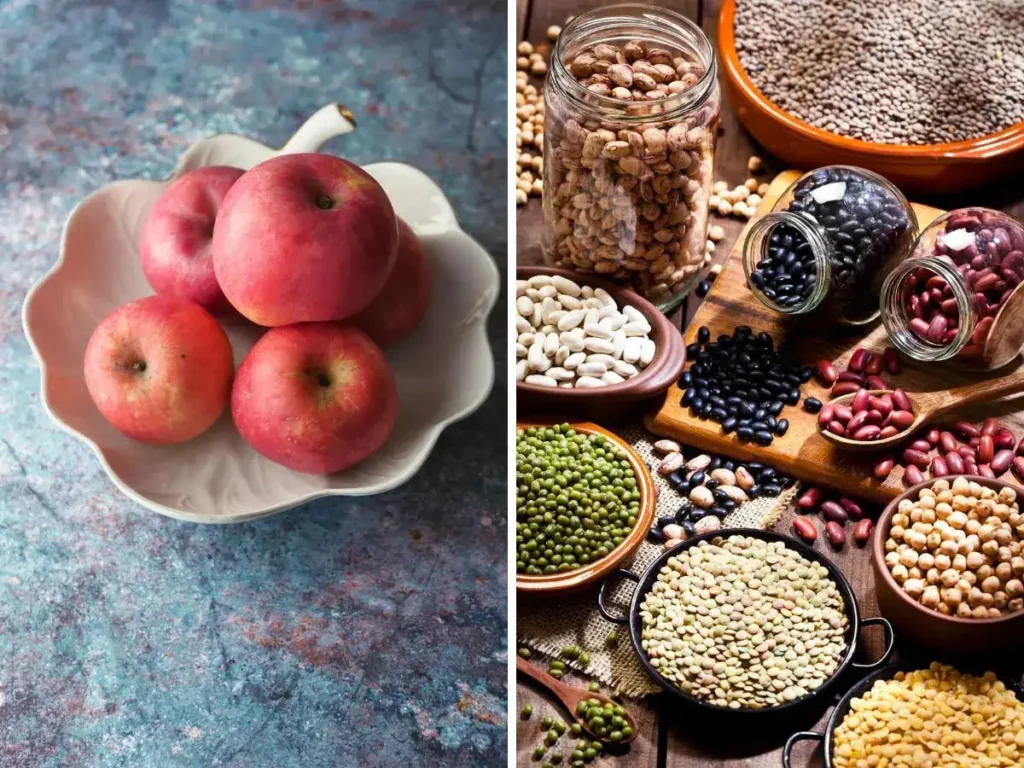
Beans, lentils, and chickpeas are excellent sources of protein and fiber. But they also contain complex carbohydrates and oligosaccharides that can cause gas formation.
Soaking and cooking them properly can help reduce their bloating effect.
3. Dairy Products
Milk, cheese, and yogurt are healthy but can cause bloating in people with lactose intolerance. When lactose is not properly digested, it leads to gas, cramps, and discomfort.
Switching to lactose-free options can help in such cases.
4. Whole Grains
Whole grains like oats, wheat, and barley are packed with fiber. While fiber is essential for digestion, excessive intake can overwhelm the gut, especially if your body is not used to it.
Gradually increasing fiber intake can reduce bloating.
5. Apples and Certain Fruits
Fruits like apples, pears, and peaches contain fructose and sorbitol, which can be difficult to digest for some people.
These sugars can ferment in the gut, leading to gas and bloating.
6. Artificial Sweeteners
Sugar substitutes such as sorbitol and xylitol are commonly found in “sugar-free” products. These compounds are not fully absorbed in the digestive system and can cause gas and bloating.
Limiting processed sugar-free foods can help improve gut comfort.
7. Carbonated Drinks
Even healthy sparkling water or soda contains carbon dioxide gas, which can get trapped in the digestive system.
This leads to a feeling of fullness and bloating, especially when consumed in large quantities.
Also read: Think Your Diet Is Healthy? These Everyday Desi Foods Could Be Raising Your Cholesterol
Why These Foods Affect Gut Health
These foods are not unhealthy, but they contain compounds that are hard to digest or ferment easily in the gut. People with sensitive digestive systems or conditions like irritable bowel syndrome (IBS) may experience more pronounced symptoms.
The key is not to eliminate these foods entirely but to consume them in moderation and understand your body’s tolerance levels.
Tips to Prevent Bloating While Eating Healthy
Eat Slowly and Mindfully
Eating too quickly can cause you to swallow air, leading to bloating. Chewing food properly helps digestion.
Balance Your Diet
Avoid consuming too many gas-producing foods in one meal. Combine them with easily digestible foods.
Stay Hydrated
Drinking enough water helps in smooth digestion and reduces bloating.
Cook Food Properly
Cooking methods like soaking, boiling, and steaming can make foods easier to digest.
Identify Personal Triggers
Each person’s digestive system is different. Keep track of foods that cause discomfort and adjust your diet accordingly.
When to See a Doctor
Occasional bloating is normal, but if it becomes frequent or severe, it may indicate an underlying issue such as food intolerance, IBS, or digestive disorders.
Consulting a healthcare professional can help identify the root cause and provide appropriate treatment.
Importance of Gut Health
Maintaining a healthy gut is essential for overall well-being. A balanced diet, regular exercise, and stress management play a key role in digestive health.
By understanding how different foods affect your body, you can make better dietary choices and avoid unnecessary discomfort.
FAQs About 7 ‘Healthy’ Foods
Can healthy foods really cause bloating
Yes, some healthy foods contain compounds that can produce gas or are difficult to digest, leading to bloating.
Should I stop eating these foods completely
No, these foods are nutritious. You should consume them in moderation and adjust based on your tolerance.
How can I reduce bloating quickly
Drinking water, walking, and avoiding gas-producing foods can help reduce bloating.
When should I worry about bloating
If bloating is frequent, severe, or accompanied by pain, consult a doctor for proper diagnosis.