





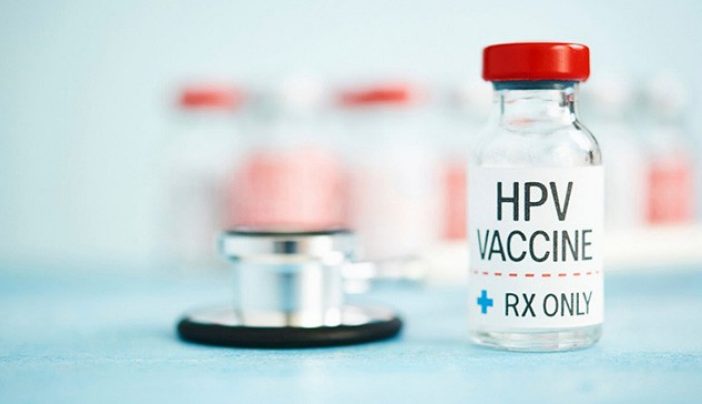
HPV Vaccine Isn’t Just for Teens: Cervical cancer remains one of the leading causes of cancer-related deaths among women in India, second only to breast cancer. As awareness around prevention grows, more adults are asking questions about the human papillomavirus (HPV) vaccine. Originally promoted primarily for adolescents, the vaccine’s benefits extend well into adulthood. Recent expert discussions emphasize that catch-up vaccination for adults can provide meaningful protection against HPV-related cancers, including cervical, anal, throat, and penile cancers.
HPV is one of the most common sexually transmitted infections worldwide, with nearly 80–90% of sexually active adults exposed to the virus at some point in their lives. Most infections are cleared naturally by the body’s immune system. However, high-risk HPV strains, particularly types 16 and 18, are strongly linked to several cancers. While vaccination drives have traditionally focused on teenagers, adults who missed their doses in adolescence are now seeking guidance on whether they should still get vaccinated and how effective it may be later in life.
Experts note that vaccination decisions for adults should consider age, prior HPV exposure, sexual activity, and overall risk profile. Adults often assume that being past the teenage years means vaccination is futile, but research and clinical experience suggest otherwise. The HPV vaccine can protect against strains not yet encountered, lowering the risk of HPV-related cancers and helping fill a critical prevention gap.
Understanding the HPV Vaccine
What Is HPV and Why It Matters
The human papillomavirus is a viral infection primarily transmitted through sexual contact. While many infections resolve naturally, persistent infections with high-risk strains can lead to cancer development. HPV has been linked to multiple cancers, including:
- Cervical cancer
- Anal cancer
- Throat and oral cancers
- Penile cancer in men
The HPV vaccine is designed to protect against the most dangerous strains and prevent the long-term consequences of infection.
Who Should Get the HPV Vaccine
Global health authorities recommend HPV vaccination for girls and boys aged 9–14, ideally before sexual activity begins. This ensures the strongest immune response and maximal long-term protection.
For adults, the vaccine is approved for individuals up to 45 years of age. Vaccination for adults aged 27–45 follows a shared decision-making approach, factoring in personal risk factors, sexual activity, and potential exposure to HPV. While vaccination is most effective prior to virus exposure, adults can still benefit significantly.
Read about: Plant-Based Foods Reduce the Burden of Cancer and Diabetes: Evidence-Based Insights
Benefits of HPV Vaccination in Adults
Protection Against Cancer
Studies show that HPV vaccines provide long-lasting protection, reducing the risk of high-grade cervical, vaginal, and vulvar neoplasia. Evidence indicates persistent antibody levels and continued protection for at least 84 months, with some studies suggesting efficacy up to 10 years post-vaccination.
Even adults who have already been sexually active may not have encountered all HPV strains covered by the vaccine, meaning vaccination can still lower their future risk of cervical, oral, anal, or penile cancers.
Importance for Men
While much attention is given to women, men are also at risk of HPV-related cancers. Catch-up vaccination is recommended for men aged 22–26, particularly for those who are immunocompromised, including individuals living with HIV. For other adult men, vaccination is not mandatory but strongly advised to reduce the risk of penile and throat cancers.
Accessibility in India
India has made significant strides in increasing HPV vaccination awareness and improving access. With the introduction of indigenous vaccines, adult immunization is becoming more affordable and accessible, allowing more adults to take proactive steps toward cancer prevention.
Limitations of Adult HPV Vaccination
While vaccination is safe up to age 45, its effectiveness decreases if a person has already been exposed to HPV strains. Adults who have multiple prior infections may gain limited benefit from vaccination. However, for most adults, the vaccine still provides protection against unencountered strains and can substantially reduce cancer risk.
Recommended Dosage
- Under age 15: Two-dose schedule
- Ages 26–45: Three-dose schedule recommended for adequate protection
Experts emphasize that adults should consult with healthcare providers to determine the most appropriate schedule based on their age and medical history.
Conclusion
The HPV vaccine is a powerful tool for cancer prevention and is not limited to adolescents. Adults who missed vaccination in their teenage years still have the opportunity to benefit from protection against high-risk HPV strains. By reducing the risk of cervical, anal, throat, and penile cancers, vaccination provides long-term health benefits that extend well into adulthood.
For adults, vaccination decisions should consider age, sexual activity, and prior exposure, with shared decision-making between patient and physician. Even for sexually active individuals, the vaccine offers meaningful protection against HPV strains not yet encountered.
Men, often overlooked in HPV vaccination campaigns, can gain significant protection from the vaccine, particularly those at higher risk or immunocompromised. Women up to age 45 can also benefit, especially in regions where cervical cancer prevalence remains high.
With increased awareness, indigenous vaccines, and government initiatives, HPV vaccination for adults is now safer, more accessible, and highly effective, reinforcing its role as a cornerstone of cancer prevention strategies in India.
Also read: COVID in Pregnancy Linked to Higher Autism, Speech, and Motor Delays: Study
FAQ: HPV Vaccine for Adults
Q1: Is it safe for adults to receive the HPV vaccine?
A: Yes. The HPV vaccine is safe for adults up to age 45. Clinical trials and long-term studies indicate minimal side effects, mostly limited to mild injection site reactions. It is a well-established preventive measure against multiple cancer-causing HPV strains.
Q2: Can adults who are already sexually active benefit from the HPV vaccine?
A: Absolutely. Even if an adult has been exposed to some HPV strains, the vaccine protects against strains they have not yet encountered. This reduces the risk of HPV-related cancers in the future.
Q3: How effective is the HPV vaccine in adults compared to teenagers?
A: While the vaccine produces the strongest immune response in adolescents, adults still receive substantial protection. Efficacy is higher for individuals who have not been previously exposed to high-risk HPV strains.
Q4: What is the recommended dosage for adults?
A: Adults aged 27–45 are advised to receive a three-dose schedule to ensure adequate immunity. Individuals vaccinated before age 15 typically require two doses. Healthcare providers can customize schedules based on age and medical history.
Q5: Should men get the HPV vaccine?
A: Yes. Men are at risk of HPV-related cancers, including penile and throat cancers. Catch-up vaccination is recommended for men aged 22–26, particularly those who are immunocompromised, but adults beyond this age can still benefit from vaccination.