





Plant-Based Protein: Plant-based protein has moved far beyond being a niche trend. As we move deeper into an era focused on health, sustainability, and conscious eating, plant-forward diets are becoming mainstream across the globe. According to the International Food Information Council’s Food and Health Survey, a growing percentage of people are actively reducing animal products and choosing whole, plant-based foods for their daily nutrition.
What’s driving this shift is not just ethics or environmental concern, but solid science. From beans and lentils to tofu, quinoa, and modern plant-based protein powders, plant proteins now offer variety, convenience, and nutritional power. With new products entering the market every month, consumers have more options than ever before to meet protein needs without relying on animal sources.
If you’re considering increasing your intake of plant-based protein to support muscle growth, weight management, heart health, or environmental sustainability, understanding how these proteins compare, how they work in the body, and how to choose the best sources is essential. This guide breaks down the science, benefits, concerns, and best choices when it comes to plant-based protein.
What Is Plant-Based Protein?
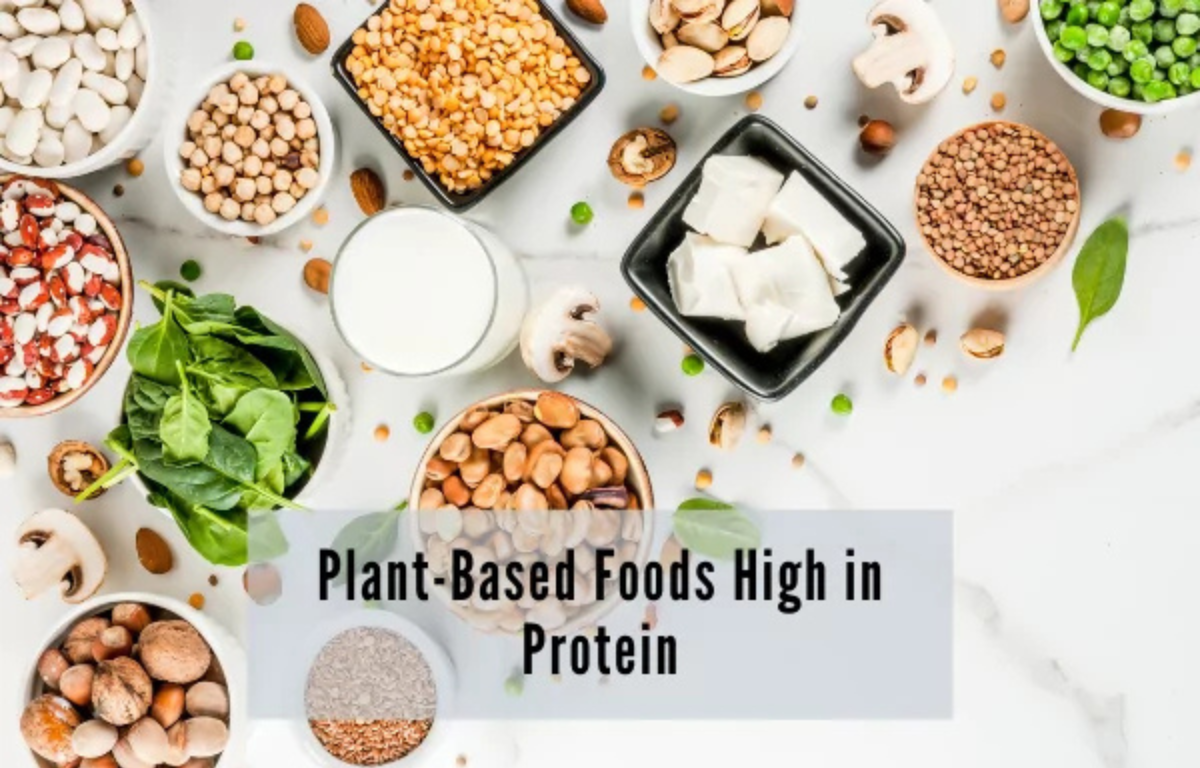
Plant-based protein refers to protein derived from plant sources such as legumes, grains, nuts, seeds, and soy products. Unlike animal protein, these foods often provide additional nutrients like fiber, antioxidants, and phytonutrients that support overall health.
Common plant-based protein sources include:
- Beans and lentils
- Chickpeas and edamame
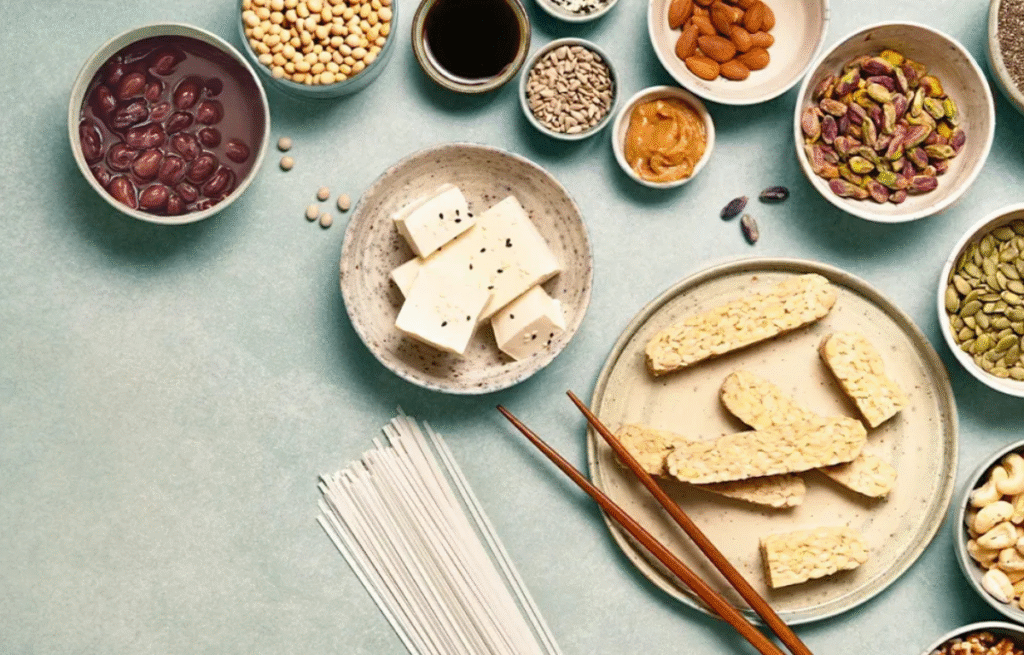
- Tofu, tempeh, and seitan
- Quinoa and oats
- Nuts and nut butters
- Plant-based protein powders
Nutritional Comparison of Popular Plant-Based Proteins
Plant-based proteins vary widely in calories, protein content, fiber, and fat. Some are whole foods, while others are processed supplements designed for convenience.
Generally:
- Legumes provide moderate protein with high fiber
- Soy products offer high protein with low carbohydrates
- Whole grains deliver protein plus sustained energy
- Protein powders offer concentrated protein with minimal volume
Choosing the right option depends on dietary goals, digestion, and lifestyle.
The Science Behind Plant-Based Protein
Is Plant-Based Protein as Effective as Animal Protein?
One of the most common concerns about plant-based diets is protein quality. Animal proteins are often labeled as “complete” because they contain all nine essential amino acids. Many plant proteins lack one or more essential amino acids, which historically led to concerns about deficiency.
However, modern research shows that a varied, balanced plant-based diet easily provides all essential amino acids. A 2019 study on vegetarian and vegan diets found that participants consumed more than adequate protein and amino acids without deliberate food pairing.
Do You Need to Combine Proteins?
While classic combinations like rice and beans do complement amino acid profiles, experts now agree that precise food pairing at each meal is unnecessary. Consuming diverse plant foods throughout the day is sufficient.
Vitamin B12: The One Nutrient to Watch
Vitamin B12 is essential for brain health and red blood cell production. It is naturally found in animal products and not reliably present in plant foods.
Those following a fully vegan diet should:
- Take a vitamin B12 supplement
- Consume fortified plant milks or cereals
This ensures optimal neurological and metabolic health.
Health Benefits of Plant-Based Protein
Choosing plant protein over animal protein is associated with numerous health benefits:
- Improved weight management
- Lower risk of type 2 diabetes
- Reduced heart disease risk
- Improved digestion due to fiber
- Lower inflammation levels
- Increased longevity
Studies consistently show that plant-based diets support metabolic health and overall wellness.
Also Read: The Mental Health Burden of Atopic Dermatitis: Why the Skin-Brain Connection Matters
Potential Downsides of Plant-Based Protein
Highly Processed Plant Foods
Not all plant-based foods are created equal. Some meat substitutes and vegan cheeses are highly processed and may contain:
- High sodium
- Saturated fats
- Additives
These foods are best consumed in moderation.
Food Sensitivities and Digestive Issues
- Soy and nuts are common allergens
- High-fiber foods may cause bloating in sensitive individuals
- People with IBS may need careful selection
Whole foods like tofu and soy milk are often gentler on digestion.
Soy Protein: Separating Myth from Science
Soy has long been misunderstood, particularly regarding hormones and cancer risk. Current research overwhelmingly supports soy’s safety.
- Large-scale studies show reduced breast cancer risk with soy intake
- The American Cancer Society confirms soy is safe
- Soy does not disrupt hormone balance when consumed in normal amounts
Soy foods like tofu and edamame are nutritious and beneficial.
Environmental Benefits of Plant-Based Protein
Reduced Carbon Emissions
Shifting toward plant-based diets significantly reduces greenhouse gas emissions. Research shows:
- Vegan diets can cut emissions by 50%
- Vegetarian diets reduce emissions by 35%
Water Conservation
Animal protein production requires far more water than plant protein. Beef, for example, uses six times more water than legumes.
Global Climate Support
The United Nations has officially encouraged reducing animal protein consumption as a climate change mitigation strategy
Also Read: Eggnog vs. Hot Cocoa: Which Is Better for Blood Sugar Management?
Best Plant-Based Protein Sources
Beans and Lentils
- High protein and fiber
- Affordable and versatile
- Support gut and heart health
Tofu and Tempeh
- High-quality protein
- Low in carbohydrates
- Extremely versatile in cooking
Nuts and Seeds
- Protein plus healthy fats
- Convenient snacks
- High satiety
Plant-Based Protein Powders
- Useful for athletes and busy lifestyles
- Easy digestion for lactose-intolerant individuals
- Ideal for smoothies and post-workout recovery
Plant-Based Protein Powder vs Whey
Plant-based protein powder:
- Dairy-free and vegan
- Easier digestion for many
- Environmentally friendly
Whey protein:
- Complete amino acid profile
- Higher protein per scoop
Both are effective; the choice depends on dietary preferences and tolerance.
Plant-Based Protein Conclusion
Plant-based protein is no longer a compromise—it is a powerful, science-backed nutritional choice. With proper planning, it can fully meet protein needs while delivering added health benefits.
Whole plant proteins provide fiber, antioxidants, and essential nutrients absent in animal protein. These compounds support digestion, heart health, and long-term disease prevention.
While processed plant foods should be consumed mindfully, whole plant protein sources are among the most nutrient-dense foods available.
The environmental advantages of plant-based protein further strengthen its appeal, helping reduce carbon emissions and conserve water resources.
Whether for health, sustainability, or ethical reasons, embracing plant-based protein is a smart and future-focused decision.
Plant-Based Protein FAQ
1. Is plant-based protein enough for muscle building?
Yes. When consumed in adequate amounts and combined with resistance training, plant-based protein fully supports muscle growth.
2. Do plant-based proteins lack essential amino acids?
Some do individually, but a varied diet provides all essential amino acids without special food combining.
3. Are plant-based protein powders healthy?
Yes, especially minimally processed ones. They are effective, convenient, and often easier to digest than dairy-based powders.
4. Can plant-based protein help with weight loss?
Absolutely. High fiber and protein content increase fullness and reduce overall calorie intake.
5. Who should be cautious with plant-based protein?
People with soy, nut allergies, digestive conditions, or low sodium tolerance should read labels and choose source carefully.
.