
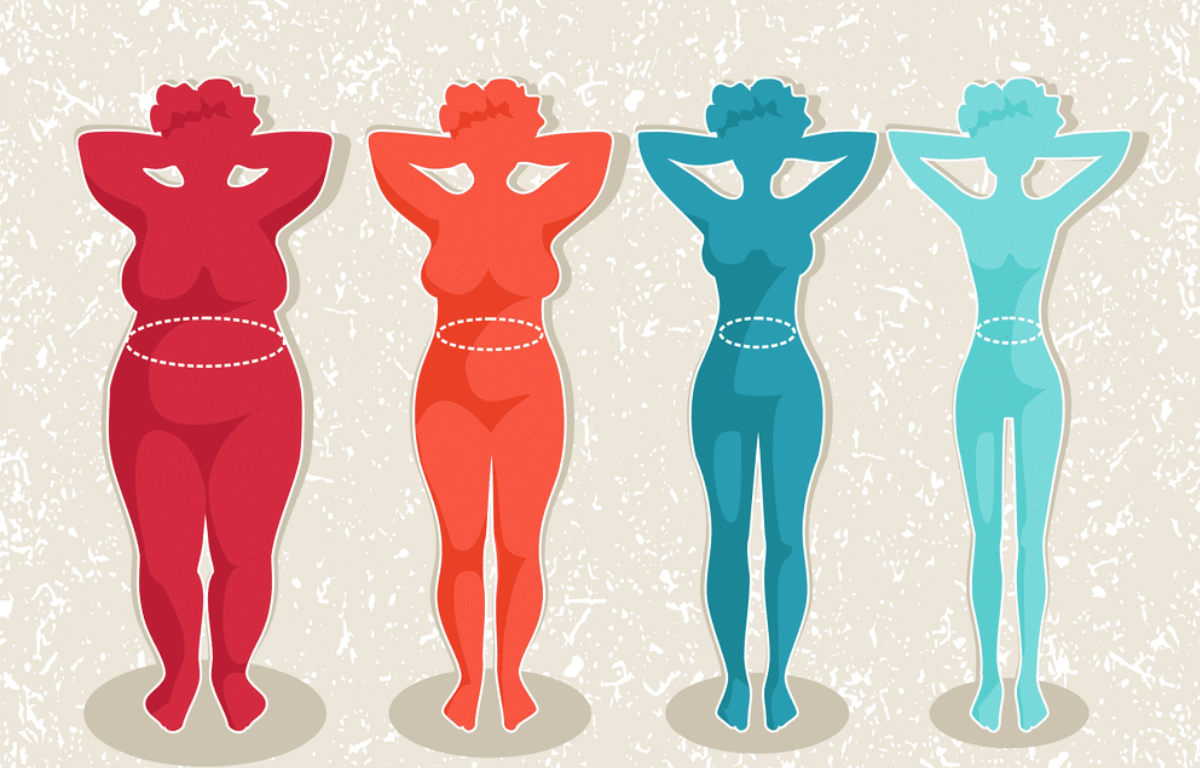
Average Waist Size for Women?: Every body is different, and no two people are built exactly the same. Body shape, height, weight, and waist size vary widely from person to person, which is why a single measurement can never fully define health. While charts and averages can provide context, they don’t tell the whole story and they certainly don’t determine your worth or overall well-being.
That said, waist size can be a useful indicator when viewed correctly. It may help identify potential health risks, particularly those linked to excess abdominal fat, such as heart disease, type 2 diabetes, and certain metabolic conditions. The key is understanding what waist measurements mean, how they’re used, and when they should prompt you to take action.
Here’s a detailed look at the average waist size for women, how it changes with age, what health experts consider “healthy,” and why these numbers should be treated as guideposts not judgments.
How Waist Size Varies by Age
| Age Group | Average Waist Size (inches) |
|---|---|
| 20 to 30 | 37.1 |
| 40 to 59 | 39.4 |
| 60 and over | 39.9 |
Average Waist Size for U.S. Teen Girls
Waist size data for adolescents and teenagers shows a different pattern. For girls aged 13 to 19, the average waist size is 32.6 inches, which typically corresponds to a medium or large pant size, or around a size 12.
| Age | Average Waist Size (inches) |
|---|---|
| 13 | 30.3 |
| 17 | 33.4 |
| 18 | 33.3 |
| 19 | 34.1 |
What Is Considered a “Healthy” Waist Size?

Waist Circumference Risk Levels (Women)
| Waist Measurement | Risk Level |
|---|---|
| Greater than 31.5 inches | Increased risk |
| Greater than 34.6 inches | Substantially increased risk |
These thresholds are associated with higher chances of developing conditions such as heart disease and diabetes. Still, they are not definitive predictors—they simply flag potential areas of concern.
Understanding the Waist-to-Height Ratio
Many healthcare professionals consider the waist-to-height ratio to be a more useful tool than waist size alone. This ratio compares your waist circumference to your height and may help identify health risks earlier than traditional measures like body mass index (BMI).
How to Calculate It
- Divide your waist measurement (in inches) by your height (in inches).
- Multiply the result by 100.
Waist-to-Height Ratio Risk Categories
| Ratio | Risk Level |
|---|---|
| Less than 42% | Underweight |
| 42% to 48% | Healthy weight |
| 49% to 57% | Overweight |
| Greater than 58% | Obese |
A Note About Waist Size and Health
It’s important to remember that your health is not determined by a single measurement. Waist size, weight, BMI, and ratios are tools not verdicts.
Well-being is influenced by many interconnected factors, including:
- Physical activity
- Nutrition
- Mental and emotional health
- Sleep quality
- Genetics
Numbers are meant to guide decisions, not dictate self-worth or behavior. Many people with larger waist sizes are metabolically healthy, while others with smaller measurements may still face health challenges. Comparing yourself to models, celebrities, or media portrayals can create unrealistic and unhealthy expectations. What’s “right” for someone else may not be right for you and that’s completely okay.
When It May Be Time to Talk to a Professional
While no single number defines health, waist measurements can act as an early signal that it may be time to check in with a professional especially if combined with other risk factors.
A Healthcare Provider
They can track indicators such as blood pressure, cholesterol, and blood sugar over time. Improvements in these markers often occur before visible changes in body measurements.
A Personal Trainer
A qualified trainer can help you establish a safe, structured exercise routine tailored to your goals and physical needs especially if you’re new to regular exercise.
A Registered Dietitian
Dietitians can design personalised eating plans, estimate daily calorie needs, and address nutrition concerns such as hydration and supplementation.
Average Waist Size for Women Conclusion
The average waist size for an American woman is 38.7 inches, with an average height of 63.6 inches and an average weight of 170 pounds. These figures provide useful context but they are not predictors of individual health. Health exists across a wide range of body shapes and sizes. No single measurement, including waist circumference, can determine how healthy a person truly is.