
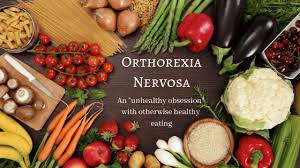
Orthorexia: During National Eating Disorders Awareness Week, conversations around eating disorders often focus on well-known conditions such as anorexia nervosa and bulimia nervosa. However, there is another pattern of disordered eating that is gaining increasing attention from mental health professionals and researchers orthorexia. While not yet an official diagnosis in major diagnostic manuals, orthorexia is widely recognized as a serious and potentially harmful condition that can significantly affect both physical health and quality of life.
What Is Orthorexia?
Orthorexia is best described as an unhealthy obsession with eating foods that are perceived as healthy, pure, or clean. According to Kasey Goodpaster, a psychologist at Cleveland Clinic, orthorexia often starts innocently but can gradually take over a person’s thoughts and behaviors. “Orthorexia is an unhealthy obsession or preoccupation with healthy or clean eating. It may start off with good intentions of feeling better or healthier, but over time the food rules become more rigid, restrictive, and distressing,” she explains.
Also read: Toyota Avanza 2026
How Orthorexia Affects Physical Health
Although someone with orthorexia may appear physically healthy on the surface, the long-term effects can be serious. Dr. Goodpaster notes that eliminating entire food groups increases the risk of nutrient deficiencies, which can lead to fatigue, weakened immunity, hormonal imbalances, and digestive issues.
In more severe cases, prolonged restriction may contribute to bone loss, anemia, and cardiovascular concerns. Even if a person is not underweight, the body can still suffer from inadequate nutrition when dietary variety is severely limited.
The Social and Emotional Impact
One of the most damaging aspects of orthorexia is its impact on social and emotional well-being. As food rules become stricter, everyday experiences can feel overwhelming. Celebrations, travel, holidays, and shared meals may be avoided altogether. “In addition to the physical risks, orthorexic behaviors can really shrink somebody’s life socially,” Dr. Goodpaster explains. “Relationships, celebrations, and even simple activities often revolve around food rules, which can lead to isolation.”
Why Orthorexia Can Be Hard to Recognize
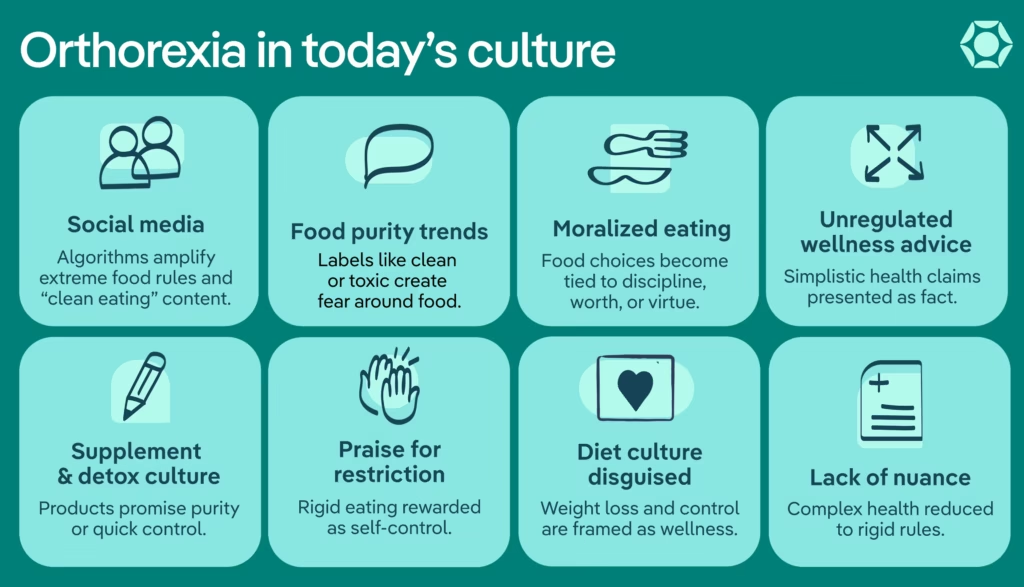
Orthorexia is particularly challenging to identify because society often praises strict healthy eating. Clean eating trends, wellness influencers, and diet culture can unintentionally reinforce extreme behaviors. Friends and family may initially admire someone’s “discipline” or “commitment,” not realizing that the behavior is becoming harmful.
Read about: Beat Exercises: This Is What Happens If You Do Squats Every Day
When to Seek Help
If you notice signs of orthorexia in yourself or a loved one, it’s important not to ignore them. Warning signs include increasing anxiety around food, declining social engagement, physical symptoms linked to poor nutrition, and distress when food rules are broken.
Dr. Goodpaster emphasizes that the best first step is to consult a physician or mental health professional. Early support can help prevent long-term health consequences and restore a healthier relationship with food.