
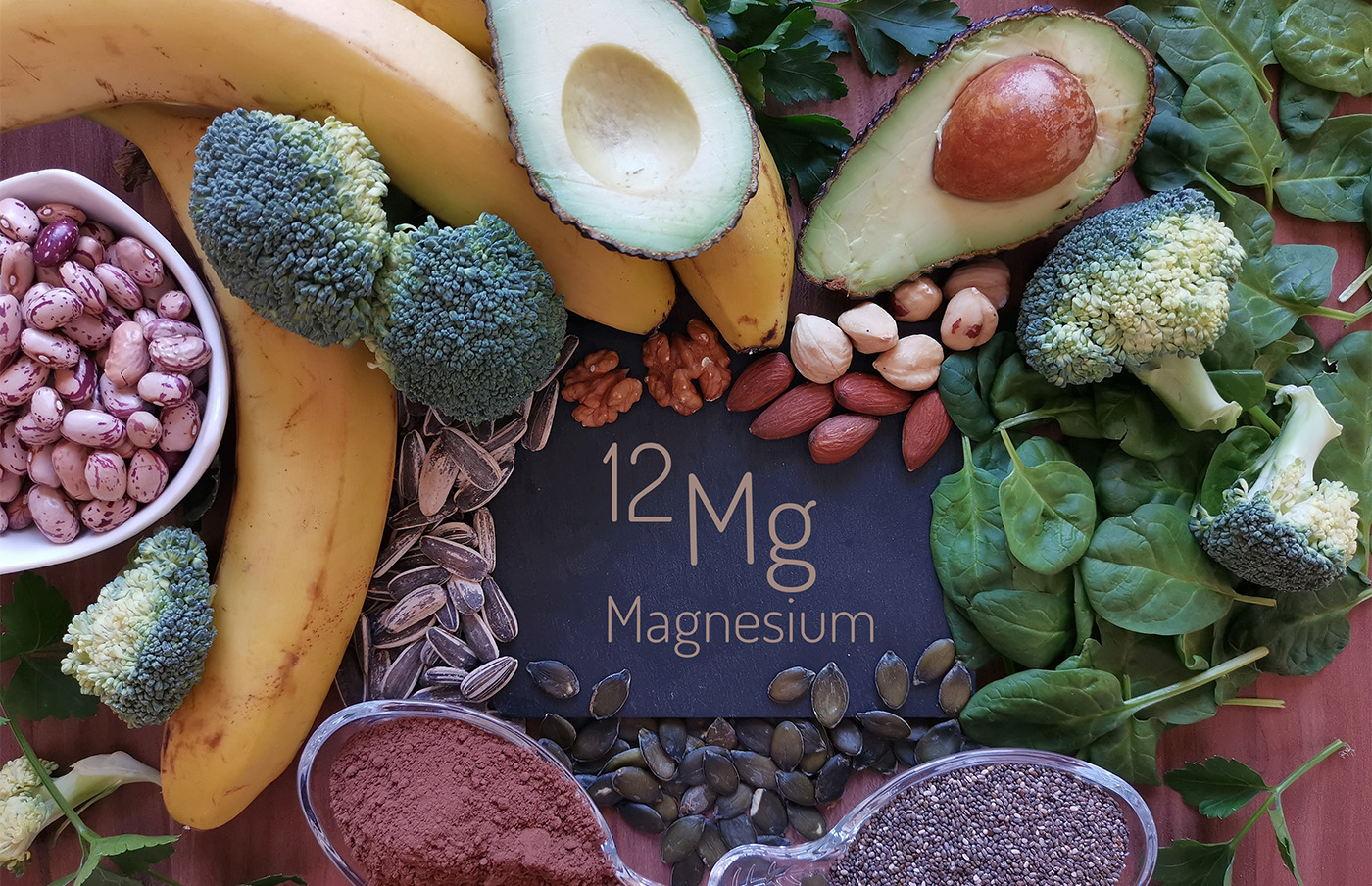
What’s the Hype Around Magnesium: Magnesium has quietly become one of the most talked-about nutrients in recent years. From social media wellness trends to doctor recommendations, this essential mineral is being praised for benefits ranging from heart health and blood sugar control to stress reduction and better sleep. But with all the hype surrounding magnesium, an important question remains: do most people really need magnesium supplements, or is food enough?
To separate fact from fad, preventive cardiology dietitian Michelle Routhenstein and women’s health specialist Sheryl Ross weigh in on what magnesium actually does in the body, what the research shows, and when supplements may or may not be appropriate.
Why Magnesium Is So Important
Magnesium is an essential mineral, meaning the body cannot produce it on its own. We must obtain it from food or supplements. According to Routhenstein, magnesium plays a role in more than 300 biochemical reactions in the body. “Magnesium helps your body turn food into energy, supports healthy muscles and nerves, keeps the heart rhythm stable, regulates blood sugar, and helps maintain healthy blood pressure.
Also raed: Harley-Davidson Fat Boy 2026 Revealed
Does the Science Support the Magnesium Hype?
There is solid scientific interest behind magnesium’s growing reputation. Studies have linked magnesium-rich diets to a lower risk of stroke, type 2 diabetes, osteoporosis, and heart disease. Some research also suggests magnesium supplementation may help manage conditions such as migraines, restless leg syndrome, and even attention deficit hyperactivity disorder (ADHD).
Best Natural Food Sources of Magnesium

For most people, diet is the best and safest way to maintain adequate magnesium levels. Routhenstein recommends focusing on plant-based, minimally processed foods.
Importantly, diagnosing magnesium deficiency isn’t straightforward. “Blood magnesium levels don’t always reflect total body magnesium,” Routhenstein explains, since most magnesium is stored in bones and soft tissues. Proper diagnosis often requires a physician’s evaluation and sometimes specialized testing.
Read about: Orthorexia: When Healthy Eating Becomes Harmful
Should You Take Magnesium Supplements?
With supplements widely available, it may seem tempting to self-prescribe magnesium. Experts advise against a casual approach. For healthy adults with normal kidney function, 100–350 mg per day is generally considered safe. However, people with kidney disease should only supplement under medical supervision, as excess magnesium can accumulate and cause harm.
FAQs Of What’s the Hype Around Magnesium
1. What does magnesium do in the body?
Magnesium supports energy production, muscle and nerve function, heart rhythm, blood sugar control, and blood pressure regulation. It is involved in more than 300 biochemical reactions.
2. Can I get enough magnesium from food alone?
Yes, most people can meet their needs through magnesium-rich foods like leafy greens, nuts, seeds, legumes, and whole grains. A balanced diet is usually sufficient without supplements.
3. Are magnesium supplements safe for everyone?
Not always. While moderate doses are generally safe for healthy adults, people with kidney disease or certain medical conditions should only take supplements under medical supervision to avoid complications.