
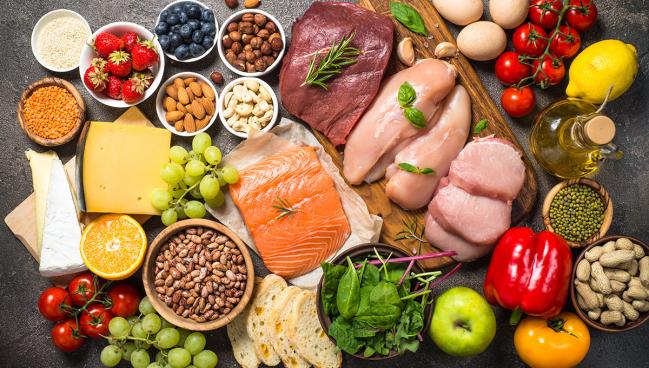
Understanding the New Dietary Guidelines: The new dietary guidelines 2026 have sparked fresh discussions about what truly defines a balanced and healthy diet. While many of the core recommendations remain consistent such as increasing fruit and vegetable intake, choosing whole grains, and reducing sugary drinks there are some notable updates that have caught public attention. These changes aim to address modern nutritional gaps, protein needs, and evolving food patterns.
One of the most talked-about updates is the stronger emphasis on higher protein intake and the inclusion of foods like butter, beef tallow, red meat, and whole milk in moderation. At the same time, the guidelines continue to recommend limiting saturated fats, which are commonly found in these foods. This balance between traditional healthy eating advice and updated protein recommendations forms the foundation of the latest guidance. In this article, we break down the key highlights and provide 10 practical tips for healthier eating.
Highlights of the New Dietary Guidelines
| Topic | Recommendation |
|---|---|
| Fruits and Vegetables | Increase daily intake |
| Whole Grains | Choose over refined grains |
| Sugary Drinks | Limit or avoid |
| Processed Foods | Reduce foods high in sodium and added sugar |
| Protein | Increase overall intake |
| Red Meat & Whole Milk | Allowed in moderation |
| Saturated Fats | Limit consumption |
| Healthy Fats | Prefer unsaturated fats |
What Has Stayed the Same
Focus on Fruits and Vegetables
The updated dietary guidelines continue to recommend eating plenty of fruits and vegetables daily. These foods are rich in vitamins, minerals, fiber, and antioxidants. Including a variety of colorful produce supports immunity, digestion, and heart health.
Also read: 2026 Brixton Crossfire 500 Storr Launched in Malaysia at RM29,888, India Launch Expected Soon
Choose Whole Grains
Replacing refined grains with whole grains remains a key recommendation. Whole grains such as oats, brown rice, and whole wheat contain more fiber and nutrients, helping maintain stable blood sugar levels and better digestion.
Limit Sugary Drinks and Processed Foods
Reducing sugary beverages and highly processed foods high in sodium and added sugar is still strongly advised. Excess sugar and salt intake are linked to obesity, high blood pressure, and diabetes.
What’s New in the Guidelines
Higher Protein Intake
One significant update is the emphasis on increased protein consumption. Protein supports muscle maintenance, metabolism, and overall health. The guidelines recognize that many people may not be meeting optimal protein requirements.
Inclusion of Traditional Fats
The updated guidance allows moderate inclusion of foods like butter, beef tallow, red meat, and whole milk. These foods provide essential nutrients such as iron, vitamin B12, and fat-soluble vitamins. However, there is an important condition: saturated fats found in these foods should still be limited. The recommendation suggests balancing them with healthier fat sources like nuts, seeds, olive oil, and fatty fish.

10 Tips for Healthier Eating
1. Fill Half Your Plate with Vegetables
Aim to include vegetables in every meal to increase fiber and micronutrient intake.
2. Add Lean Protein to Every Meal
Incorporate eggs, legumes, fish, poultry, or moderate portions of red meat to meet daily protein needs.
3. Balance Saturated and Unsaturated Fats
While butter and whole milk are allowed, combine them with healthy fats like olive oil and avocados.
4. Switch to Whole Grains
Replace white bread and white rice with whole grain alternatives.
5. Cut Back on Sugary Drinks
Choose water, herbal tea, or unsweetened beverages instead of sodas.
6. Read Nutrition Labels
Check for hidden sugars and sodium in packaged foods.
7. Control Portion Sizes
Even healthy foods should be consumed in appropriate portions.
8. Plan Balanced Meals
Combine carbohydrates, protein, and healthy fats for steady energy.
9. Include Plant-Based Proteins
Beans, lentils, and tofu are excellent protein sources with lower saturated fat.
10. Practice Moderation, Not Elimination
The new dietary guidelines emphasize balance rather than strict restriction.
Understanding Saturated Fats and Protein Balance
The updated recommendations highlight an important concept: quality and quantity matter. While protein intake is encouraged, excessive saturated fat consumption can increase cardiovascular risk. Choosing lean cuts of meat, trimming visible fat, and combining animal protein with plant sources can help maintain a balanced approach.
Raed about: What’s the Hype Around Magnesium — and Should You Take Supplements?
FAQs About Understanding the New Dietary Guidelines
Q1: Do the new dietary guidelines allow red meat?
Yes, red meat is allowed in moderation, but saturated fat intake should be limited.
Q2: Why is protein emphasized in the new guidelines?
Protein supports muscle health, metabolism, and overall body function, and many people may need slightly higher intake.
Q3: Should I completely avoid saturated fats?
No, but you should limit saturated fats and balance them with healthier unsaturated fat sources.
Q4: Are sugary drinks still restricted?
Yes, the guidelines strongly recommend limiting sugary beverages and highly processed foods.