
Push-Up Modifications: Push-ups have long been considered one of the most effective bodyweight exercises for building upper body strength, core stability, and overall fitness. Recently, push-ups gained renewed attention through viral fitness challenges on social media and a high-intensity challenge launched in August by U.S. Secretary of Defense Pete Hegseth and U.S. Secretary of Health and Human Services Robert F. Kennedy Jr. The challenge encouraged participants to complete 100 push-ups and 50 pull-ups in under 10 minutes, sparking conversations about strength training and physical fitness.
While such intense goals may not be suitable for everyone, fitness professionals agree that push-ups remain one of the most beneficial exercises for people at any fitness level. According to orthopedic surgeon Dr. John Hinson, it’s difficult to find another exercise that engages as many muscle groups simultaneously. However, not everyone can perform a standard push-up due to limited strength, joint discomfort, or lack of experience. Fortunately, experts say simple modifications can make push-ups accessible while still delivering excellent results.
Highlights: Push-Up Modifications
| Topic | Details |
|---|---|
| Exercise Type | Bodyweight strength training |
| Primary Muscles | Chest, shoulders, triceps, core |
| Best Modification | Incline push-up |
| Difficulty Level | Beginner to advanced |
| Benefits | Builds strength, improves posture, enhances stability |
| Recommended For | Beginners, seniors, people recovering from injury |
Why Push-Ups Are One of the Best Exercises
Push-ups are a compound exercise, meaning they work multiple muscle groups at once. Unlike isolated exercises that focus on a single muscle, push-ups activate the chest (pectorals), shoulders (deltoids), triceps, core muscles, and even parts of the back.
Because push-ups rely only on body weight, they are also highly accessible and require no gym equipment. Regular push-up practice can help improve:
- Upper body strength
- Core stability
- Posture and balance
- Functional fitness for daily activities
Experts also note that push-ups train the body in a natural movement pattern, making them useful for real-life tasks such as pushing objects or getting up from the ground.
Also read: BMW M2 M Performance Track Kit Revealed
The Best Push-Up Modification According to Fitness Experts
Fitness experts widely recommend the incline push-up as the best modification for beginners or people struggling with standard push-ups.
In this variation, your hands are placed on an elevated surface such as a bench, sturdy chair, step, or wall instead of the floor. This reduces the amount of body weight you must push, making the exercise easier while still engaging the same muscles.
How to Perform an Incline Push-Up
- Place your hands on a stable elevated surface like a bench or table.
- Step your feet back so your body forms a straight line from head to heels.
- Keep your core tight and back flat.
- Bend your elbows to slowly lower your chest toward the surface.
- Push back up until your arms are straight.
Perform 8–12 repetitions per set, gradually increasing as your strength improves.
Other Effective Push-Up Modifications
Although incline push-ups are the most widely recommended starting point, experts suggest several other modifications depending on your fitness level.
Knee Push-Ups
This is one of the most common beginner variations. Instead of keeping your legs straight, you rest your knees on the floor while performing the push-up.
Benefits include:
- Reduced body weight resistance
- Easier for beginners
- Helps build foundational strength
However, trainers note that knee push-ups can sometimes reduce core engagement compared to incline push-ups.
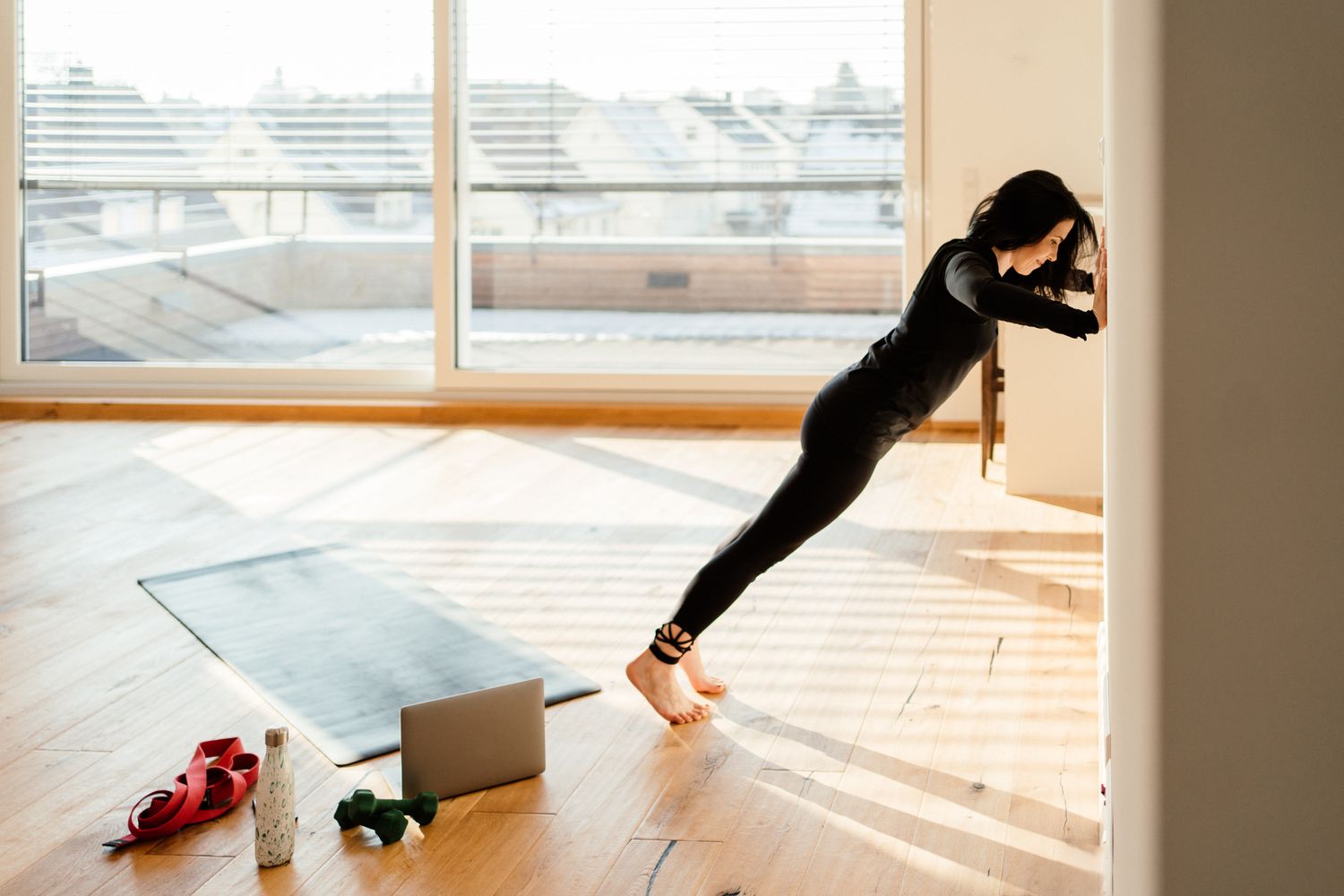
Wall Push-Ups
Wall push-ups are the easiest variation and are often recommended for complete beginners, seniors, or people recovering from injuries.
To perform this exercise:
- Stand facing a wall
- Place your hands shoulder-width apart on the wall
- Bend your elbows to move toward the wall
- Push back to the starting position
While the resistance is low, wall push-ups help develop correct form and arm strength.
Negative Push-Ups
Negative push-ups focus only on the lowering phase of the movement.
Steps:
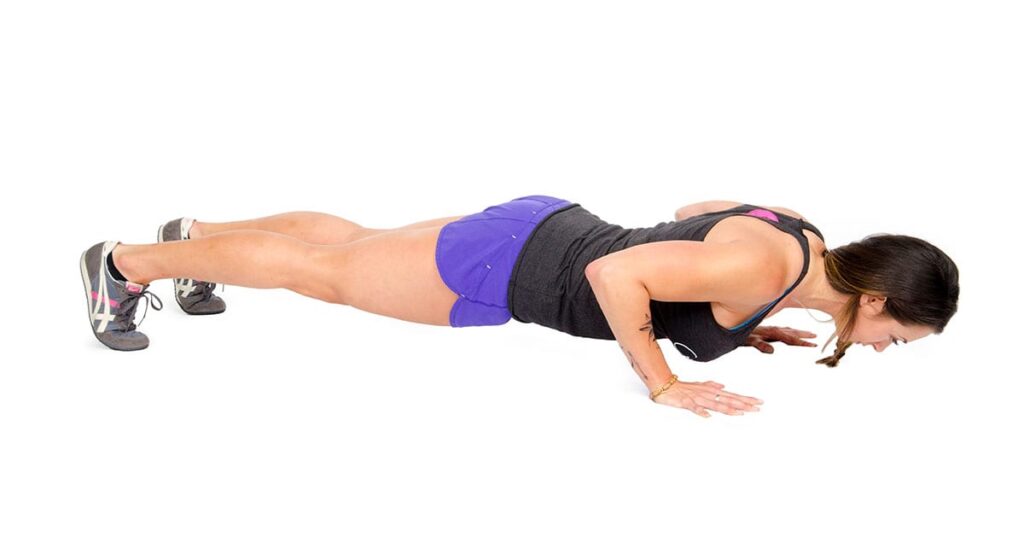
- Start in a full push-up position.
- Slowly lower your body to the ground.
- Reset by placing your knees down or pushing back up.
This method helps build strength quickly because muscles work harder during the lowering phase.
Common Push-Up Mistakes to Avoid
Even modified push-ups require proper technique to avoid injuries and maximize results.
Some common mistakes include:
Letting the hips sag
This can strain the lower back. Always keep your body in a straight line.
Flaring elbows too wide
Keep elbows at about a 45-degree angle to protect your shoulders.
Incomplete range of motion
Lower your chest as much as possible while maintaining proper form.
Rushing through repetitions
Slow, controlled movements help build strength more effectively.
How to Progress to a Standard Push-Up
Once you feel comfortable performing modified push-ups, you can gradually increase the challenge.
A simple progression plan looks like this:
- Wall push-ups
- Incline push-ups
- Knee push-ups
- Standard push-ups
- Decline or advanced push-ups
As strength improves, slowly reduce the incline height or increase repetitions.
Consistency is key. Experts recommend performing push-ups two to three times per week as part of a balanced strength training routine.
Read About: Understanding the New Dietary Guidelines: 10 Expert Tips for Healthier Eating in 2026
FAQs About Push-Up Modifications
1. What is the easiest push-up variation for beginners?
Wall push-ups are generally the easiest because they place minimal body weight on the arms and shoulders.
2. Are modified push-ups as effective as regular push-ups?
Yes. Modified push-ups still work the chest, shoulders, triceps, and core, especially when performed with proper form.