
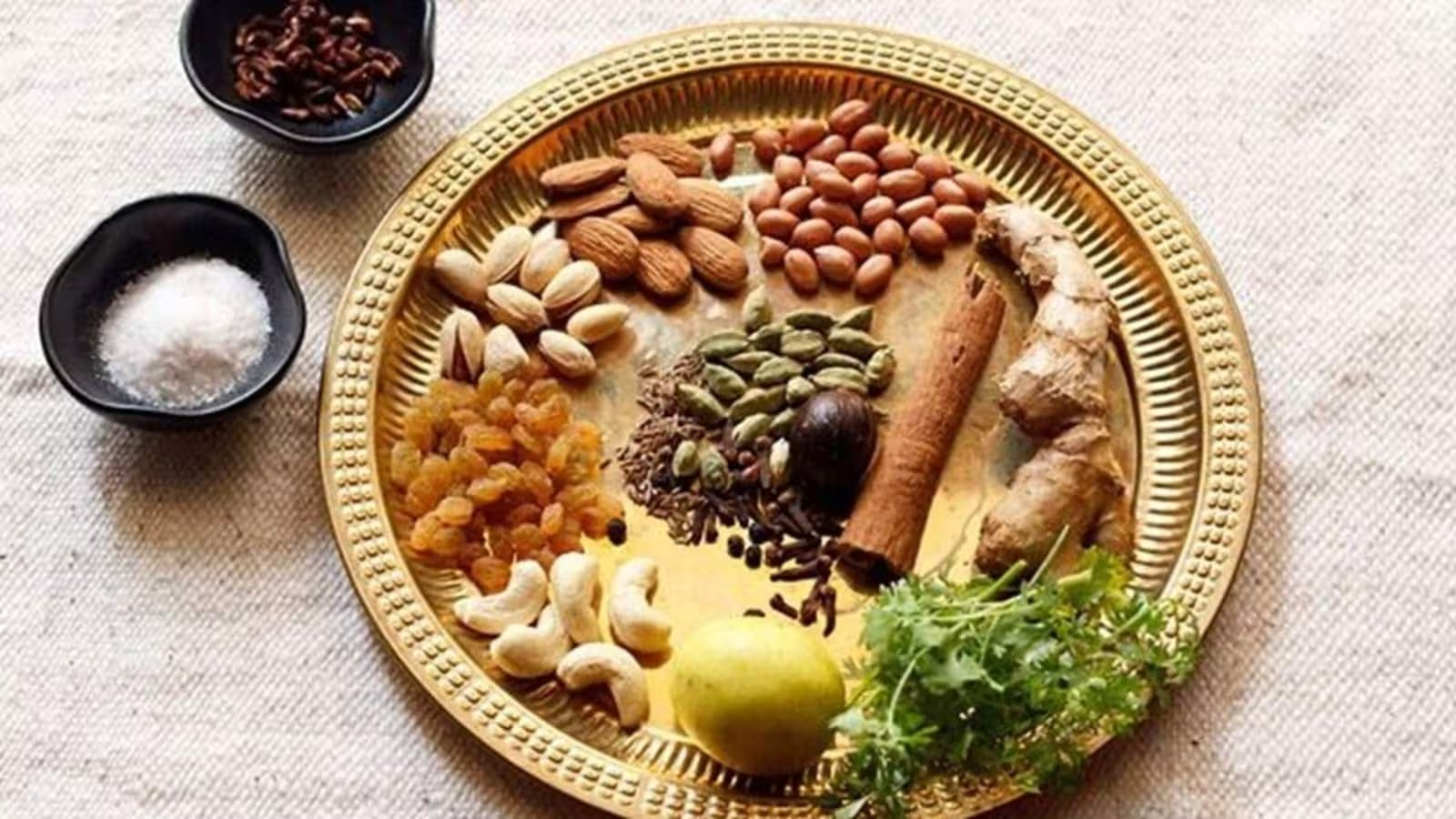
Navratri is a time of devotion, discipline, and mindful eating. During these nine days, many people follow a fasting diet (vrat ka khana) that includes specific ingredients like sabudana, kuttu atta, singhara flour, fruits, and dairy products. While these foods are considered suitable for fasting, they can sometimes be high in calories if not prepared carefully. This is why understanding healthy Navratri fasting food choices becomes important.
Many traditional fasting recipes are deep-fried or loaded with sugar, which can lead to hidden calories and weight gain instead of detoxification. By making a few smart food swaps, you can enjoy your fast while maintaining your health and energy levels. This article explores practical ways to make your Navratri diet healthier without compromising on taste.
Navratri Fasting Foods Overview
Here is a quick summary of healthy fasting strategies:
| Aspect | Details |
|---|---|
| Focus | Healthy fasting with balanced nutrition |
| Common Foods | Sabudana, kuttu, singhara, fruits, milk |
| Key Concern | Hidden calories from fried and sugary foods |
| Smart Approach | Use baked, roasted, and low-fat options |
| Goal | Maintain energy and avoid weight gain |
Why Hidden Calories Are a Concern During Navratri
During Navratri, people often consume foods like sabudana khichdi, fried pakoras, and sweets. While these are allowed during fasting, they can be rich in carbohydrates, fats, and sugars. For example, sabudana is high in starch, and when deep-fried or cooked with excess oil, it becomes calorie-dense. Similarly, vrat-friendly sweets made with sugar and ghee can quickly increase your daily calorie intake. This can lead to weight gain, sluggishness, and energy crashes. Being aware of these hidden calories helps you make better choices and maintain a balanced fasting diet.
Smart Swaps for Healthy Navratri Fasting
Making small changes in your cooking and food choices can make a big difference.
Replace Deep-Fried Foods with Roasted or Baked Options
Instead of deep-frying items like sabudana vada or kuttu puri, opt for roasted or baked versions. This reduces oil consumption significantly while keeping the taste intact. You can also use an air fryer to prepare crispy snacks with minimal oil, making your fasting meals healthier.
Choose Low-Fat Dairy Products
Dairy products like milk, curd, and paneer are commonly consumed during Navratri. Switching to low-fat milk and paneer can help reduce calorie intake without compromising nutrition. Curd is especially beneficial as it aids digestion and keeps you hydrated.
Also read: Farming the Gut: Why Traditional Diets Work Better Than Standard Iron Supplements
Use Natural Sweeteners Instead of Sugar
Many vrat recipes include sugar, which adds unnecessary calories. Replace sugar with natural sweeteners like jaggery, dates, or honey in moderate quantities. These alternatives not only reduce refined sugar intake but also provide additional nutrients.
Add More Fruits and Nuts
Fruits are a key part of Navratri fasting and are naturally low in calories and rich in vitamins. Including a variety of seasonal fruits ensures proper nutrition. Nuts like almonds and walnuts provide healthy fats and protein, helping you stay full for longer. However, they should be consumed in moderation.
Healthy Cooking Methods for Navratri
The way food is cooked plays a major role in its nutritional value. Using minimal oil, steaming, boiling, and grilling methods can significantly reduce calorie intake. For example, instead of frying potatoes, you can boil or roast them with light seasoning. Switching to rock salt (sendha namak) and simple spices also helps maintain the authenticity of fasting meals while keeping them light.
Balanced Meal Planning During Navratri
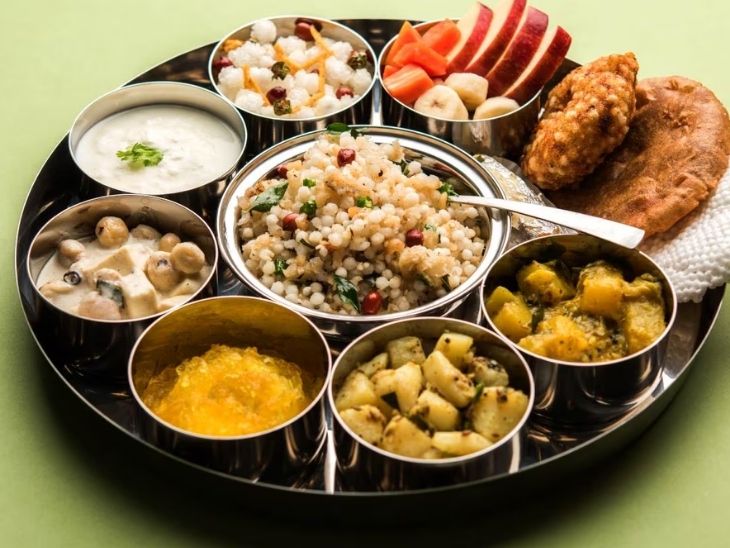
A balanced fasting diet should include a mix of carbohydrates, proteins, and healthy fats. Start your day with fruits and milk to get instant energy. For lunch, include dishes made from kuttu or singhara flour along with curd. Evening snacks can include roasted makhana or fruit chaat. Dinner should be light, such as sabudana khichdi with less oil or a bowl of yogurt with fruits. This helps maintain digestion and prevents heaviness.
Hydration and Its Importance
Staying hydrated is crucial during fasting. Drinking water, coconut water, lemon water, and buttermilk helps maintain energy levels and prevents dehydration. Avoid sugary drinks, as they add unnecessary calories. Hydration also helps control hunger and supports overall well-being during Navratri.
Common Mistakes to Avoid
Many people unknowingly make mistakes that increase calorie intake during fasting. Overeating fried snacks, consuming too many sweets, and skipping meals can negatively impact health. It is important to eat in moderation and maintain a proper eating schedule. Listening to your body and choosing nutrient-rich foods ensures a healthy fasting experience.
Benefits of Healthy Navratri Fasting
Following a healthy approach to fasting offers several benefits. It helps in detoxification, weight management, improved digestion, and better energy levels. A balanced diet during Navratri can also improve mental clarity and overall well-being. By making smart swaps, you can turn fasting into a health-boosting practice rather than a calorie-heavy routine.
FAQ’s About Navratri Fasting Foods
1. Can I lose weight during Navratri fasting?
Yes, by choosing healthy foods and avoiding fried and sugary items, you can manage or even lose weight during fasting.
2. What are the best snacks for Navratri fasting?
Healthy options include roasted makhana, fruits, and nuts in moderation.
3. Is sabudana good for weight loss?
Sabudana can be part of a healthy diet if cooked with minimal oil and balanced with other nutrients.
4. How can I avoid weakness during fasting?
Eat balanced meals, stay hydrated, and include protein-rich foods like dairy and nuts to maintain energy levels.