
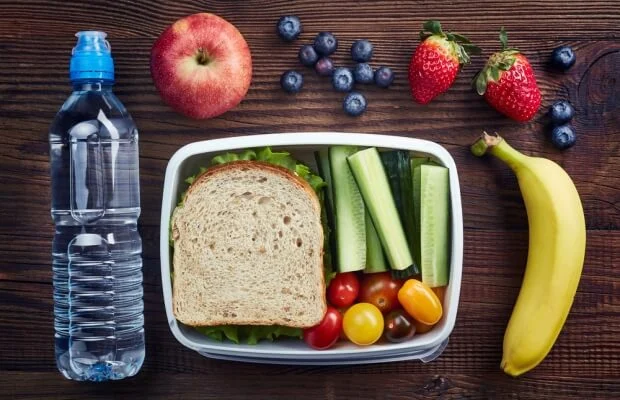
The idea of a clean diet has gained massive popularity in recent years, with many people aiming to eat whole, unprocessed foods to improve their health. From cutting out sugar and refined carbs to focusing on organic produce and home-cooked meals, clean eating is often seen as the gold standard for a healthy lifestyle. But is your clean diet always as beneficial as it seems?
Surprisingly, experts suggest that an overly strict or misunderstood clean eating approach can sometimes lead to unintended health issues. While the intention is good, extreme restrictions, nutrient imbalances, and psychological stress can make a “healthy diet” turn unhealthy. In this article, we explore the hidden risks of clean eating and how to maintain a truly balanced diet.
Clean Diet Highlights
| Aspect | Details |
|---|---|
| Definition | Focus on whole, unprocessed foods |
| Main Goal | Improve overall health and wellness |
| Potential Risk | Nutrient deficiencies and restrictions |
| Common Mistake | Eliminating entire food groups |
| Ideal Approach | Balanced and flexible eating |
| Health Impact | Positive when done correctly |
What Is a Clean Diet
A clean diet typically involves eating foods in their most natural state. This includes fruits, vegetables, whole grains, lean proteins, and healthy fats while avoiding processed foods, artificial additives, and excess sugar.
While this approach promotes healthier choices, the problem arises when people adopt extreme versions of clean eating. Completely eliminating certain food groups or labeling foods as “good” and “bad” can create an unhealthy relationship with food.
When Clean Eating Becomes Unhealthy
Clean eating becomes problematic when it turns into rigid dieting. Many people start avoiding foods they once enjoyed, even in moderation, which can lead to both physical and mental health issues.
Over-restriction can result in nutritional deficiencies, especially if important food groups like dairy, grains, or fats are removed without proper alternatives. Additionally, constantly worrying about food purity can increase stress and anxiety around eating.
Risk of Nutrient Deficiencies
One of the biggest downsides of an overly strict clean diet is the risk of missing essential nutrients. For example, avoiding carbohydrates completely may lead to low energy levels, while cutting out fats can impact hormone balance.
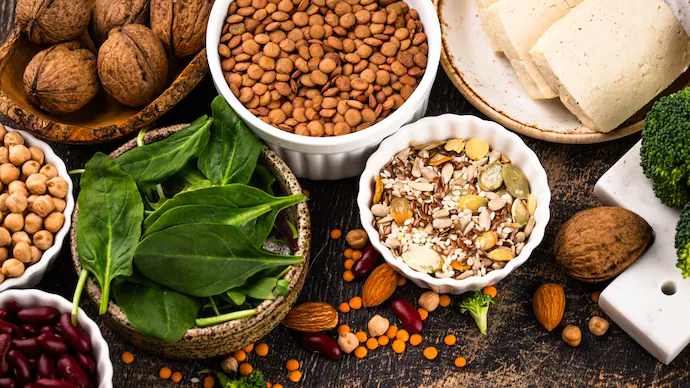
A healthy diet should include a variety of nutrients such as proteins, carbohydrates, fats, vitamins, and minerals. Eliminating foods without proper knowledge can disrupt this balance and negatively affect overall health.
The Psychological Impact of Clean Eating
Clean eating can also have a mental health impact. Constantly focusing on eating “perfectly” can lead to guilt or anxiety when deviating from the diet. This can create a cycle of stress and unhealthy eating patterns.
In some cases, extreme clean eating may lead to orthorexia, a condition characterized by an obsession with eating only healthy or pure foods. This highlights the importance of maintaining a flexible and realistic approach to nutrition.
Are All Processed Foods Bad
A common misconception is that all processed foods are harmful. In reality, some processed foods, such as frozen vegetables, whole-grain bread, and fortified cereals, can be nutritious and convenient.
Avoiding all processed foods can make it harder to meet daily nutritional needs, especially for people with busy lifestyles. The key is to focus on minimally processed and nutrient-rich options rather than eliminating them entirely.
Also read: Is Your Ice Cream Really Healthy? The Truth You Need to Know
Importance of Balance in Diet
The foundation of a healthy lifestyle is balance. Instead of strictly following a clean diet, it is better to adopt a balanced approach that includes a variety of foods.
Allowing occasional treats and maintaining flexibility helps prevent feelings of deprivation. A balanced diet supports both physical health and mental well-being, making it easier to sustain in the long term.
Signs Your Clean Diet May Be Unhealthy
There are certain signs that your clean diet may not be as healthy as you think. These include constant fatigue, frequent cravings, digestive issues, and increased stress around food choices.
If you find yourself avoiding social situations due to dietary restrictions or feeling guilty after eating certain foods, it may be time to reassess your approach.
How to Make Your Diet Truly Healthy
To ensure your diet supports overall health, focus on variety and moderation. Include different food groups, listen to your body’s needs, and avoid extreme restrictions.
Consulting a nutrition expert can also help create a personalized plan that meets your dietary requirements. The goal should be to develop a sustainable eating pattern rather than following rigid rules.
FAQs About Is Your Clean Diet Actually Unhealthy
Can a clean diet be harmful?
Yes, an overly strict clean diet can lead to nutrient deficiencies and mental stress if not balanced properly.
What is the biggest mistake in clean eating?
The biggest mistake is eliminating entire food groups without considering nutritional needs.
Is it okay to eat processed foods occasionally?
Yes, some processed foods can be nutritious and convenient when chosen wisely.
How can I maintain a healthy diet?
Focus on balance, variety, and moderation rather than strict rules or restrictions.