






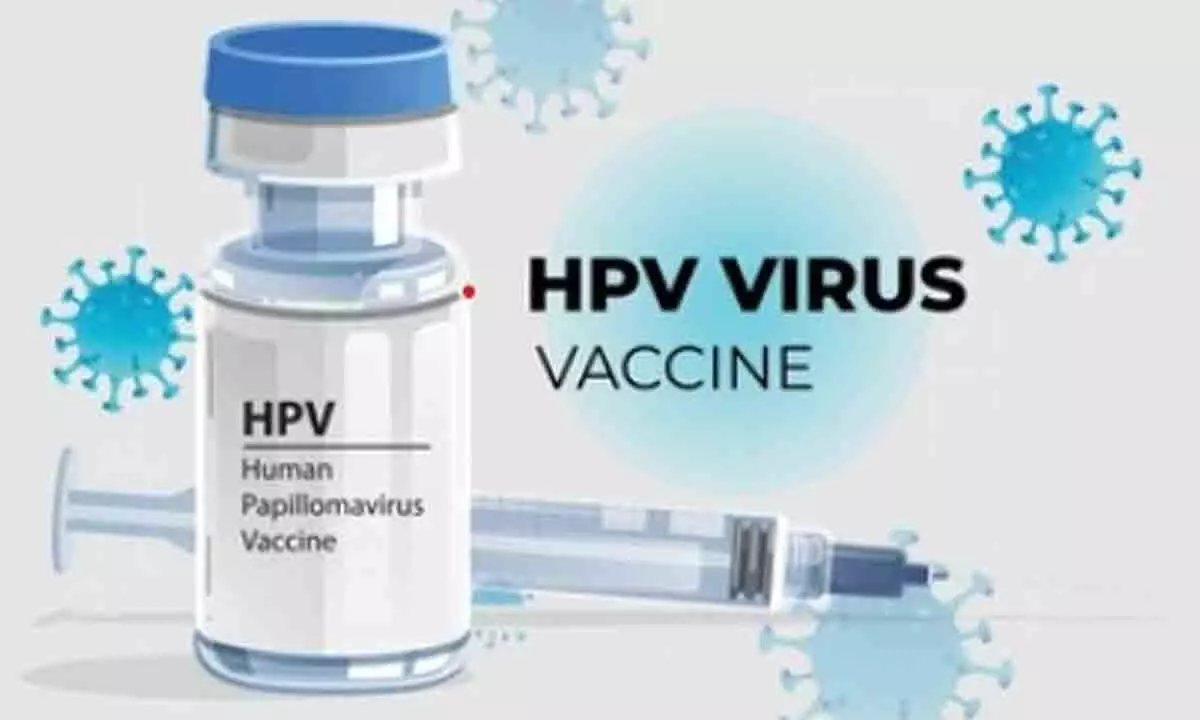
Vidal Health and Serum Institute Join Hands: Mumbai: In a significant move towards preventive and digital-first healthcare, Vidal Health, India’s second-largest Third-Party Administrator (TPA) service provider, has partnered with Serum Institute of India (SII) Pvt. Ltd, part of the Cyrus Poonawalla Group and the world’s largest vaccine manufacturer. This strategic collaboration aims to enhance cervical cancer prevention and awareness in India.
Cervical cancer is the fourth most common cancer among women globally, with India contributing a substantial portion of cases. Despite the availability of effective vaccines, limited awareness and accessibility have remained barriers. This partnership seeks to bridge that gap using digital technology, outreach programs, and vaccination initiatives.
Vidal Health: Driving Preventive Healthcare Digitally
Vidal Health, a 100% subsidiary of Bajaj Finserv Health, operates as a digital healthcare platform integrating India’s fragmented healthcare ecosystem. It offers a wide range of services, including preventive care, prepaid healthcare, OPD consultations, and telemedicine.
Sanjiv Bajaj, Chairman & Managing Director of Bajaj Finserv, highlighted the changing landscape of healthcare in India:
“Healthcare in India is experiencing a fundamental shift from reactive, post-illness care to preventive care, driven by awareness and transformative initiatives like Ayushman Bharat. At Bajaj Finserv Health, we are shaping this change by building a digital platform that empowers people to stay healthy, with preventive healthcare at its core.”
He added that the collaboration with Serum Institute marks a strong start to their vaccination programme, enabling individuals and corporates to manage health proactively while reducing long-term healthcare costs.
Serum Institute of India: Expanding Vaccine Access
Adar Poonawalla, CEO of Serum Institute of India, emphasized the importance of the HPV vaccine in preventing cervical cancer:
“The HPV vaccine is an important step in preventing cervical cancer, but wider access and awareness are key to its impact. Our collaboration with Vidal Health helps bridge that gap by using technology to deliver the vaccine more efficiently and at scale. This initiative supports our ongoing efforts to make essential vaccines more accessible and improve public health outcomes.”
The Serum Institute of India has a longstanding reputation for mass-producing high-quality vaccines and distributing them at scale globally. This collaboration focuses on ensuring that the HPV vaccine reaches more people across India, particularly women at higher risk of cervical cancer.
The Importance of HPV Vaccination
Human Papillomavirus (HPV) is a primary cause of cervical cancer, which is preventable through vaccination. The World Health Organization (WHO) recommends HPV vaccination for girls aged 9–14 years, ideally before exposure to the virus. Vaccination not only protects individuals but also contributes to herd immunity, reducing the overall prevalence of the virus in the population.
Despite its proven effectiveness, HPV vaccination coverage in India has been relatively low due to lack of awareness, limited access, and cost concerns. Initiatives like the Vidal Health–SII partnership are designed to address these barriers through digital platforms, awareness campaigns, and corporate wellness programs.
Read about: Alcohol Raises Dementia Risk at Every Level of Drinking, Genetic Study Shows

Digital Solutions for Preventive Health
The collaboration emphasizes the role of technology in healthcare delivery. Through Vidal Health’s platform, individuals and organizations can:
- Schedule HPV vaccinations online
- Receive reminders for follow-up doses
- Access educational resources on cervical cancer prevention
- Track vaccination records digitally
By combining technology with healthcare expertise, this initiative aims to make preventive care more accessible, convenient, and effective.
Potential Impact on Public Health
India faces a substantial cervical cancer burden, with approximately 123,000 new cases annually and over 67,000 deaths each year. Increasing HPV vaccination coverage could significantly reduce morbidity and mortality, improve women’s health outcomes, and reduce long-term healthcare costs.
Partnerships like Vidal Health and Serum Institute demonstrate how public-private collaborations can leverage technology, infrastructure, and awareness campaigns to scale preventive healthcare interventions across the country.
Conclusion
The Vidal Health–Serum Institute collaboration marks a significant step toward digital-first, preventive healthcare in India. By combining Vidal Health’s digital platform capabilities with Serum Institute’s vaccine production and distribution expertise, the initiative aims to expand access to HPV vaccination, raise awareness about cervical cancer, and empower individuals to take proactive steps for their health.
With cervical cancer being largely preventable, this partnership could be a game-changer in public health, ensuring that more women across India receive timely vaccination and protection against HPV.
Also read: ERNET India Recruitment 2025 – 04 Project Manager, Project Engineer पदों के लिए आवेदन करें
FAQs
Q1: What is the HPV vaccine and who should take it?
The HPV vaccine protects against the Human Papillomavirus, a major cause of cervical cancer. It is recommended for girls and young women aged 9–26 years, ideally before exposure to the virus.
Q2: How does this collaboration help improve vaccine access?
Vidal Health provides a digital platform to schedule vaccinations, track doses, and access educational content, while Serum Institute ensures efficient vaccine production and supply.
Q3: Can HPV vaccination prevent all types of cervical cancer?
While HPV vaccines target the most common cancer-causing virus strains, regular screening and checkups are still important for comprehensive prevention.
Q4: Why is digital healthcare important for preventive medicine?
Digital solutions improve accessibility, convenience, and record management, allowing individuals and organizations to monitor and manage health proactively.