





Pancreatic Cancer: Pancreatic cancer, often referred to as a “silent killer”, is one of the deadliest forms of cancer worldwide. With rising incidence and alarmingly low survival rates, it poses a growing global health challenge. The disease is especially dangerous because it is often diagnosed late, progresses aggressively, and offers limited treatment options at advanced stages.
Amid this backdrop, new research has uncovered how a common daily habit—smoking—does more than just increase pancreatic cancer risk. It actively fuels tumor growth by weakening the body’s natural immune defenses. This finding underscores the urgent need for awareness, prevention, and targeted screening in high-risk groups.
As experts predict that pancreatic cancer could surpass colorectal cancer as the second leading cause of cancer-related deaths by 2030, the time to act is now. Understanding the role of smoking, the biology of pancreatic cancer, and the importance of early detection could be lifesaving.
Smoking: More Than Just a Risk Factor
Smoking has long been recognized as a major risk factor for pancreatic cancer. But new studies have revealed that its dangers go far beyond triggering cancer initiation.
Researchers at the University of Michigan discovered that cigarette toxins activate certain immune-related cells, leading to the release of a protein called interleukin-22 (IL-22). This protein not only promotes aggressive tumor growth but also suppresses the immune system’s anti-tumor response, creating a perfect storm for cancer progression.
This double-edged effect makes smoking not just a risk factor, but a direct promoter of cancer development in the pancreas.
What Is Pancreatic Cancer?
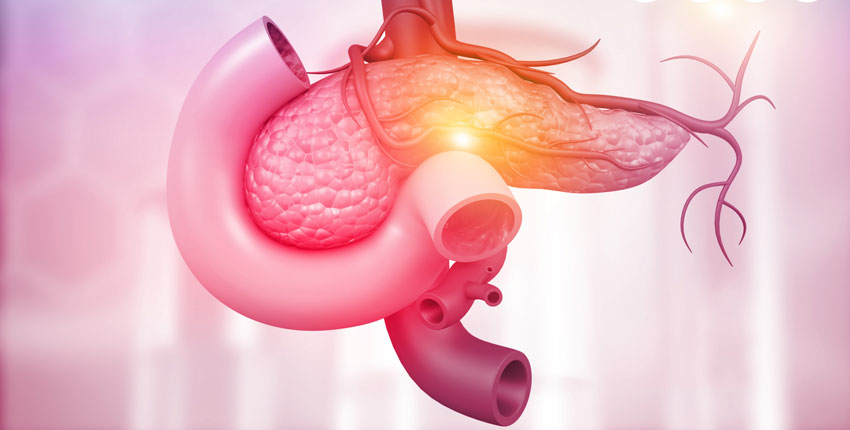
Pancreatic cancer occurs when malignant cells form in the tissues of the pancreas, a gland located behind the stomach that regulates digestion and blood sugar.
Facts About Pancreatic Cancer:
- Functions of the pancreas: Produces enzymes for digestion and hormones like insulin.
- Common risk factors: Smoking, family history, chronic pancreatitis, obesity, and long-standing type 2 diabetes.
- Symptoms: Often absent in early stages. When present, they may include unexplained weight loss, jaundice, abdominal pain, loss of appetite, or new-onset diabetes.
- Survival rates: Global five-year survival remains under 20%, making it one of the most lethal cancers.
Rising Pancreatic Cancer Cases: A Global Concern
The global burden of pancreatic cancer continues to grow. Experts estimate that by 2030, it will become the second leading cause of cancer deaths in the U.S., and similar trends are emerging worldwide, including India.
Unlike breast, cervical, or colorectal cancers, where early screening has improved outcomes, pancreatic cancer lacks reliable, population-wide screening methods. This means most cases are diagnosed at advanced stages when treatment options are limited and survival chances are minimal.
Read about: Safe, Healthy, and Informed: Raising Awareness on World Sexual Health Day 2025
When Should You Consider Screening?
Currently, mass screening for pancreatic cancer is not recommended for the general population. The U.S. Preventive Services Task Force rates it as “D”, citing more harm than benefit for average-risk individuals.
High-Risk Groups Who Should Consider Screening:
- People with genetic syndromes (Peutz-Jeghers, familial pancreatic cancer, BRCA1/2 mutations)
- Individuals with a strong family history of pancreatic cancer
- Patients with new-onset diabetes, especially when combined with unexplained weight loss
- Those with chronic pancreatitis
In such groups, experts recommend annual surveillance using MRI or endoscopic ultrasound (EUS), starting at an age tailored to genetics and family history.
Why Screening High-Risk Groups Matters
For people at elevated risk, early detection can be lifesaving. Identifying tumors at a smaller, more treatable stage allows for surgical removal or targeted therapy, which significantly improves survival chances.
While screening carries potential downsides such as anxiety, false positives, or invasive follow-ups, the benefits often outweigh the risks for high-risk individuals. The key lies in personalized surveillance strategies, guided by genetics and clinical history.
Preventing Pancreatic Cancer: Steps You Can Take
While not all cases can be prevented, certain lifestyle changes and medical awareness can reduce risk:
- Quit Smoking – The single most effective step to lower pancreatic cancer risk.
- Maintain Healthy Weight – Obesity is linked to higher cancer risk.
- Manage Diabetes – Monitor new-onset diabetes closely, especially if paired with weight loss.
- Limit Alcohol Use – Excessive drinking increases the risk of chronic pancreatitis, a precursor to cancer.
- Know Your Family History – Discuss genetic testing and screening if pancreatic cancer runs in your family.
Also read: Lava Bold N1 5G Launched in India with Android 15, 5G Support and Budget Pricing
Conclusion: A Call to Action
Pancreatic cancer is one of the most lethal cancers, not just because of its aggressiveness but because it often goes unnoticed until it’s too late. The discovery that smoking accelerates tumor growth by suppressing immune defenses makes the case for urgent lifestyle change even stronger.
While population-wide screening is not yet feasible, targeted screening for high-risk individuals offers a real opportunity for early detection and improved outcomes. Advances in imaging and genetic testing provide hope for catching the disease earlier than ever before.
Ultimately, prevention remains the best defense. Quitting smoking, managing diabetes, and seeking timely screening if you’re in a high-risk group are critical steps. With awareness, early intervention, and healthier choices, we can reduce the rising tide of pancreatic cancer cases.
The message is clear: smoking doesn’t just increase the risk of pancreatic cancer—it fuels its growth. Breaking free from this habit could save millions of lives.
FAQs of Pancreatic Cancer
1. Why is pancreatic cancer called a “silent killer”?
Because it often develops without symptoms in its early stages. By the time symptoms appear—like abdominal pain, jaundice, or weight loss—the cancer is usually advanced and harder to treat.
2. How exactly does smoking cause pancreatic cancer?
Cigarette toxins trigger inflammation and DNA damage while also releasing proteins like IL-22, which both stimulate tumor growth and suppress the immune system. This combination accelerates cancer progression.
3. Who should undergo pancreatic cancer screening?
Screening is not recommended for everyone but is advised for high-risk groups—those with genetic syndromes, strong family history, chronic pancreatitis, or new-onset diabetes with unexplained weight loss.
4. What are the main risk factors for pancreatic cancer?
The biggest risk factors include smoking, genetic predisposition, family history, obesity, long-standing type 2 diabetes, and chronic pancreatitis.
5. Can pancreatic cancer be prevented?
While not all cases are preventable, quitting smoking, managing weight and diabetes, moderating alcohol use, and knowing your family history can significantly reduce your risk.