




Global Antibiotic Resistance 2025: Antibiotics have been a cornerstone of modern medicine for decades, critical for treating infections, performing surgeries, and supporting cancer therapies like chemotherapy. However, the very foundation of these treatments is under threat. According to the Global Antibiotic Resistance Surveillance Report 2025 by the World Health Organization (WHO), the effectiveness of antibiotics is rapidly declining. In 2023, one in six laboratory-confirmed bacterial infections worldwide failed to respond to antibiotic treatments, signaling a worrying escalation in antimicrobial resistance (AMR).
Between 2018 and 2023, resistance increased in over 40% of pathogen-antibiotic combinations, translating to an average annual growth of 5–15%. This rise highlights the urgent need for global intervention, as modern medicine increasingly confronts infections that are becoming harder—and sometimes impossible—to treat. The WHO collected data from over 100 countries via the Global Antimicrobial Resistance and Use Surveillance System (GLASS), providing the most comprehensive insight to date on resistance patterns for commonly used antibiotics.
For the first time, the 2025 report presents resistance prevalence estimates across 22 antibiotics used to treat infections of the urinary tract, gastrointestinal system, bloodstream, and sexually transmitted infections like gonorrhoea. The study also evaluated eight major bacterial pathogens: Acinetobacter spp., Escherichia coli, Klebsiella pneumoniae, Neisseria gonorrhoeae, non-typhoidal Salmonella spp., Shigella spp., Staphylococcus aureus, and Streptococcus pneumoniae. These pathogens represent a significant portion of drug-resistant infections worldwide and are central to AMR monitoring efforts.
Antibiotic Resistance Across the World
Resistance is not evenly distributed. According to the report, the highest resistance rates were observed in South-East Asia and the Eastern Mediterranean, where roughly one in three infections was resistant to commonly used antibiotics. The African region also faces a high burden, with about one in five infections resistant. Regions with weaker healthcare systems, limited diagnostic capabilities, or insufficient capacity to treat bacterial infections are particularly affected.
Dr. Tedros Adhanom Ghebreyesus, WHO Director-General, emphasized the gravity of the situation:
“Antimicrobial resistance is outpacing advances in modern medicine, threatening the health of families worldwide. As countries strengthen their AMR surveillance systems, we must use antibiotics responsibly, and ensure everyone has access to the right medicines, quality-assured diagnostics, and vaccines.”
The WHO continues to advocate for strengthened systems to prevent, diagnose, and treat infections, along with innovation in next-generation antibiotics and rapid point-of-care molecular tests to curb the AMR threat.
Read about: Why Your Knees and Back Feel 40 When You’re Only 25: Expert Explains
Pathogens Posing the Greatest Threat
Gram-negative bacteria are at the forefront of the resistance crisis. E. coli and K. pneumoniae are among the most concerning, particularly in bloodstream infections that can lead to sepsis, organ failure, and death. The report highlights that more than 40% of E. coli and over 55% of K. pneumoniae strains globally are now resistant to third-generation cephalosporins, which are typically the first-line treatment.
Resistance is also rising against other critical antibiotics such as carbapenems and fluoroquinolones, affecting pathogens including Salmonella, Acinetobacter, E. coli, and K. pneumoniae. These trends are alarming because they limit treatment options, force reliance on last-resort antibiotics, and increase mortality risk in severe infections.
Implications for Global Health
The rise in antibiotic resistance is a serious threat to global health. Drug-resistant infections complicate routine medical procedures, jeopardize surgeries, and make chemotherapy and other immunosuppressive treatments riskier. The growing prevalence of multi-drug-resistant Gram-negative bacteria could lead to higher hospitalization rates, longer treatment durations, and increased healthcare costs.
Countries with robust surveillance, responsible antibiotic use, and access to vaccines have an advantage in controlling AMR. Conversely, regions with weak healthcare infrastructure face disproportionate risk, underscoring the need for equitable access to diagnostics and effective treatments worldwide.
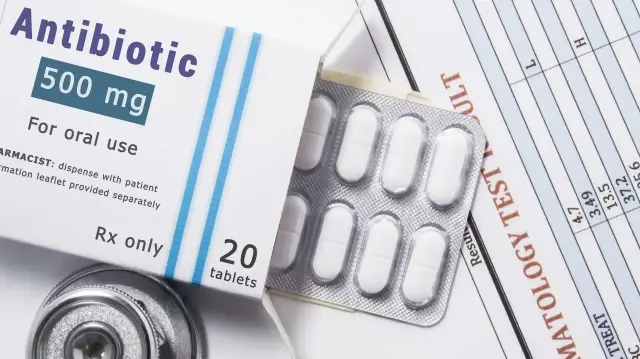
Measures to Combat Antibiotic Resistance
To combat AMR, global and local strategies are essential:
- Responsible Antibiotic Use: Avoid overuse or misuse of antibiotics; follow prescriptions precisely.
- Enhanced Surveillance: Expand and improve AMR monitoring systems like GLASS.
- Vaccinations: Prevent bacterial infections before they require antibiotics.
- Innovation: Develop new antibiotics and rapid diagnostic tests.
- Public Awareness: Educate communities on hygiene, infection prevention, and the dangers of resistance.
Conclusion
Antibiotic resistance is accelerating at an unprecedented rate, threatening decades of medical progress. With one in six infections already resistant and annual increases of 5–15% in pathogen-antibiotic combinations, urgent global action is required.
Gram-negative bacteria such as E. coli and K. pneumoniae pose the greatest risk, particularly in severe infections like sepsis. The growing ineffectiveness of first-line antibiotics highlights the need for responsible use, improved diagnostics, and innovative treatments.
Addressing AMR requires global collaboration. Countries must invest in healthcare infrastructure, implement stewardship programs, and ensure equitable access to life-saving medicines. Without such coordinated action, routine infections may become increasingly deadly.
Preventive measures, including vaccination, public awareness campaigns, and the development of next-generation antibiotics, will be crucial to safeguard public health and protect modern medicine.
Also read: TVS Apache RTX रिव्यू: भारत में नई एडवेंचर टूरर का आगमन
FAQs of Global Antibiotic Resistance 2025
1. What is antimicrobial resistance (AMR)?
Antimicrobial resistance occurs when bacteria evolve mechanisms to survive exposure to antibiotics, rendering treatments ineffective. AMR threatens the ability to treat common infections, complicates medical procedures, and increases the risk of severe illness and death.
2. Which bacteria are the most concerning in the 2025 WHO report?
The report highlights Gram-negative bacteria, especially E. coli and K. pneumoniae, as major threats due to their resistance to third-generation cephalosporins and other essential antibiotics. Other notable pathogens include Acinetobacter spp., Salmonella spp., and MRSA (methicillin-resistant Staphylococcus aureus).
3. Why is antibiotic resistance rising globally?
Resistance increases due to overuse and misuse of antibiotics, weak healthcare infrastructure, poor diagnostic capacity, and lack of access to vaccines and new treatments. In many regions, inadequate surveillance leads to delayed detection of resistant strains.
4. How does antibiotic resistance affect medical treatments?
AMR undermines routine medical procedures, surgeries, chemotherapy, and infection management. Resistant infections require stronger, often more expensive antibiotics, prolong hospital stays, and increase the risk of complications or mortality.
5. What measures can prevent antibiotic resistance?
Preventive measures include responsible antibiotic use, vaccination, improved diagnostics, development of new antibiotics, robust AMR surveillance, and public education about hygiene and infection prevention.