





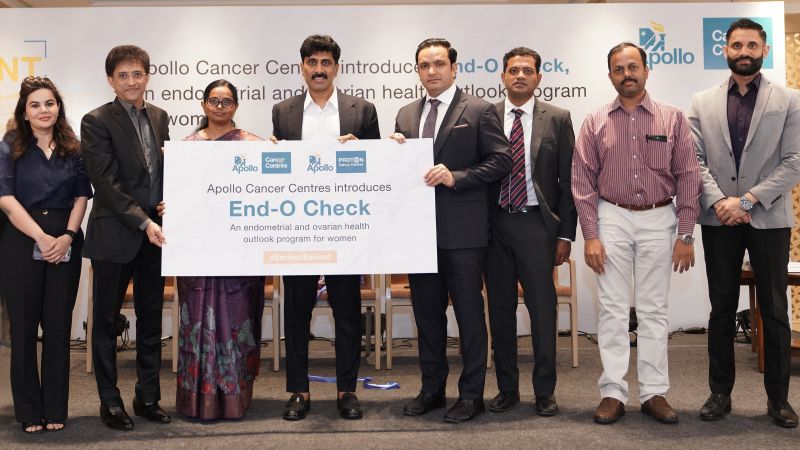
Apollo Cancer Centres Raise Awareness: Cancer is often perceived as a random, unpredictable disease—but for millions of people around the world, genetics play a powerful role in determining risk. Hereditary cancers, caused by gene mutations passed down from parents to children, account for an estimated 5–10% of all cancer cases globally. These genetic mutations can significantly increase a person’s chances of developing certain types of cancer—often at a younger age than usual. Recognizing this urgent issue, Apollo Cancer Centres (ACC) has observed Hereditary Cancer Awareness Week with a strong message: early genetic testing and proactive screening can save lives.
The initiative by Apollo Cancer Centres emphasizes that understanding one’s genetic makeup is not merely a medical choice—it’s a proactive step toward prevention. In India, the prevalence of hereditary cancers, particularly breast, ovarian, colorectal, and endometrial cancers, is rising steadily. Yet, awareness of genetic risks remains alarmingly low. Through educational programs, expert consultations, and real-life case studies, ACC aims to change that by encouraging high-risk families to seek timely genetic counselling and screening.
Hereditary cancer awareness is crucial because it bridges the gap between prevention and cure. While early detection and treatment have improved survival rates across many cancer types, families with inherited mutations often face higher recurrence risks and require specialized care. By identifying at-risk individuals early, doctors can implement preventive strategies—such as regular screenings, lifestyle adjustments, and in some cases, preventive surgeries—to dramatically reduce the chances of cancer development.
Understanding Hereditary Cancer
Hereditary cancer occurs when an individual inherits a faulty gene from one or both parents, predisposing them to specific types of cancer. These mutations are found in the DNA and are passed from generation to generation.
Key Genetic Mutations Linked to Hereditary Cancer
- BRCA1 and BRCA2 Genes: Mutations in these genes increase the risk of breast, ovarian, and prostate cancers. In India, over 10% of breast and ovarian cancers are associated with BRCA mutations.
- Lynch Syndrome (Hereditary Nonpolyposis Colorectal Cancer): Caused by inherited mutations in DNA repair genes, Lynch syndrome raises the risk of colorectal, endometrial, and several other cancers. It is responsible for 2–3% of all colorectal cancers.
These mutations don’t guarantee cancer but significantly raise the lifetime risk compared to the general population. Detecting them early allows individuals to take preventive or surveillance measures that can reduce or delay cancer onset.
Real-Life Case Study: A Family’s Battle with Lynch Syndrome
A striking example comes from Apollo Cancer Centres, Chennai, where four members of a single family from Guwahati were diagnosed with Lynch syndrome-related cancers across two generations.
- The mother was diagnosed with ovarian cancer in 2011.
- Her daughter was treated for ovarian cancer in 2012.
- In 2024, two more siblings were diagnosed with colon cancer.
Thanks to timely diagnosis, all four family members are currently stable after receiving appropriate treatment and surveillance.
“These cases show that cancer is not only sporadic but may also be inherited,” said Dr. Venkat P., Senior Consultant, Surgical Oncology, ACC Chennai. “Genetic counselling and regular screening are vital for high-risk families.”
Dr. Priya Kapoor, Consultant, Surgical Oncology, further noted that the clustering of cancers within families should never be dismissed as coincidence. “Testing can enable early or preventive interventions,” she explained, highlighting the lifesaving potential of proactive genetic screening.
Importance of Genetic Testing and Counselling
Genetic testing helps identify individuals who carry mutations linked to hereditary cancers. Once identified, these individuals can undergo personalized screening schedules or even preventive measures.
Benefits of Genetic Testing:
- Early Detection: Enables identification of cancers before symptoms appear.
- Personalized Care: Helps tailor screening and treatment plans to each person’s genetic profile.
- Family Risk Assessment: Allows other family members to be tested and monitored if needed.
- Preventive Strategies: May include lifestyle modifications, prophylactic surgeries, or targeted therapies.
Experts recommend that those with a strong family history of cancer should consider genetic testing as early as possible—sometimes beginning at 25 years of age.
Read about: Millets Up, Sugar Down: ICMR’s Diet Recommendations to Fight Non-Communicable Diseases
Early Screening and Preventive Strategies
For families identified as high-risk, regular screening and surveillance are key components of prevention. These may include:
- Annual colonoscopies for Lynch syndrome carriers.
- MRI and mammograms for women with BRCA mutations.
- Endometrial biopsies or ultrasounds for women at risk of uterine cancers.
- Preventive surgeries, such as mastectomy or oophorectomy, in specific cases.
Screening helps detect cancer in its earliest, most treatable stages, significantly improving survival outcomes.
Conclusion
Raising awareness about hereditary cancer is not just a medical necessity—it’s a social responsibility. Apollo Cancer Centres’ campaign shines a light on the importance of understanding genetic risks and taking proactive measures. As the institution’s experts emphasize, cancer is not always a random event; sometimes, it’s written in our genes. Recognizing that fact can mean the difference between early intervention and late discovery.
Genetic counselling and testing are the front lines of cancer prevention in the 21st century. Families with a history of cancer should seek professional advice and screening without delay. The earlier a risk is identified, the better the chances of preventing or effectively managing the disease.
Moreover, hereditary cancer awareness fosters empowerment. Knowing your genetic status allows you to make informed choices about your health and future. It transforms fear into action and uncertainty into preparedness.
Ultimately, Apollo Cancer Centres’ commitment to promoting awareness underscores a vital truth: when it comes to hereditary cancers, knowledge truly is power. Early detection, genetic counselling, and personalized care can protect generations from the devastating impact of inherited cancer syndromes.
Also read: Faster Cheque Clearance From October 4: Everything You Need to Know
FAQs
1. What is hereditary cancer?
Hereditary cancer refers to cancers caused by inherited gene mutations passed from a parent to a child. These mutations increase the risk of developing certain cancers, often at a younger age. Common hereditary cancers include breast, ovarian, colorectal, and prostate cancers.
2. How common are hereditary cancers in India?
Approximately 5–10% of all cancers globally are hereditary. In India, more than 10% of breast and ovarian cancers are linked to BRCA mutations, while Lynch syndrome causes about 2–3% of colorectal cancers.
3. When should someone get tested for hereditary cancer?
Experts recommend genetic testing for individuals with a strong family history of cancers, especially if multiple relatives have developed cancer at a young age. Testing can begin as early as 25 years of age for those in high-risk families.
4. What are the benefits of genetic counselling?
Genetic counselling helps individuals understand their inherited risk, interpret test results, and develop a personalized screening and prevention plan. It also offers emotional support and guidance for family members.
5. Can hereditary cancer be prevented?
While genetic mutations cannot be changed, early detection and preventive strategies can greatly reduce the risk. Regular screenings, lifestyle changes, and, in some cases, preventive surgeries or medications can help prevent cancer or detect it early when it’s most treatable.