
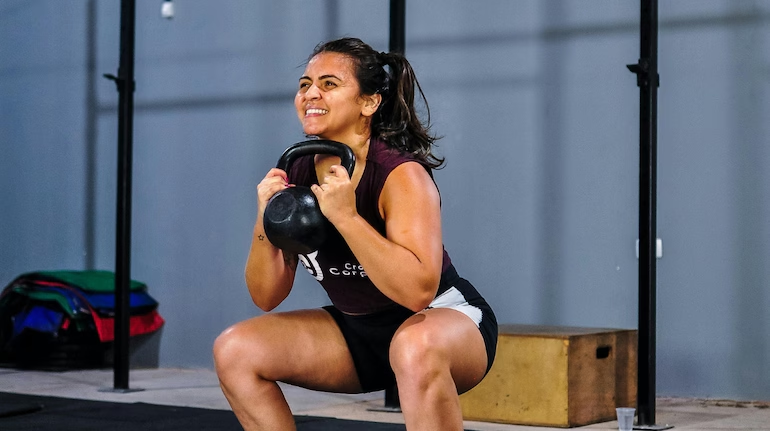
Beat Exercises: Squats are often called the king of exercises, and for good reason. Simple, equipment-free, and highly effective, squats engage some of the largest and most powerful muscle groups in the body. When practiced daily with proper technique, they can bring noticeable improvements in strength, posture, metabolism, and overall fitness. However, like any exercise, squats must be done mindfully to avoid injury and overuse.
Whether your goal is to lose weight, tone muscles, or stay active on a budget, squats are one of the most practical exercises you can include in your daily routine. Over time, consistent squatting can lead to impressive physical and metabolic changes.
Why Squats Are So Effective
Squats are a compound movement, meaning they work multiple muscle groups at the same time. They primarily activate the quadriceps, hamstrings, glutes, and calves, while also engaging the core and lower back for balance and stability. Because squats mimic everyday movements like sitting, standing, and lifting, they improve functional strength that directly supports daily activities.
Builds Lower Body Strength
One of the most visible benefits of daily squats is stronger legs and glutes. Each squat stimulates muscle fibers in the thighs and hips, helping them become stronger and more efficient over time. Stronger leg muscles make everyday activities like walking, climbing stairs, running, and lifting easier and safer.
Also read: 2026 Jawa 42 Bobber Launch in India
Enhances Core Stability and Posture
Although squats are often associated with leg workouts, they are equally effective for strengthening the core. Maintaining an upright posture during squats requires continuous engagement of the abdominal and spinal muscles. This improved core strength supports the spine, reduces stress on the lower back, and improves overall posture. Over time, daily squats can help reduce the risk of lower back pain and enhance balance.
Boosts Metabolism and Fat Burning

Squats activate large muscle groups, which demand more energy. As a result, they burn more calories compared to isolation exercises. Over time, increased muscle mass can slightly raise resting metabolic rate, meaning your body burns more calories even at rest.
Strengthens Bones and Prevents Bone Loss
Squats are a weight-bearing exercise, which means they place healthy stress on bones. This stimulates bone-forming cells and may help increase or maintain bone density. “As we age, maintaining bone strength becomes essential,” says Dr. Verma. “Squats can play a role in preventing bone loss.”
Supports Hormonal Balance
Engaging large muscle groups triggers the release of beneficial hormones such as growth hormone and testosterone (in both men and women). These hormones help with muscle repair, recovery, and energy regulation.
FAQs
1. How many squats should I do daily?
Beginners can start with 10–15 squats per day and gradually increase to 30–50 reps as strength improves. Focus on proper form rather than high numbers to prevent injury.
2. Can daily squats help with weight loss?
Yes. Squats engage large muscle groups, which helps burn calories and boost metabolism over time. When combined with a balanced diet and overall activity, they can support fat loss effectively.
Read about: Ultraprocessed Foods May Be as Addictive as Tobacco, New Research Warns