




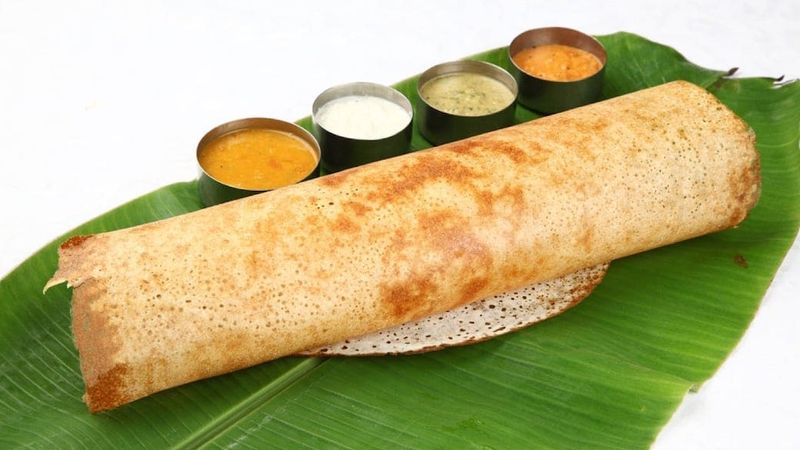
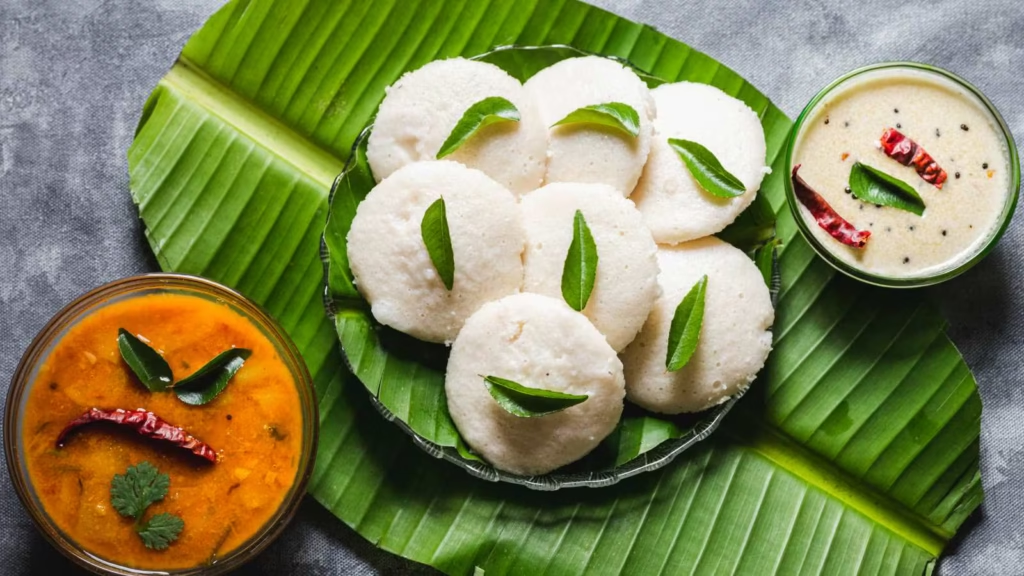
Can Diabetics Eat Idlis and Dosas Guilt-Free: For countless Indians, mornings begin with the comforting aroma of steaming idlis or the crisp delight of dosas. These South Indian staples are not only delicious but are also deeply embedded in India’s culinary identity. However, for people managing diabetes, these traditional favourites often come with guilt or hesitation. The question arises: can idlis and dosas fit into a diabetic-friendly diet without spiking blood sugar levels?
The encouraging answer is yes. When prepared thoughtfully, portioned correctly, and paired with suitable accompaniments, idlis and dosas can be both satisfying and safe for people managing diabetes. Awareness about ingredients, cooking methods, and meal timing is key to enjoying these dishes without compromising blood sugar control.
Fermentation, a crucial process in making idlis and dosas, not only enhances flavor but also improves digestibility and slightly lowers the glycaemic index (GI). This means that, although rice is a fast-digesting carbohydrate, the fermentation process can slow sugar absorption and make these staples more gut-friendly.
How Idlis and Dosas Affect Blood Sugar
Traditional idlis and dosas are made from a fermented batter of rice and urad dal (black gram). While fermentation offers digestive benefits, white rice remains a rapidly digesting carbohydrate. For people with diabetes, this can lead to a quick rise in blood glucose if eaten in large quantities.
The challenge is not the dishes themselves but how they are prepared and consumed. Overeating, pairing with high-sugar chutneys, or skipping protein-rich sides can result in blood sugar spikes. Conversely, careful choices in ingredients and portion sizes can make these meals suitable for diabetes-friendly eating.
Read about: Leapmotor B10 रिव्यू: किफायती लेकिन प्रैक्टिकल इलेक्ट्रिक SUV का नया चेहरा
Smart Modifications for Diabetic-Friendly Idlis and Dosas
- Use Whole Grains or Millets: Replace white rice with brown rice, ragi, or foxtail millet to increase fiber content and lower GI.
- Increase Lentil Content: Add more urad dal or other pulses to the batter to boost protein, which slows carbohydrate absorption.
- Control Oil Use: For dosas, cook with minimal oil to reduce fat intake while keeping them crisp and tasty.
- Watch Portion Sizes: One or two small idlis or a single medium-sized dosa is ideal for breakfast.
- Pair with Low-GI Sides: Serve with sambar or coconut/tomato chutney without added sugar to balance blood sugar response.
Benefits of Fermentation
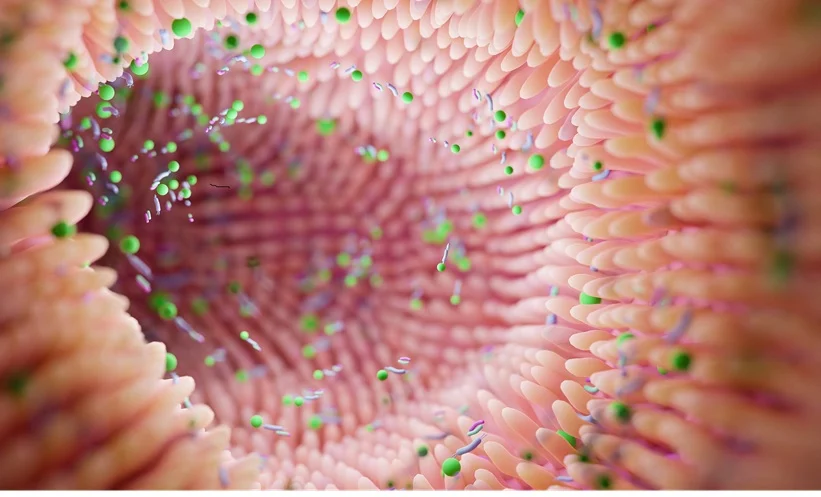
Fermented foods provide probiotics, which support gut health, improve digestion, and may positively affect blood sugar regulation. Fermentation also enhances flavor, reduces anti-nutrients, and increases B-vitamins and essential amino acids, contributing to overall metabolic health.
Tips for Enjoying Idlis and Dosas Safely
- Monitor Blood Sugar: Track your glucose levels after meals to understand your body’s response.
- Combine with Protein and Fiber: Include sambar or vegetable-based sides to slow carbohydrate absorption.
- Avoid Late-Night Consumption: Breakfast is ideal; consuming carbs early allows better metabolism throughout the day.
- Include Physical Activity: A short walk post-breakfast can help regulate post-meal blood sugar.
Conclusion
Idlis and dosas can be enjoyed without guilt by people living with diabetes. By making thoughtful ingredient choices, controlling portions, and pairing them with low-GI sides, these dishes can remain part of a healthy, balanced diet.
Fermentation improves digestibility and gut health, while using whole grains or millets increases fiber and protein, making the meal more diabetes-friendly.
Being mindful of cooking methods, meal timing, and accompaniments ensures that these traditional favorites do not compromise blood sugar control.
With awareness and simple adjustments, diabetics can continue to enjoy the taste and tradition of South Indian breakfasts while managing their condition effectively.
Also read: Huawei Nova Flip S & Nova 14 Lite Launch: Everything You Need to Know
FAQs of Can Diabetics Eat Idlis and Dosas Guilt-Free
1. Can diabetics eat idlis every day?
Yes, in moderation. Eating one or two idlis with protein-rich sambar or low-GI chutneys can be included daily without major blood sugar spikes. Portion control is key.
2. Are dosas healthier than idlis for diabetics?
Dosas can be equally healthy if minimal oil is used and the batter contains more lentils or millets. Proper cooking methods make dosas a diabetes-friendly option.
3. What are the best accompaniments for diabetic-friendly idlis and dosas?
Sambar, tomato chutney, or unsweetened coconut chutney are ideal. Avoid sweetened coconut or onion chutneys that can spike blood sugar.
4. Does fermented batter help control blood sugar?
Yes, fermentation reduces the glycaemic index, slows carbohydrate absorption, and supports gut health, all of which help regulate post-meal glucose levels.
5. Can I replace white rice with alternatives in idlis or dosas?
Absolutely. Brown rice, ragi, foxtail millet, or other whole grains can replace white rice, increase fiber, and make the meal more suitable for diabetes management.


gvdxsk