


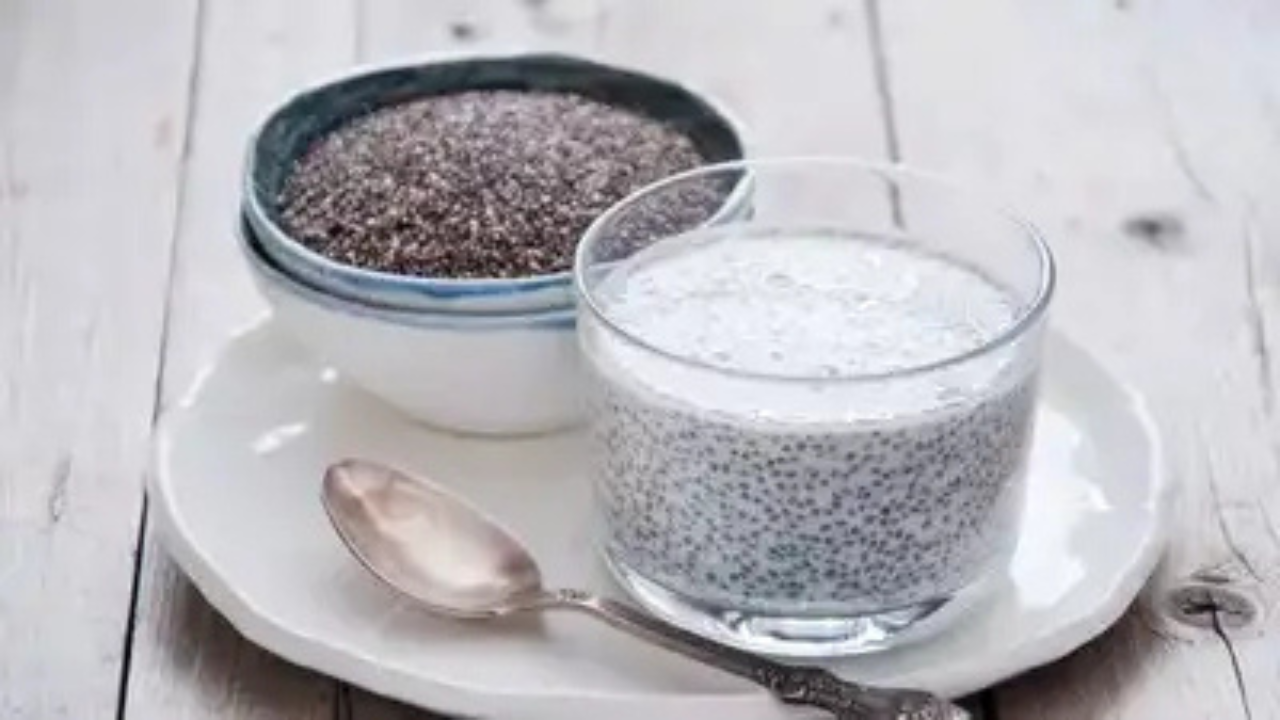
Chia Seeds with Milk Side Effects: Chia seeds have earned the title of a “superfood” for their rich nutritional profile, including fiber, omega-3 fatty acids, protein, and antioxidants. When paired with milk, they become a popular health drink for boosting energy, improving digestion, and supporting weight management. However, despite these benefits, consuming chia seeds with milk can cause side effects if not consumed mindfully.
Many people assume that superfoods are always safe, but chia seeds expand up to 10 times their size when exposed to liquid. This unique property, while beneficial for hydration and satiety, can pose certain risks when consumed incorrectly. Understanding these potential side effects is important to enjoy the health benefits of chia seeds without compromising safety.
Recent reports and research highlight that while chia seeds with milk are generally safe for most people, there are several risks to be aware of, ranging from minor digestive discomfort to more serious issues like choking or allergic reactions. Being aware of these risks helps individuals incorporate chia seeds safely into their diet.
Common Side Effects of Chia Seeds with Milk
1. Choking Hazard
Chia seeds absorb liquid and swell rapidly, forming a gel-like consistency. If dry chia seeds are swallowed without soaking, or if they expand in the throat, they can become a choking risk, particularly in children, the elderly, or people with swallowing difficulties.
Tip: Always soak chia seeds in milk or water for at least 20-30 minutes before consumption to reduce the risk of choking.
2. Digestive Discomfort
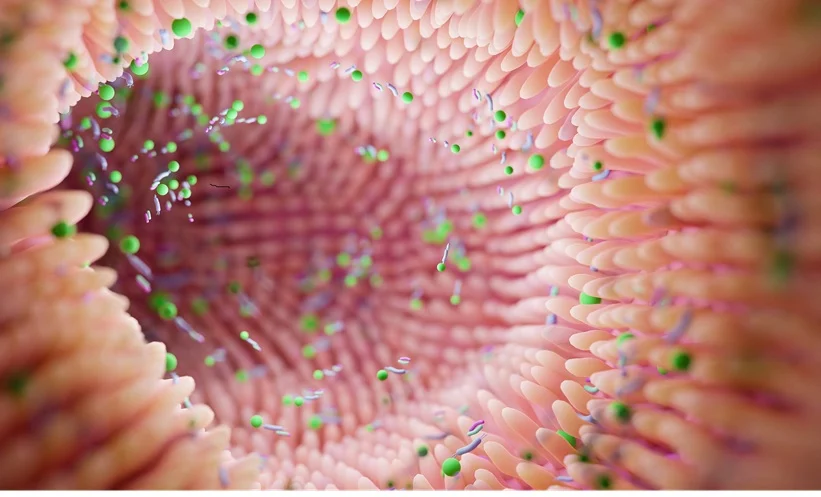
Chia seeds are high in fiber, which is excellent for digestive health. However, suddenly increasing fiber intake or consuming large amounts can cause:
- Bloating
- Gas
- Diarrhea or constipation
Combining chia seeds with milk may amplify digestive discomfort in people with lactose intolerance or sensitive stomachs.
Tip: Start with small amounts, such as 1 teaspoon per serving, and gradually increase to allow your digestive system to adjust.
Read about: These 3 Nutrients Improve Bone Health & Lower Fracture Risk, Study Shows
3. Allergic Reactions
Though rare, some individuals may be allergic to chia seeds. Symptoms can include:
- Itching or rash
- Swelling of lips or throat
- Difficulty breathing
People with nut or seed allergies should exercise caution and consult a doctor before consuming chia seeds.
4. Blood Pressure and Blood Sugar Effects
Chia seeds can lower blood pressure and influence blood sugar levels due to their fiber and omega-3 content. People on blood pressure medication or diabetes medication should monitor their intake and consult a healthcare provider.
5. Interaction with Medications
Chia seeds may interact with anticoagulants (blood thinners) and other medications due to their omega-3 content. Excessive intake could potentially increase the risk of bleeding.

Tips to Safely Consume Chia Seeds with Milk
- Soak Before Consuming: Soak chia seeds in milk for at least 20-30 minutes to prevent choking.
- Start Small: Begin with 1 teaspoon and gradually increase to avoid digestive issues.
- Monitor Reactions: Watch for allergic symptoms, especially if consuming for the first time.
- Balance Your Diet: Pair chia seeds with other nutrient-rich foods for optimal benefits.
- Consult a Doctor: If you have blood sugar, blood pressure, or medication concerns, speak to a healthcare professional before incorporating chia seeds regularly.
Conclusion
Chia seeds with milk are a nutritional powerhouse, offering fiber, protein, and omega-3 fatty acids that can enhance overall health. However, like all superfoods, they should be consumed mindfully. Awareness of side effects such as choking hazards, digestive discomfort, and rare allergic reactions ensures that these health benefits are maximized without risking safety.
By soaking seeds, starting with small amounts, and monitoring your body’s response, you can enjoy chia seeds with milk safely as part of a balanced diet. Proper use can help you harness their full potential — from improving digestion to supporting heart health and beyond.
Also read: SJICR Recruitment 2025 – 15 स्टाफ नर्स पदों के लिए आवेदन करें
FAQs Chia Seeds with Milk Side Effects
1. Can chia seeds cause choking?
Yes. Dry chia seeds can swell and expand rapidly in the throat if not soaked, creating a choking hazard. Always soak chia seeds in milk or water before consumption.
2. How much chia seeds should I consume with milk daily?
Start with 1 teaspoon (about 5 grams) and gradually increase to 1-2 tablespoons per day, depending on tolerance. Avoid excessive amounts to prevent digestive issues.
3. Can chia seeds with milk cause bloating or gas?
Yes. Chia seeds are high in fiber, which can cause bloating, gas, or diarrhea if introduced too quickly or consumed in large amounts. Gradually increase intake for best results.
4. Are chia seeds safe for people with allergies?
People with seed or nut allergies should exercise caution. Allergic reactions are rare but possible. Consult a doctor before consuming chia seeds for the first time.
5. Can chia seeds affect medications?
Chia seeds may interact with blood sugar, blood pressure, or anticoagulant medications due to their high fiber and omega-3 content. Speak to a healthcare professional before regular consumption if you are on these medications.