






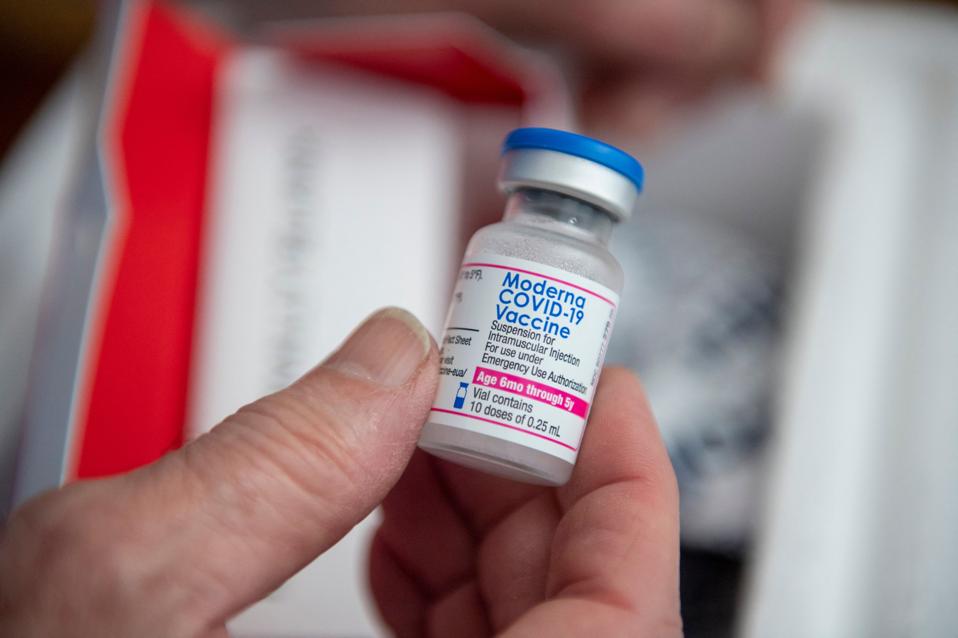
COVID Vaccines for 2025-2026: The COVID-19 pandemic has continued to evolve over the past several years, and with it, so have the vaccines designed to protect the public. In 2025, the U.S. Food and Drug Administration (FDA) approved new updated COVID vaccines aimed at providing enhanced protection against emerging variants of the virus. However, these updates have brought a mix of clarity and confusion for many Americans regarding who is eligible, which vaccines are available, and whether insurance will cover them. Understanding these details is crucial for anyone considering vaccination this year.
The new vaccines are designed to target the latest lineages of the virus, building on previous formulations to improve efficacy against the currently dominant variants. While past COVID vaccines were broadly available to all individuals six months and older, updated restrictions have narrowed eligibility, prioritizing those most at risk for severe illness. This has raised questions for parents, seniors, and younger adults alike about access, coverage, and protection.
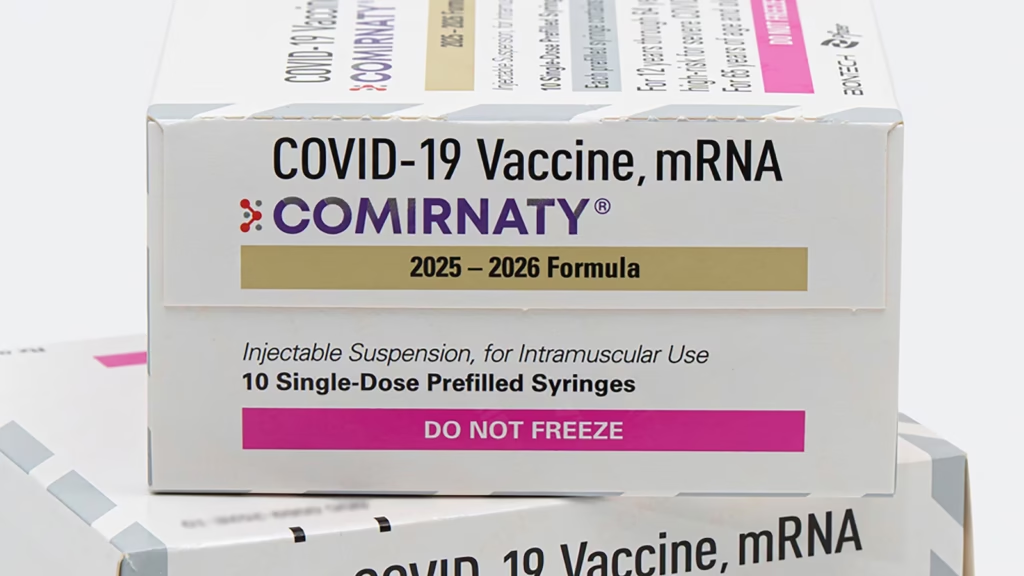
With multiple vaccine options now approved, the landscape can seem complicated. Moderna, Pfizer, and Novavax each offer updated formulations, targeting different age groups and employing unique technology platforms. The approval of these vaccines reflects ongoing efforts to adapt to new COVID-19 strains while balancing public health priorities, safety, and accessibility. Understanding these vaccines in detail can help individuals make informed decisions about their health and their families.
Overview of the 2025-2026 Updated COVID Vaccines
How Many Updated COVID Vaccines Are Available?
As of 2025, three updated COVID vaccines have received FDA approval for use in the United States:
- Moderna Vaccine: Approved for individuals six months of age and older.
- Pfizer Vaccine: Approved for individuals five years of age and older.
- Novavax Vaccine: Approved for individuals 12 years of age and older.
Each vaccine is designed to enhance protection against newer variants of COVID-19 and to offer additional flexibility for different age groups.
Targeted COVID Strains
The updated vaccines specifically target the JN.1 lineage, using the LP.8.1 strain—a descendant of the Omicron variant. Currently, the most prevalent strain in the U.S. is the XFG “Stratus” variant, which shares similarities with LP.8.1. Experts believe these updated vaccines should provide effective protection against this dominant strain, helping curb severe illness and hospitalizations.
Eligibility for the Updated COVID Vaccines
Who Can Get the Vaccine?
Eligibility has shifted compared to previous vaccine rollouts. The FDA now recommends vaccination primarily for:
- Adults 65 years and older
- Individuals six months and older with underlying high-risk medical conditions
This updated guidance means that healthy younger adults and children without risk factors may not qualify for routine vaccination.
Read about: WHO Declares Mpox No Longer a Global Health Emergency
High-Risk Conditions for Severe COVID
For individuals under 65, having a qualifying medical condition is essential to access the updated vaccine. As of early 2025, the CDC identified 22 high-risk conditions, including:
- Obesity
- Diabetes
- Cancer
- Asthma
- Depression
Pregnancy, which was previously a qualifying condition, has been revised; only high-risk pregnant individuals may now be eligible. The CDC’s Advisory Committee on Immunization Practices (ACIP) is scheduled to meet in September 2025 to clarify and update these guidelines.
Access and Insurance Coverage
Can Healthy Individuals Still Get the Vaccine?
For those not meeting FDA eligibility, vaccination is technically possible but comes with hurdles:
- Prescription Requirement: Adults may need a doctor’s prescription to receive the vaccine.
- Parental Consent for Children: Shared decision-making between parents and physicians is required for children to access the vaccine.
- Cost Considerations: The vaccine may cost around $150 out-of-pocket for uninsured individuals.
Approximately 27 million Americans lack health insurance, which could pose additional barriers to access. Moreover, some healthcare providers may hesitate to prescribe the vaccine “off-label” for healthy individuals outside the FDA-approved recommendations.
Insurance Coverage
Coverage largely depends on CDC and ACIP recommendations. Once formal guidance is issued following the September 2025 ACIP meeting, insurance providers will determine whether these vaccines are fully covered under existing plans. Individuals should check with their health insurance provider and local clinics to confirm coverage.
Also read: New 2026 Skoda Epiq Gears Up to Rival Renault 4 at Just £25,000
Conclusion
The 2025-2026 updated COVID vaccines represent an important advancement in public health, offering protection against evolving virus strains. With three vaccines available—Moderna, Pfizer, and Novavax—Americans now have multiple options depending on age and risk factors.
Eligibility changes have narrowed routine access, focusing on seniors and high-risk individuals, which may create challenges for healthy adults and children. Awareness of high-risk conditions and upcoming CDC guidance is essential for those considering vaccination.
Insurance coverage remains closely tied to official recommendations, making the upcoming ACIP meeting a pivotal event for determining accessibility and cost. While the vaccines are safe and effective, navigating eligibility, prescription requirements, and cost may require proactive planning.
Staying informed about vaccine availability, guidelines, and insurance coverage ensures individuals and families can make informed decisions to protect against COVID-19 and its evolving variants.
Frequently Asked Questions
1. How effective are the new 2025-2026 COVID vaccines?
The updated vaccines target the JN.1 lineage, which is closely related to the dominant XFG variant. Early studies suggest strong protection against severe illness, hospitalization, and potentially symptomatic infection. Effectiveness may vary depending on age, health status, and underlying conditions.
2. Can children receive the updated vaccines?
Yes, children are eligible depending on age and health risk. Pfizer is approved for those five years and older, Moderna for six months and older, and Novavax for 12 years and older. Children without high-risk conditions require parental consent and shared decision-making with a physician.
3. What conditions qualify as high-risk for severe COVID?
Currently, the CDC lists 22 conditions, including obesity, asthma, diabetes, cancer, and depression. High-risk pregnancy may also qualify, but the CDC is reviewing this guidance in 2025 for updates. Individuals should consult their healthcare provider for clarification.
4. Will insurance cover the updated vaccines?
Insurance coverage depends on CDC and ACIP recommendations. Once formal guidance is issued, most insurance plans will likely cover vaccines for eligible individuals. Those uninsured may need to pay out-of-pocket. Confirm coverage with your insurance provider before vaccination.
5. Can healthy adults without underlying conditions get vaccinated?
Healthy adults not meeting FDA eligibility can receive the vaccine with a prescription, but access may be limited. Challenges include obtaining a doctor’s prescription, potential out-of-pocket costs, and availability of providers willing to prescribe “off-label.”