Exercise Doesn’t Just Shape Your Body: Staying physically active is widely known to benefit the body, but new research suggests that exercise may also help keep the brain biologically younger. Beyond improving memory and thinking ability, regular physical activity appears to slow down age-related changes in the brain’s structure itself.
The latest findings from researchers at the AdventHealth Research Institute, in collaboration with the University of Pittsburgh, show that regular physical activity can make the brain appear younger at a biological level. These changes are not just theoretical but can be observed using advanced medical imaging techniques.
Exercise Linked to Measurable Changes in Brain Structure
The study examined whether exercise could directly influence the physical structure of the brain and whether these changes could be detected through brain scans. The findings were reported by Eating Well on Tuesday, January 27 (local time). To investigate this, researchers conducted a 12-month randomized, double-blind clinical trial involving 130 healthy adults aged between 26 and 58 years.
Participants were randomly divided into two groups. One group followed a structured aerobic exercise programme with moderate to high intensity, while the control group was asked to continue their usual daily activities without making any changes to their physical activity levels.
What the Exercise Programme Involved
Participants in the exercise group completed two supervised 60-minute aerobic sessions each week in a laboratory setting. In addition, they were encouraged to perform extra workouts at home so that their total weekly aerobic exercise reached approximately 150 minutes, in line with commonly recommended fitness guidelines.
Brain Scans and Fitness Tests Used in the Study
At both the beginning and end of the 12-month trial, participants underwent MRI scans to assess changes in brain structure. Researchers also evaluated participants’ cardiorespiratory fitness using a VO2peak test, which measures the maximum amount of oxygen the body can use during intense exercise.
Exercise Makes the Brain Look Younger

The results, published in the Journal of Sport and Health Science, revealed a clear contrast between the two groups after 12 months. Participants who engaged in regular aerobic exercise experienced a reduction in biological brain age, with their brains appearing on average 0.6 years younger compared to the start of the study.
Better Fitness, Younger Brain
In addition to improvements in brain age, the exercise group also recorded significant gains in physical fitness. The researchers found that participants who had better cardiorespiratory fitness levels at the beginning of the study tended to have younger-looking brains overall.
Study Limitations Acknowledged
Despite the promising findings, the researchers noted several limitations. The participants were generally healthy, educated volunteers, and the sample size was relatively small, which may limit how broadly the results can be applied. The COVID-19 pandemic also affected the study, as some participants had to complete portions of the exercise programme from home during periods of restricted movement.
Read about: Keep Your Kidneys Healthy Naturally: Add These 5 Foods to Your Daily Diet
Exercise Recommendations for Brain Health
Senior author and neurologist Kirk I. Erickson, Ph.D., said the findings reinforce the importance of meeting recommended physical activity levels. According to Erickson, engaging in at least 150 minutes of moderate to vigorous aerobic exercise per week can help keep the brain biologically younger, even later in life. He added that starting regular exercise in your 30s, 40s, or 50s may provide greater long-term benefits by giving the brain a stronger defence against age-related decline.
Small Steps Can Make a Big Difference
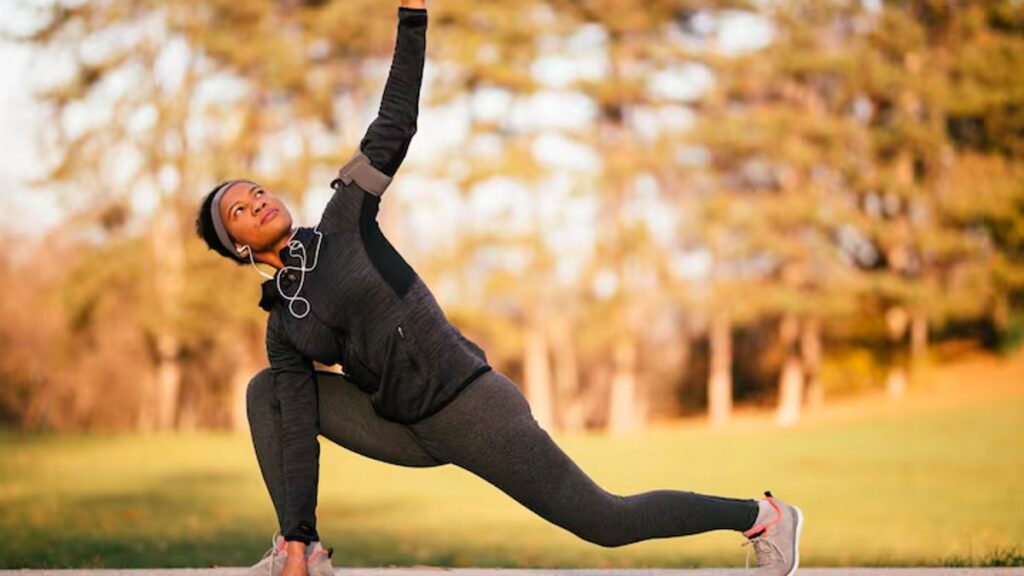
For those who have not yet met the 150-minute weekly exercise target, experts advise starting gradually. Simple changes such as taking short walks during the day, using stairs instead of elevators, or scheduling a few weekly gym sessions can help build consistency.
Activities like brisk walking, cycling, swimming, and dancing can all contribute to improved fitness when done regularly.