
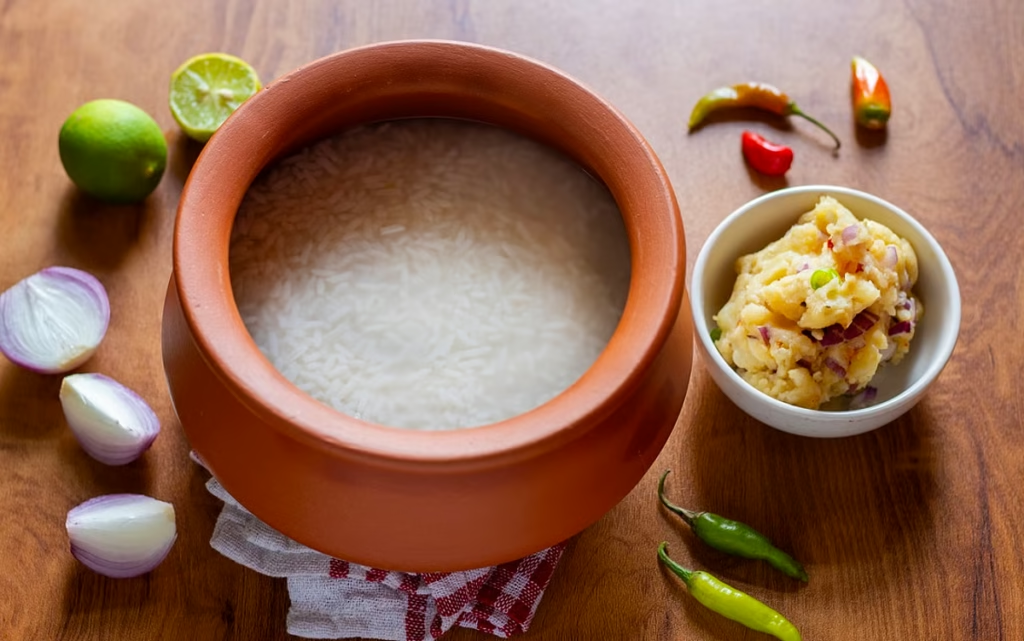
Farming the Gut: Iron deficiency remains one of the most common nutritional problems worldwide, especially in developing countries. Many people rely on iron supplements to address this issue, yet results are often inconsistent. In recent years, scientific research has begun to highlight an important factor that was often overlooked in the past: the gut microbiome. The microorganisms living in our digestive system play a major role in how nutrients, including iron, are absorbed and used by the body.
Interestingly, traditional diets that are commonly found in Indian households appear to support gut health in ways that improve iron absorption naturally. From fermented foods to fiber-rich grains and diverse spices, the “Indian pantry” functions almost like a natural laboratory for metabolic health. Instead of focusing solely on supplements, these diets work with the body’s biological systems, helping improve nutrient uptake through better digestion and microbial balance.
Highlights Of Farming the Gut
| Topic | Details |
|---|---|
| Main Focus | Traditional diets and gut health |
| Key Nutrient | Iron absorption |
| Problem Addressed | Iron deficiency and anemia |
| Core Concept | Gut microbiome improves nutrient absorption |
| Traditional Diet Benefits | Fermented foods, fiber-rich grains, spices |
| Scientific Insight | Gut bacteria influence iron metabolism |
| Health Impact | Better digestion, improved metabolic health |
Understanding Iron Deficiency and Its Global Impact
Iron deficiency affects millions of people globally and is a major cause of anemia, fatigue, and reduced immunity. Iron is essential for producing hemoglobin, which carries oxygen through the bloodstream. When the body lacks sufficient iron, oxygen transport becomes inefficient, leading to symptoms such as weakness, dizziness, and poor concentration.
Many healthcare systems address iron deficiency through standard iron supplementation programs. While supplements can be effective in some cases, they do not always produce long-term results. Some individuals experience side effects like stomach discomfort, constipation, or nausea, which may discourage consistent use. Recent studies suggest that the real issue may not always be a lack of iron intake but rather how the body absorbs and processes iron. This is where the role of gut health becomes crucial.
Also read: 17 High-Protein Snacks That Aren’t Cottage Cheese: Healthy and Delicious Options for Everyday Energy
The Role of the Gut Microbiome in Iron Absorption
The gut microbiome refers to the vast community of microorganisms living inside the digestive tract. These microbes influence digestion, immunity, metabolism, and even mental health. When it comes to iron, gut bacteria can either support or hinder absorption. Certain beneficial bacteria help convert nutrients into forms that the body can absorb more easily. Other microbes can compete for iron, reducing the amount available to the body.
A balanced microbiome improves nutrient bioavailability, meaning that vitamins and minerals consumed through food become more accessible to the body. This is why improving gut health can often lead to better nutritional outcomes than relying solely on supplements. Traditional diets rich in diverse ingredients naturally support this microbial balance.
Why Traditional Diets Support Better Iron Utilization
Traditional food systems evolved over centuries and were shaped by local agriculture, climate, and cultural practices. These diets often include whole grains, legumes, fermented foods, vegetables, and spices, which provide a wide variety of nutrients and beneficial compounds.
Unlike processed foods, traditional meals usually contain dietary fiber and natural probiotics that support gut bacteria. These components help create an environment where beneficial microbes can thrive.
For example, foods like fermented rice dishes, yogurt-based preparations, and naturally fermented batters provide probiotics that strengthen digestive health. When the gut environment is healthy, the body becomes more efficient at extracting nutrients such as iron from everyday foods.
The Indian Pantry as a Natural Health Laboratory
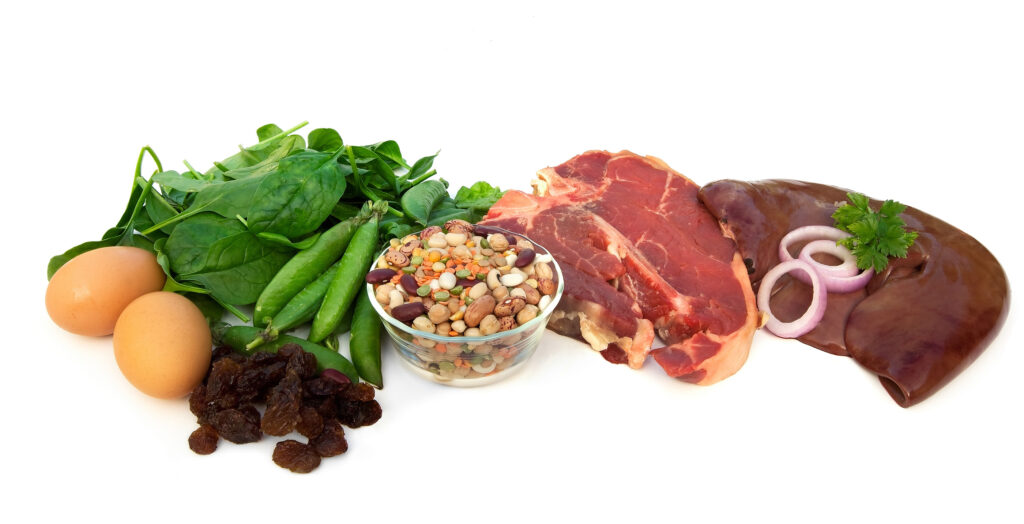
The typical Indian kitchen pantry contains a remarkable variety of ingredients that contribute to metabolic health. Many of these foods work together to support digestion and nutrient absorption. Spices such as turmeric, cumin, coriander, and ginger contain bioactive compounds that aid digestion and reduce inflammation in the digestive tract. These spices not only enhance flavor but also contribute to gut health.
Whole grains like millets, brown rice, and whole wheat provide fiber that nourishes beneficial gut bacteria. Legumes and pulses supply plant-based iron along with protein and essential minerals. Fermented foods commonly used in traditional diets introduce beneficial bacteria that improve gut balance. Over time, these practices create a dietary system that supports the body’s ability to absorb nutrients naturally.
Fermented Foods and Their Impact on Nutrient Absorption
Fermentation is one of the oldest food preservation techniques, and it plays a significant role in improving digestive health. During fermentation, microorganisms break down complex compounds in food, making nutrients easier for the body to absorb. This process can also reduce substances that interfere with mineral absorption.
For instance, fermentation can reduce phytates, compounds found in grains and legumes that sometimes inhibit iron absorption. By lowering phytate levels, fermented foods allow the body to access more iron from the same ingredients. In addition, fermented foods introduce probiotic bacteria, which help maintain a healthy balance of microbes in the digestive system. A well-balanced microbiome improves digestion, strengthens immunity, and supports overall metabolic function.
Fiber-Rich Foods and Gut Health
Dietary fiber is another essential component of traditional diets that contributes to improved iron absorption. Fiber acts as a prebiotic, meaning it serves as food for beneficial gut bacteria. When these microbes break down fiber, they produce compounds that help maintain a healthy digestive environment.
A healthy gut lining and balanced microbial community make it easier for nutrients to pass through the intestinal wall into the bloodstream. Traditional diets that include whole grains, vegetables, legumes, and seeds naturally provide the fiber needed to sustain this microbial ecosystem.
Why Supplements Alone May Not Solve the Problem
Iron supplements can be useful in certain situations, particularly for individuals with severe deficiency. However, they may not address the underlying factors affecting nutrient absorption. When gut health is compromised, the body may struggle to absorb iron efficiently even if supplements are consumed regularly. Additionally, excessive iron supplementation can sometimes disrupt the balance of gut microbes.
This highlights the importance of a holistic approach to nutrition. Instead of focusing only on individual nutrients, modern health strategies are increasingly recognizing the importance of dietary patterns that support overall digestive health.
Integrating Traditional Diet Wisdom With Modern Nutrition
The growing understanding of the gut microbiome has created a bridge between traditional dietary practices and modern scientific research. By studying traditional food systems, researchers are discovering how diverse diets support metabolic health and prevent nutritional deficiencies. These findings suggest that the future of nutrition may involve combining modern medical knowledge with traditional food wisdom.
Encouraging diverse diets rich in whole foods, fermented ingredients, and natural spices can help improve gut health and enhance nutrient absorption. Public health programs addressing iron deficiency may benefit from incorporating dietary education that emphasizes traditional food diversity and gut health.

Pingback: Navratri Fasting Foods: Smart Swaps to Eat Healthy and Avoid Hidden Calories – texaskhabar.in