



Millets Up, Sugar Down: Non-communicable diseases (NCDs) such as diabetes, hypertension, and obesity continue to pose a growing public health challenge in India. With lifestyle changes, rising urbanization, and dietary shifts, the prevalence of these conditions has surged over the past decade. In response, the Indian Council of Medical Research (ICMR) has released new dietary guidelines aimed at preventing and managing NCDs. The nationwide study highlights how small but strategic adjustments in daily diet—reducing sugar, moderating carbohydrates, and increasing protein—can play a pivotal role in improving public health outcomes.
Contrary to popular belief, the study found that the type of staple carbohydrate, whether rice or wheat, does not significantly affect the risk of obesity or diabetes when overall protein intake is adequate. This dispels the widely held notion that wheat is inherently healthier than rice. The research underscores that dietary balance, rather than preference for a particular grain, is crucial in maintaining optimal metabolic health. By emphasizing protein-rich foods and incorporating millets, individuals can significantly lower their risk of developing NCDs while promoting overall wellness.
ICMR’s findings also draw attention to regional dietary patterns. In Northeastern states, where rice consumption is high, a concurrent sufficient intake of protein appears to keep rates of obesity and diabetes in check. However, researchers caution that excessive protein, particularly from animal sources, could strain kidney function, highlighting the need for balanced dietary planning. The report advocates for incremental changes—such as reducing carbohydrates by five percent and replacing them with high-quality protein—to effectively combat lifestyle-related diseases.
Findings of the ICMR Study
1. Carbohydrate Intake and NCD Risk
The study suggests that reducing overall carbohydrate intake by approximately 5% and substituting it with protein can help control the risk of non-communicable diseases. This approach helps in stabilizing blood sugar levels, improving satiety, and promoting healthier body weight.
2. Rice vs. Wheat: The Real Impact
Contrary to common perceptions, the study found no significant difference in diabetes or obesity risk between individuals consuming rice versus wheat, as long as protein intake is adequate. This finding encourages a more flexible approach to staple food choices, allowing individuals to focus on nutrient balance rather than eliminating a particular grain.
3. Role of Millets
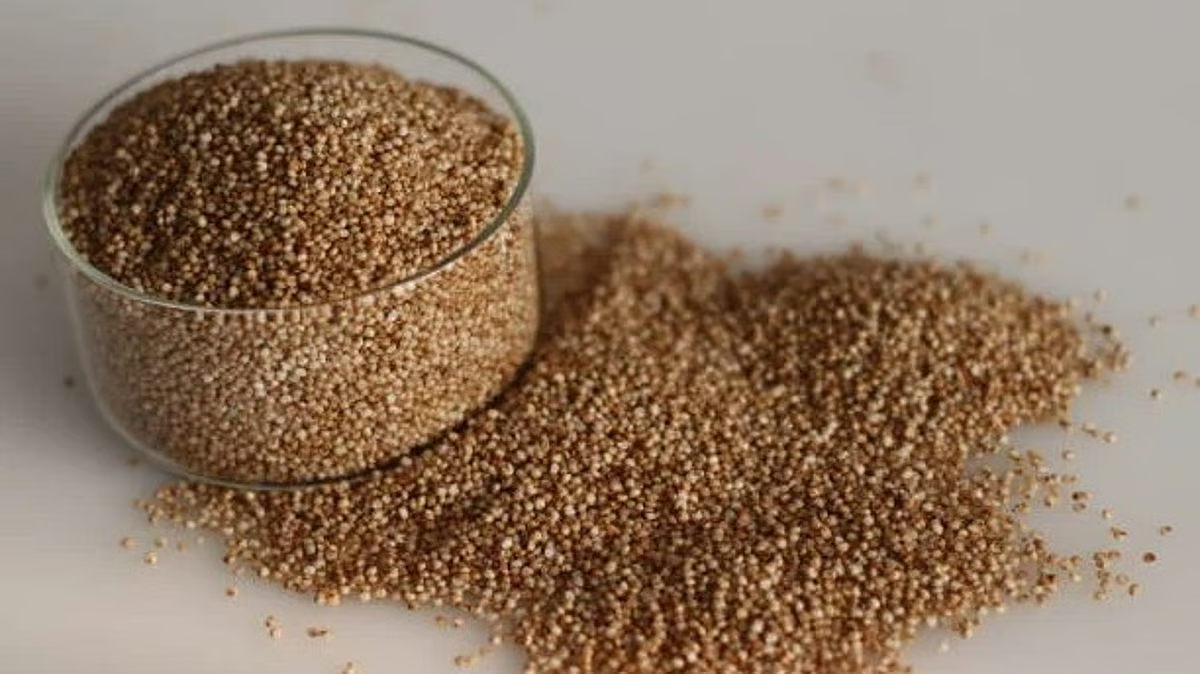
Millets, being high in fiber, vitamins, and minerals, are encouraged as part of the diet. They help improve digestion, maintain stable blood sugar levels, and provide essential micronutrients. Regular millet consumption, alongside adequate protein, is seen as an effective strategy to reduce NCD risk.
4. Regional Dietary Insights
In regions where rice is a major staple, particularly in the Northeast, protein intake appears to counterbalance the potential adverse effects of high carbohydrate consumption. Balanced diets in these regions correlate with lower rates of obesity and diabetes, reinforcing the principle that diet quality matters more than the type of staple consumed.
Read about: Scientists Finally Reveal Biological Basis of Long COVID Brain Fog
5. Caution Against Excess Protein
While protein is essential for metabolic health and weight management, excessive intake, particularly from animal sources, may compromise kidney health. The report emphasizes moderation and encourages a mix of plant-based and lean animal protein sources.
Practical Recommendations for a Heart-Healthy, NCD-Preventive Diet
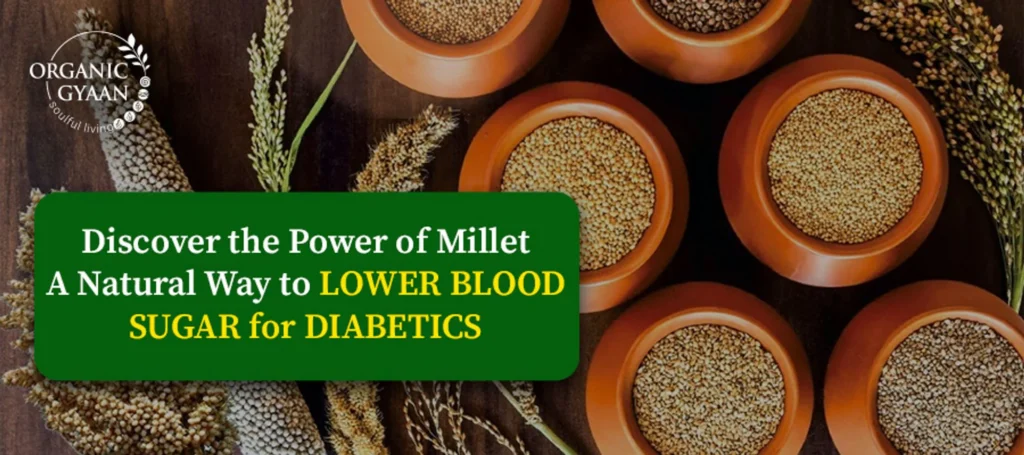
- Increase Millets: Replace a portion of rice or wheat with millets such as foxtail, pearl, or finger millet.
- Moderate Carbohydrates: Reduce carbohydrate intake by 5% and replace it with high-quality protein.
- Prioritize Protein: Include eggs, fish, lean poultry, legumes, and dairy to maintain muscle mass and support metabolic health.
- Reduce Added Sugar: Limit consumption of sugary beverages, desserts, and processed snacks to prevent insulin spikes.
- Focus on Balanced Meals: Incorporate vegetables, whole grains, nuts, and seeds for fiber and micronutrients.
- Mindful Portion Control: Pay attention to serving sizes to prevent overconsumption, even of healthy foods.
Conclusion
The ICMR’s latest study offers actionable insights for preventing and managing non-communicable diseases through diet. The findings clearly indicate that staple food choice—rice or wheat—matters less than the overall nutritional balance and protein intake. By incorporating millets, moderating sugar, and ensuring sufficient protein, individuals can significantly reduce their risk of obesity, diabetes, and hypertension.
Dietary interventions should be gradual and sustainable, emphasizing moderation over drastic restrictions. Small, incremental changes, such as replacing refined carbohydrates with high-fiber grains and introducing lean protein sources, can have a profound long-term impact on metabolic health.
Regional dietary habits also provide valuable lessons, showing that even high carbohydrate consumption can be counterbalanced with adequate protein intake. This reinforces the importance of a holistic approach to nutrition, focusing on balance and quality rather than simplistic food swaps.
Ultimately, public health strategies must encourage widespread awareness of these principles, promoting dietary patterns that support long-term health, prevent NCDs, and improve quality of life. A millet-rich, protein-balanced, low-sugar diet is not just a recommendation—it’s a practical roadmap for a healthier India.
Also read: TOI Medithon 2025: Expert Insights on Heart Health Across Generations
FAQs
1. Does eating rice increase diabetes risk more than wheat?
No. According to ICMR’s study, rice and wheat have similar impacts on diabetes and obesity when overall protein intake is sufficient. The focus should be on balanced nutrition rather than choosing one grain over another.
2. How can millets help in preventing non-communicable diseases?
Millets are high in fiber, vitamins, and minerals, which help regulate blood sugar, improve digestion, and provide essential nutrients. Incorporating millets in daily meals reduces the risk of obesity, diabetes, and hypertension.
3. How much should carbohydrate intake be reduced for NCD prevention?
ICMR recommends reducing total carbohydrate intake by around 5% and replacing it with high-quality protein to help stabilize blood sugar and improve metabolic health.
4. Can excessive protein harm health?
Yes. While protein is important, excessive intake, especially from animal sources, can strain kidney function. Moderation is key, and a balance of plant-based and lean animal proteins is ideal.
5. What is the best approach to maintain a heart-healthy, NCD-preventive diet?
A balanced diet rich in millets, vegetables, whole grains, and high-quality protein, along with low sugar intake, mindful portions, and regular physical activity, forms the foundation of a heart-healthy, NCD-preventive lifestyle.