




Rheumatoid Arthritis Awareness Day 2026: Rheumatoid Arthritis Awareness Day, observed every year on February 2, focuses on spreading awareness about rheumatoid arthritis (RA), a chronic autoimmune disease that primarily affects the joints but can also impact overall health and quality of life. Unlike age-related arthritis, RA occurs when the immune system mistakenly attacks healthy joint tissues, leading to pain, swelling, stiffness, and long-term joint damage if left unmanaged.
With advances in medical treatment, people with RA are living fuller and more active lives. However, medication alone is not enough. Lifestyle choices—especially diet—play a crucial supportive role in managing inflammation, maintaining joint mobility, and improving overall well-being. While no diet can cure RA, the right foods can help reduce inflammation, while certain foods may worsen symptoms and flare-ups.
On Rheumatoid Arthritis Awareness Day 2026, here is a simple, science-backed guide on what to eat and what to avoid for healthier joints.
Why Diet Matters in Rheumatoid Arthritis
Inflammation is the driving force behind RA symptoms. Certain foods can either calm or trigger inflammatory responses in the body. A balanced, nutrient-rich diet helps:
- Reduce joint inflammation and pain
- Support immune function
- Maintain healthy body weight (reducing stress on joints)
- Protect heart and bone health, which are often affected in RA
Eating mindfully can make daily life with RA more comfortable and manageable.
Also read: Maruti Fronx 2026 Hybrid Set to Shake Up Compact SUV Market
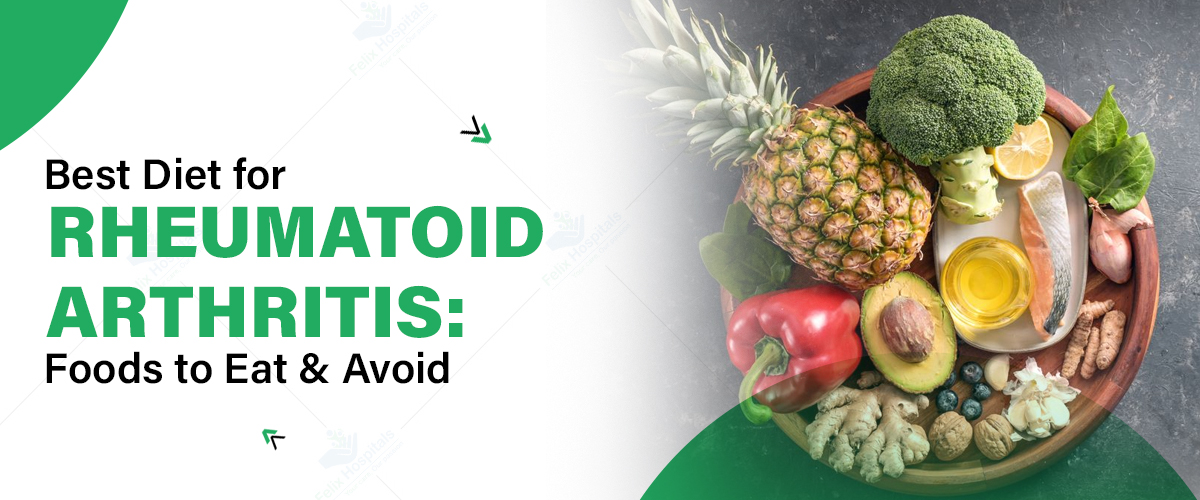
Best Foods for Rheumatoid Arthritis
1. Beans
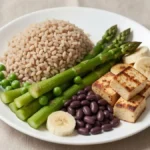
Beans such as lentils, kidney beans, chickpeas, and black beans are rich in fibre and plant-based protein. Fibre helps reduce levels of C-reactive protein (CRP), a key marker of inflammation in the body. Beans also provide iron, magnesium, and potassium, supporting muscle strength, immunity, and heart health.
2. Broccoli and Leafy Greens
Broccoli, spinach, kale, and collard greens are nutritional powerhouses. They are rich in vitamins A, C, and K, which help protect cells from oxidative stress. Broccoli also contains sulforaphane, a compound known to fight inflammation. The calcium in leafy greens supports bone strength, which is especially important for people on long-term RA medications.
3. Cherries and Berries
Cherries contain anthocyanins, antioxidants responsible for their deep red colour and strong anti-inflammatory effects. These compounds may help reduce joint pain and swelling. Similar benefits are found in blueberries, strawberries, and raspberries.
4. Citrus Fruits
Oranges, lemons, limes, and grapefruits are rich in vitamin C, which supports immune health and helps neutralise free radicals that contribute to inflammation. Vitamin C also plays a role in collagen production, essential for maintaining cartilage and joint tissues.
5. Fatty Fish
Fatty fish such as salmon, sardines, tuna, and mackerel are excellent sources of omega-3 fatty acids, which are among the most studied nutrients for RA. Omega-3s help reduce joint stiffness, swelling, and pain, while also supporting heart health—important because RA increases cardiovascular risk.
6. Nuts and Plant-Based Omega-3 Sources
For those who do not eat fish, walnuts, flaxseeds, chia seeds, soybeans, and canola oil provide plant-based omega-3 fatty acids. These fats help regulate inflammation and support joint flexibility when consumed regularly in moderation.
7. Green Tea
Green tea contains polyphenols, powerful antioxidants that may help slow cartilage damage and reduce inflammatory activity. Drinking green tea daily can be a gentle and natural way to support joint health over time.
8. Extra-Virgin Olive Oil
Extra-virgin olive oil is rich in anti-inflammatory polyphenols, including oleocanthal, which works similarly to mild anti-inflammatory medications. Using it as the primary cooking oil or salad dressing can benefit both joints and heart health.
9. Whole Grains
Whole grains such as brown rice, oats, quinoa, and whole wheat are high in fibre and help reduce inflammation markers like CRP. They also aid in weight management, reducing pressure on painful joints.
10. Red Peppers
Red peppers are packed with vitamin C, sometimes even more than citrus fruits. Vitamin C supports collagen formation, helping maintain strong cartilage, tendons, and ligaments around the joints.
11. Canned Salmon
Canned salmon (especially with soft bones) provides omega-3 fatty acids, calcium, and vitamin D. This combination supports both joint and bone health, reducing the risk of osteoporosis often associated with RA.
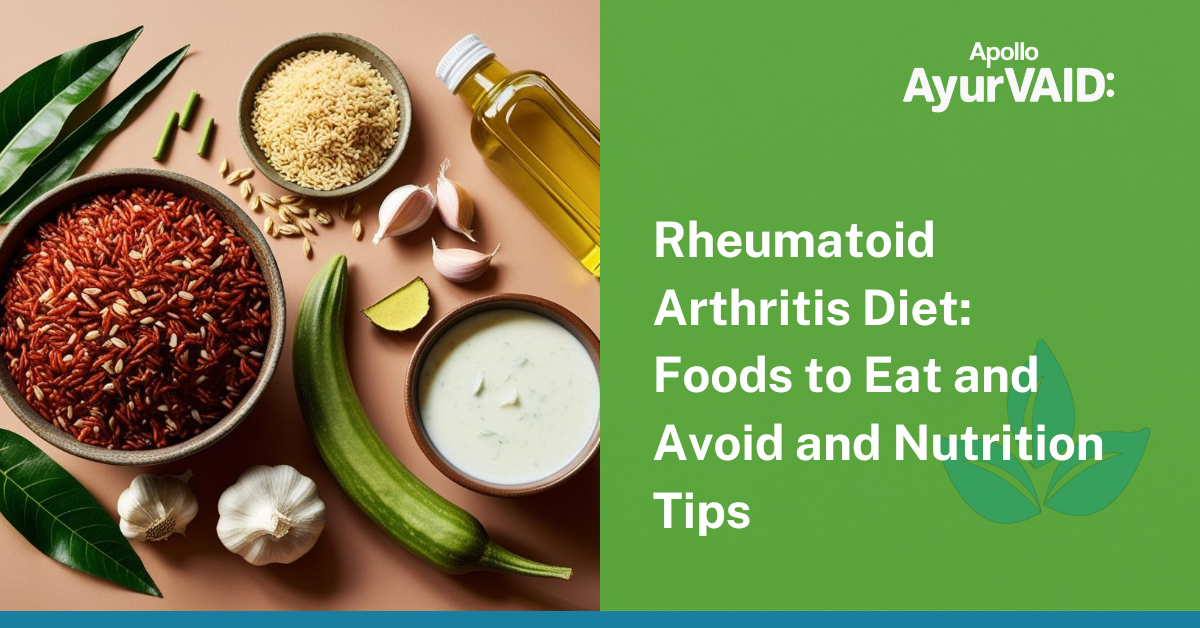
Foods to Avoid with Rheumatoid Arthritis
1. Processed Foods
Packaged snacks, instant meals, and processed foods are high in salt, sugar, and unhealthy fats, all of which promote inflammation. Regular consumption can also lead to weight gain and increased heart disease risk.
2. Red Meat and Processed Meats
Red meat and processed meats like sausages and bacon contain high levels of saturated fats and preservatives, which may worsen inflammation and negatively affect heart health.
3. Fried Foods
Fried foods are high in unhealthy fats and excess omega-6 fatty acids, which can trigger inflammatory pathways when consumed frequently.
4. Refined Sugars and Carbohydrates
Sugary drinks, sweets, white bread, and refined flour products quickly raise blood sugar levels, triggering the release of inflammatory chemicals called cytokines, which can worsen RA symptoms.
5. Excess Salt
High sodium intake can worsen fluid retention, particularly in people taking steroid medications for RA. Reducing salt helps manage joint swelling and supports blood pressure control.
6. Alcohol
Alcohol can interfere with RA medications and increase inflammation. Limiting or avoiding alcohol may help keep symptoms better controlled and reduce liver-related risks.
Read about: Deadly Nipah Virus Triggers Asia-Wide Alert After Fatal Cases in India: What You Need to Know
Final Thoughts
On Rheumatoid Arthritis Awareness Day 2026, it is important to remember that managing RA is not only about medication—it is about making informed daily choices. A balanced, anti-inflammatory diet can support medical treatment, reduce flare-ups, and improve quality of life.
Eating smart, staying active, managing stress, and following medical advice together create a strong foundation for healthier joints and better long-term outcomes. Small changes on the plate today can lead to meaningful relief tomorrow.



2 thoughts on “Rheumatoid Arthritis Awareness Day 2026: Know What To Eat And What To Avoid For Healthier Joints”