
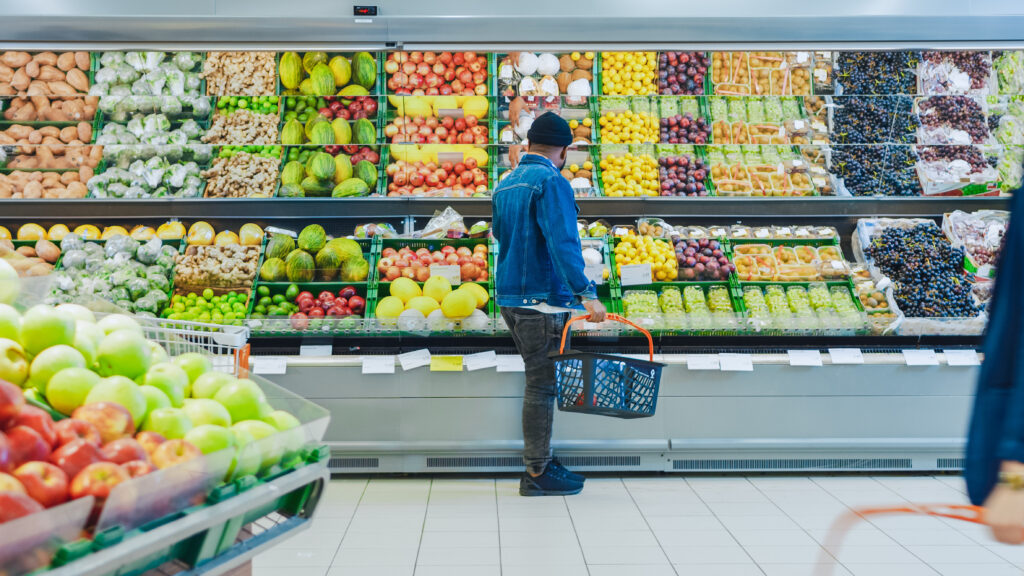
Recent survey insights from Provoke Insights highlight a powerful shift in consumer mindset. Today’s shoppers want food that feels real, simple, and trustworthy. While demand for healthier options continues to rise, skepticism toward packaged food claims is also increasing. Many consumers now question ingredient lists, nutrition promises, and marketing language, pushing brands to adopt clearer and more honest communication strategies. For grocery retailers, this marks a turning point where trust, transparency, and authenticity are becoming just as important as price and availability.
Health Is Now the Primary Filter for Food Purchases
Healthy eating has moved from being a trend to becoming a core everyday priority. Consumers are actively choosing foods that help maintain steady energy levels, improve overall wellness, and support long-term health goals.
Generational Differences in Healthy Eating Behavior
Different age groups are approaching healthy eating in unique ways, shaping how brands must market products.
Baby Boomers
- Focus on reducing sugar and sodium
- Avoid artificial ingredients
- Choose health-focused indulgent foods
Millennials
- Lead demand for organic and natural foods
- Prefer minimally processed products
Gen Z
- Most skeptical about health claims
- Less influenced by traditional health marketing
Intentional Food Choices Are Expanding Across Categories
The shift toward healthier living is not limited to one product category. It is spreading across snacks, fresh produce, and packaged foods.
Snacking Trends
Snacking remains popular, but consumers want balance between indulgence and nutrition.
Top Healthy Snack Preferences:
- High-protein snacks (top choice for many shoppers)
- Reduced sugar snacks
- Whole-ingredient indulgent snacks
Also read: New Nokia 1100 (2026) Launches at Just ₹2,500 – India’s Most Affordable Classic Phone Returns
Produce Section Sees Rising Demand for Transparency
Fresh produce is becoming a major trust battleground. Consumers want clarity about:
- Where fruits and vegetables are grown
- Farming practices used
- Pesticide usage details
- Organic certification authenticity
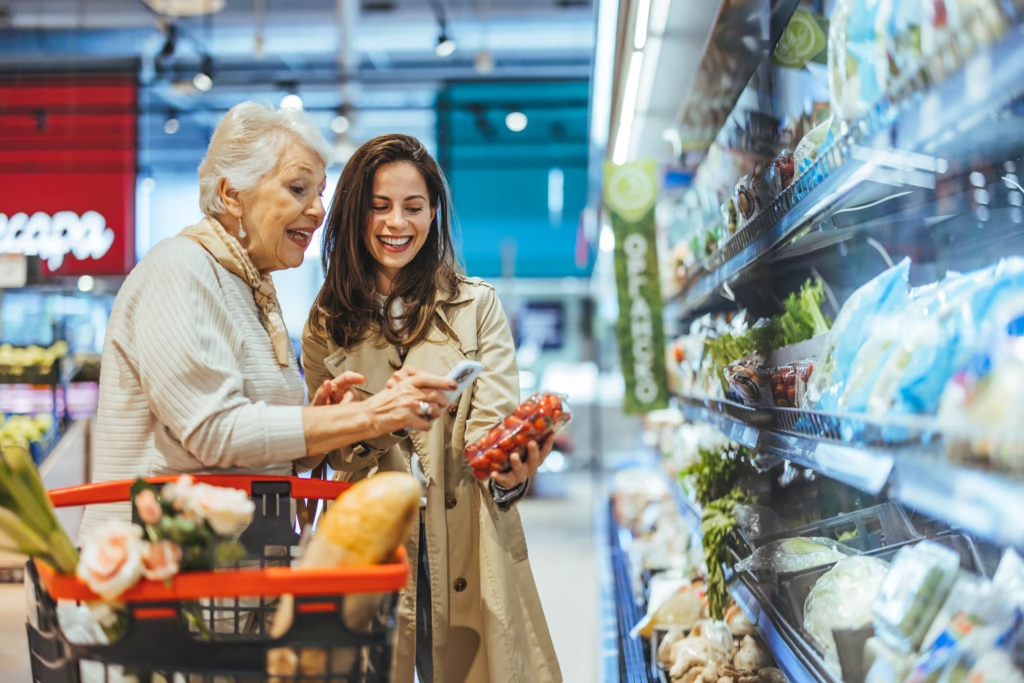
Price Awareness Is Increasing But Quality Still Wins
Rising grocery prices are shaping shopping behavior, but not eliminating health-focused purchasing.
Consumer Price Behavior Trends
- Majority of shoppers have noticed price increases recently
- Older shoppers are monitoring grocery spending closely
- Families and suburban households are becoming more price conscious
However, despite price pressure:
- Most shoppers are still willing to pay more for high-quality ingredients
- Many upgrade products if health benefits are clear and trustworthy
This shows health value can override price sensitivity when communication is strong.
Trust Has Become the Biggest Competitive Factor
Modern shoppers are questioning food claims more than ever. Confusing labels and vague marketing language are increasing distrust.
Major Trust Challenges
- Doubts about artificial flavor claims
- Confusion around additive-free labeling
- Lack of clear sourcing explanations
Gen Z shows the highest skepticism levels, forcing brands to simplify and clarify messaging.
Survey Methodology Overview
The insights are based on a nationwide online survey of 1,500 U.S. consumers aged 21–65. The sample was structured to represent population demographics including income, gender, geography, and family status. The study carries a margin of error of approximately ±2.5% at a 95% confidence level.
Shoppers Are Redefining Healthy Eating FAQs
1. Why are shoppers becoming more focused on healthy eating?
Growing health awareness, lifestyle diseases, and access to nutrition information are driving more intentional food choices.
2. What is the most important health factor for shoppers today?
Protein is currently one of the most influential health attributes influencing purchase decisions.
3. Are shoppers willing to pay more for healthy food?
Yes, many consumers are willing to pay more if they trust the product quality and health benefits.
4. Why is trust becoming important in food marketing?
Confusing labels and misleading claims have increased consumer skepticism, making transparency essential.