‘Soft Cardio’ Is Taking Over Fitness: Every few months, the fitness world rediscovers a familiar concept and repackages it as the latest viral trend. Earlier this year, social media platforms especially fitness TikTok revived interest in Zone 2 cardio, a moderate-intensity workout known for fat-burning benefits while still allowing you to hold a conversation.
Soft cardio is essentially low-intensity cardiovascular exercise performed in a way that keeps the heart rate slightly elevated without putting excessive strain on muscles, joints, or the nervous system. According to Dr. Irvin Sulapas, sports medicine physician and associate professor at UTHealth Houston, the term may be trending now, but the concept itself is far from new.
Why Soft Cardio Is Becoming So Popular
Modern fitness culture often glorifies high-intensity workouts like HIIT training, CrossFit, or marathon-level endurance training. While these methods deliver results, they can also increase stress levels and injury risk if overdone.
Soft Cardio vs Zone 2 Cardio: What’s the Difference?
Soft cardio is often confused with Zone 2 cardio, but they are not the same.
Zone 2 Cardio
- 60–70% of maximum heart rate
- Often called the fat-burning zone
- Slightly breathless but can still talk
Soft Cardio (Zone 1 Range)
- Around 40–60% of maximum heart rate
- Very comfortable breathing
- Can talk normally without effort
Also read: Huawei Mate 80 GTS Spotted in Certification Leak – New Colours Hint at Upcoming Gaming Flagship
Major Benefits of Soft Cardio
1. Supports Active Recovery
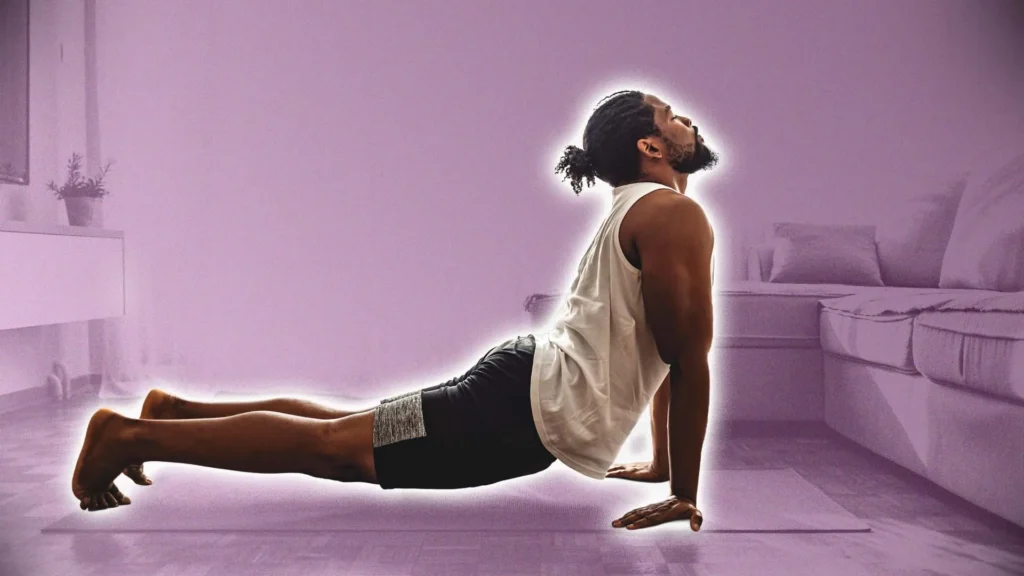
Instead of complete rest days, soft cardio allows gentle movement that promotes muscle recovery and blood circulation. Dr. Sulapas explains that doing soft cardio on rest days can help recovery without adding stress to joints or muscles.
2. Improves Workout Consistency
Consistency is the biggest factor in fitness success. Soft cardio provides a low-barrier way to stay active even on low-energy days. Marshall says sustainable fitness is what truly changes lives. When workouts feel enjoyable rather than exhausting, people are more likely to stick to them long term.
3. Ideal for Beginners or Comebacks
Soft cardio is perfect for:
- Beginners starting fitness journeys
- People returning after illness or injury
- Those restarting exercise after long breaks
4. Helps With Fat Loss (Even If Slower)
Although Zone 2 burns fat more efficiently, soft cardio still contributes to calorie burning and fat loss over time. Dr. Sulapas points to low-impact walking as an effective fat-burning tool. Walking may burn calories slower than running, but longer duration can equal similar total calorie burn.
5. Boosts Mental Health and Stress Control
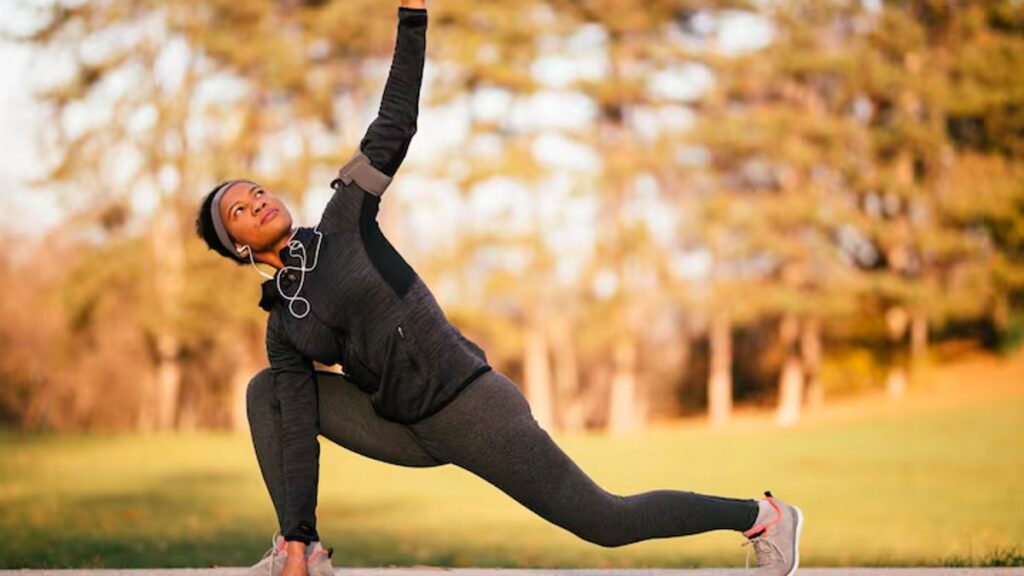
Unlike intense workouts that spike cortisol (stress hormone), soft cardio can promote relaxation. Marshall notes that gentle exercise is ideal for reducing stress and improving recovery. Outdoor soft cardio adds extra mental health benefits through fresh air, sunlight exposure, and nature interaction.
How To Do Soft Cardio Correctly
Soft cardio is less about the exercise type and more about maintaining the correct intensity level.
How Much Soft Cardio Should You Do?
General fitness guidelines suggest:
- 150 minutes/week moderate exercise
If doing only soft cardio:
- Around 300 minutes/week
- Roughly 30–45 minutes daily
If combining with HIIT or strength training:
- 1–2 soft cardio sessions weekly may be enough
The exact amount depends on fitness goals and overall activity levels.
Why Experts Call Soft Cardio the “Missing Piece”
Many people push hard workouts but neglect recovery and sustainable movement.
Soft cardio fills this gap by:
- Supporting recovery
- Reducing injury risk
- Improving long-term consistency
- Making exercise feel enjoyable
Marshall says when movement feels good, people stick to it and that is what truly drives long-term health.
Who Should Try Soft Cardio?
Soft cardio is especially useful for:
- Beginners
- Older adults
- People with joint issues
- Injury recovery patients
- Highly stressed individuals
- Athletes needing recovery sessions
Read about: Keto Diet May Prevent Weight Gain—but at a Metabolic Cost, Study Warns
FAQ’s About Soft Cardio
1. Is soft cardio effective for weight loss?
Yes. While it burns calories more slowly than high-intensity workouts, soft cardio supports steady fat loss over time, especially when done consistently and paired with a balanced diet.
2. Can I replace all my workouts with soft cardio?
You can, especially if you are a beginner or recovering from injury. However, for optimal fitness results, it’s best to combine soft cardio with strength training or moderate-intensity workouts for balanced health benefits.