Struggling to Gain Weight: While weight loss often dominates health conversations, a significant number of people face the opposite challenge gaining weight in a healthy and sustainable manner. For individuals with a high metabolism, genetic predisposition, poor appetite, or underlying health issues, putting on weight can be just as frustrating as losing it.
Many people assume that eating junk food, sugary snacks, and fried items is the quickest way to gain weight. While this approach may lead to an increase on the weighing scale, most of that gain comes from unhealthy fat accumulation, not muscle. Over time, this can increase the risk of lifestyle diseases rather than improve overall health.
Health experts stress that healthy weight gain requires a structured approach, focusing on a calorie surplus built through balanced meals, quality protein, complex carbohydrates, and healthy fats, paired with strength or resistance training. When done correctly, weight gain can enhance muscle mass, strength, immunity, and overall well-being.
This detailed 7-day healthy weight gain diet plan is designed to help adults add weight gradually and safely. The plan emphasises nutrient-dense foods, adequate protein intake, and consistent eating habits to support long-term results rather than quick fixes.
Weight Gain Diet Plan
A successful weight gain diet focuses on foods that are calorie-dense yet nutrient-rich. These foods provide energy while also supplying essential vitamins, minerals, and macronutrients needed for muscle growth and recovery.
1. Nutrient-Dense Protein Sources
Protein is the foundation of muscle development. For anyone aiming to gain weight healthily, adequate protein intake is non-negotiable.
Key protein sources include:
- Lean meats such as chicken, turkey, and lean beef, which provide high-quality protein for muscle repair
- Fatty fish like salmon, tuna, and mackerel, rich in omega-3 fatty acids that support muscle recovery and reduce inflammation
- Eggs, a complete protein source that is affordable and versatile
- Dairy products such as milk, cheese, and yoghurt, which offer protein, calcium, and healthy fats
- Plant-based proteins including lentils, chickpeas, tofu, quinoa, and soybeans, which also supply fibre and essential minerals
Experts recommend including a protein source in every main meal and most snacks to support consistent muscle gain.
2. Healthy Fats for Effective Weight Gain
Fats are the most calorie-dense macronutrient, making them particularly useful for people who struggle to eat large portions.
Healthy fat sources include:
- Avocados, nuts, and seeds such as almonds, walnuts, chia seeds, and flaxseeds
- Nut butters like peanut butter and almond butter, which can be added easily to meals and smoothies
- Healthy oils such as olive oil and coconut oil, which can be drizzled over cooked food
Adding healthy fats boosts calorie intake without excessive food volume. These fats also support heart health, brain function, hormone balance, and nutrient absorption, making them an essential part of a balanced weight gain plan.
3. Complex Carbohydrates to Fuel Muscle Gain
Carbohydrates provide the energy required for workouts and daily activities. Rather than refined carbs, experts advise focusing on complex carbohydrates, which release energy slowly and support stable blood sugar levels.
Best options include:
- Whole grains like brown rice, oats, barley, and quinoa
- Starchy vegetables such as potatoes, sweet potatoes, and squash
- Legumes including beans, lentils, and peas
When combined with protein and healthy fats, complex carbohydrates help support muscle recovery and sustained energy throughout the day.
4. High-Calorie, Nutrient-Dense Snacks
For individuals with a small appetite, snacks play a crucial role in increasing total daily calorie intake.
Recommended snack options include:
- Greek yoghurt with granola and fruits for protein and probiotics
- Smoothies made with milk, fruits, nut butter, and protein powder
- Trail mix, protein bars, or whole-grain crackers with hummus
These snacks are easy to consume and align with a healthy nutrition plan focused on quality calories.
7-Day Healthy Weight Gain Diet Plan (Chart)
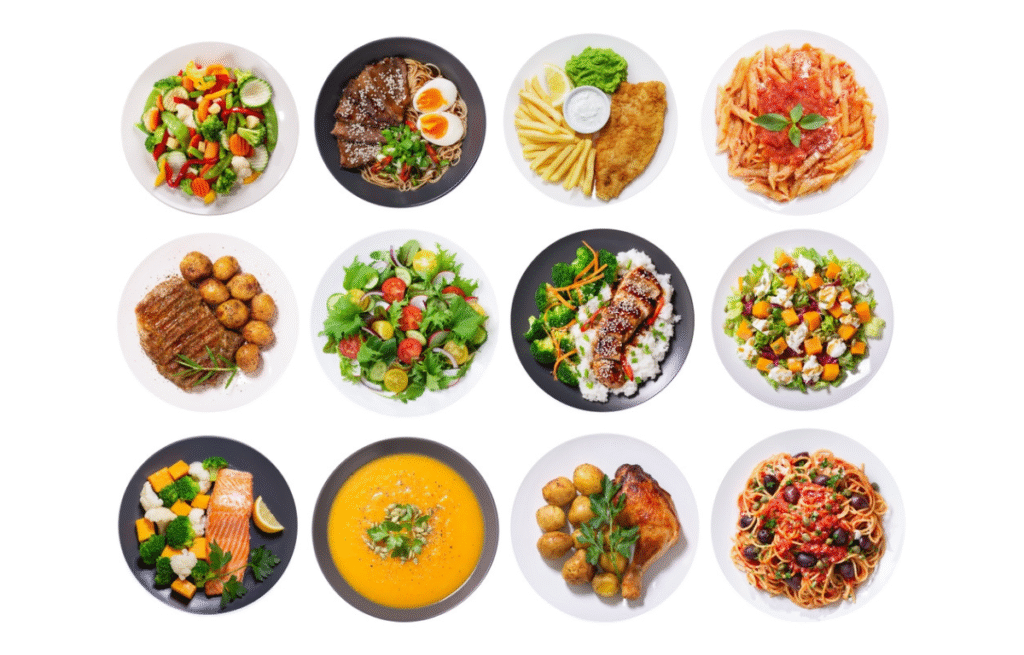
This 7-day weight gain diet chart provides a structured meal plan featuring calorie-rich, protein-dense foods. Portion sizes and additions such as extra ghee, nuts, or dairy should be adjusted based on individual calorie needs and medical advice.
Day 1
- Breakfast: Cottage cheese stuffed flatbread with butter and full-fat milk
- Mid-Morning Snack: Mixed dry fruits
- Lunch: Lentil curry, cumin rice, mixed vegetable curry, yoghurt
- Afternoon Snack: Banana smoothie with peanut butter
- Dinner: Chicken curry with whole wheat bread and sautéed greens
- Evening Snack: Cashews and dates
Day 2
- Breakfast: Spiced oats with clarified butter and boiled eggs
- Snack: Flattened rice with peanuts
- Lunch: Kidney bean curry, brown rice, cucumber yoghurt
- Snack: Chickpea salad
- Dinner: Fish curry with multigrain bread and vegetables
- Snack: Roasted lotus seeds
Day 3
- Breakfast: Gram flour pancakes, yoghurt, banana milkshake
- Snack: Sprouts salad
- Lunch: Chicken biryani, yoghurt, sautéed greens
- Snack: Mixed nuts and jaggery
- Dinner: Lentil soup, cumin rice, okra stir-fry
- Snack: Peanut brittle and turmeric milk
Day 4
- Breakfast: Finger millet pancakes, coconut chutney, vegetable stew
- Snack: Buttermilk and pistachios
- Lunch: Spinach and cottage cheese curry, whole wheat bread, vegetable pilaf
- Snack: Sweet yoghurt with jaggery
- Dinner: Egg curry with multigrain bread
- Snack: Walnuts and figs
Day 5
- Breakfast: Semolina porridge with cashews, mango smoothie
- Snack: Boiled chickpeas
- Lunch: Lentil curry, buttered bread, vegetable salad
- Snack: Peanut butter toast
- Dinner: Lamb curry with rice and cucumber salad
- Snack: Dark chocolate and almonds
Day 6
- Breakfast: Lentil pancakes with cottage cheese, full-fat milk
- Snack: Yoghurt with flaxseeds
- Lunch: Chickpea curry, whole wheat bread, mixed greens
- Snack: Roasted peanuts and jaggery
- Dinner: Grilled fish with brown rice and vegetables
- Snack: Coconut fudge and warm milk
Day 7
- Breakfast: Stuffed potato flatbread with butter, sweet yoghurt
- Snack: Chia pudding with dry fruits
- Lunch: Soybean curry, whole wheat bread, cumin rice
- Snack: Spiced lotus seeds and raisins
- Dinner: Lentil stew, vegetable pilaf, yoghurt
- Snack: Mixed nuts and saffron milk
Also Read: Weigh Less: The Smart Weight-Loss Trick That Helps You Feel Full on Fewer Calories
Foods to Avoid While Trying to Gain Weight
Refined Sugars and Sweets
Sugary foods may increase weight quickly but mostly lead to fat gain and metabolic issues.
Fried and Processed Foods
These foods are high in unhealthy fats and sodium, increasing inflammation and heart disease risk.
Low-Quality Carbohydrates
White bread, white rice, and sugary cereals lack fibre and nutrients essential for healthy weight gain.
Alcohol
Alcohol adds empty calories, disrupts digestion, and interferes with muscle recovery.
Common Weight Gain Mistakes
- Skipping meals or long gaps between eating
- Relying on junk food instead of nutrient-dense meals
- Ignoring protein intake and strength training
- Avoiding medical consultation when weight loss is unexplained
FAQs Of 7-Day Healthy Diet Plan
1. How many extra calories do I need to gain weight?
About 300 to 500 extra calories per day above your normal intake is usually enough for healthy weight gain.
2. How fast should I gain weight?
Aim for 0.25 to 0.5 kg per week for steady, healthy progress.
3. Is exercise necessary for weight gain?
Yes. Strength training helps you gain muscle instead of unwanted fat.