


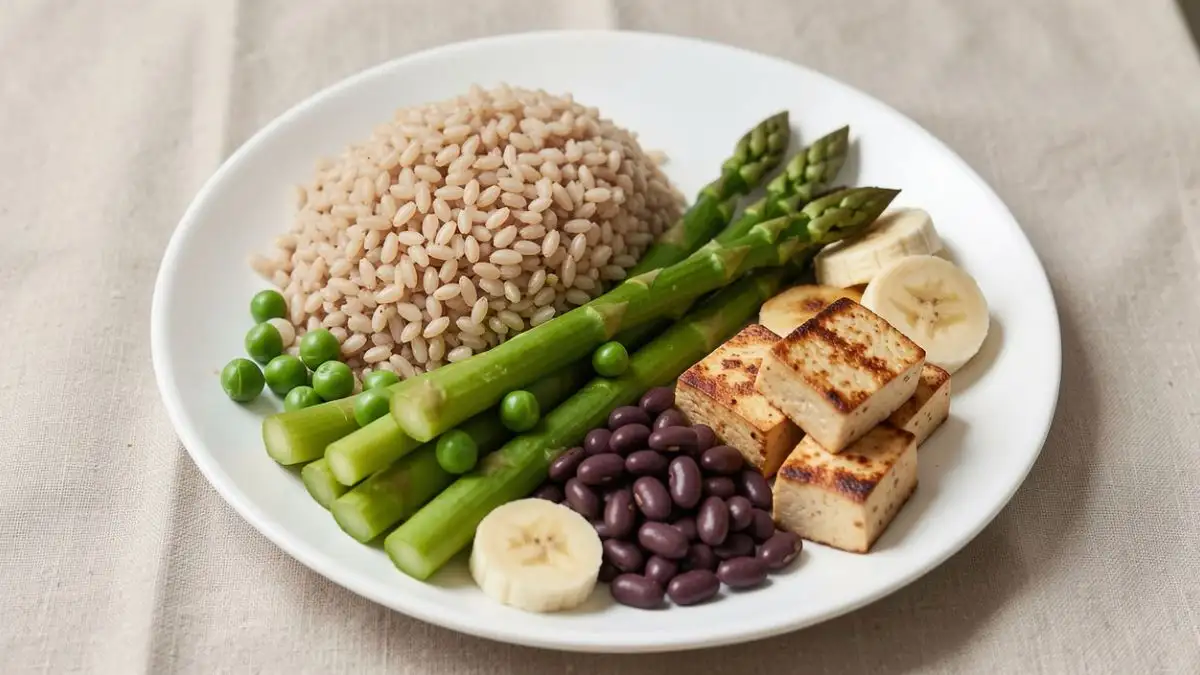
Sugar, Protein and “Superfoods”: Nutrition is a crucial pillar of cancer care, yet it remains one of the most misunderstood aspects of treatment. From WhatsApp forwards and social media videos to advice from well-meaning relatives, people undergoing cancer treatment are often flooded with conflicting information about what they should or should not eat. Much of this advice sounds reassuring, but is rarely backed by strong scientific evidence.
“As a medical oncologist, I often see patients arrive already fearful of food,” says Dr Sneha Kommineni, Consultant – Medical Oncology, Aster RV Hospital, Bengaluru. “This anxiety is largely driven by misinformation, partial scientific interpretations, anecdotal success stories, and unverified online claims. Unfortunately, this can lead to unnecessary and sometimes harmful dietary restrictions during cancer treatment.”
Experts stress that good nutrition during cancer is not about following extreme rules or miracle diets, but about supporting the body through a demanding phase of illness and recovery.
Cancer Isn’t Just Genetic: Lifestyle and Diet Play a Role
A common misconception is that cancer is purely genetic and that lifestyle changes have little impact. While genetics do play a role in certain cancers, the majority are influenced by environmental and lifestyle factors, including diet, physical activity, and exposure to harmful substances.
Migration studies provide strong evidence of this link. When populations move from one country to another, their cancer patterns often begin to resemble those of the host country within a generation. This shift highlights the powerful role of diet, lifestyle, and environment in cancer risk, progression, and recovery.
Myth 1: Sugar Causes Cancer and Must Be Completely Avoided
One of the most widespread beliefs is that sugar “feeds” cancer and should be eliminated entirely. While it is true that cancer cells use glucose for energy, so do healthy cells, including those in the brain, muscles, and immune system.
“There is no scientific evidence that completely cutting out sugar can stop cancer growth,” Dr Kommineni explains. “On the contrary, eliminating all carbohydrates can lead to weight loss, weakness, fatigue, and muscle wasting, which are particularly dangerous during treatment.”
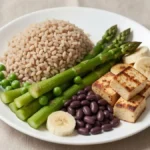
The recommended approach is balance, not elimination. Patients are encouraged to limit refined sugars and highly processed foods, while including complex carbohydrates such as whole grains, fruits, vegetables, and legumes that provide energy, fibre, and essential nutrients.
Also read: Yamaha EC-06
Myth 2: Protein Feeds Tumours
Protein is often wrongly portrayed as harmful during cancer treatment. In reality, it plays a vital role in healing and recovery.
Adequate protein intake helps:
- Repair tissues damaged by chemotherapy, radiation, or surgery
- Maintain muscle mass and strength
- Support immune function
- Reduce the severity of treatment-related side effects
A low-protein diet can worsen fatigue, increase complications, and slow recovery. Cancer patients are therefore advised to include suitable protein sources such as lentils, dairy products, eggs, fish, lean meat, nuts, and seeds, based on individual tolerance and preferences.
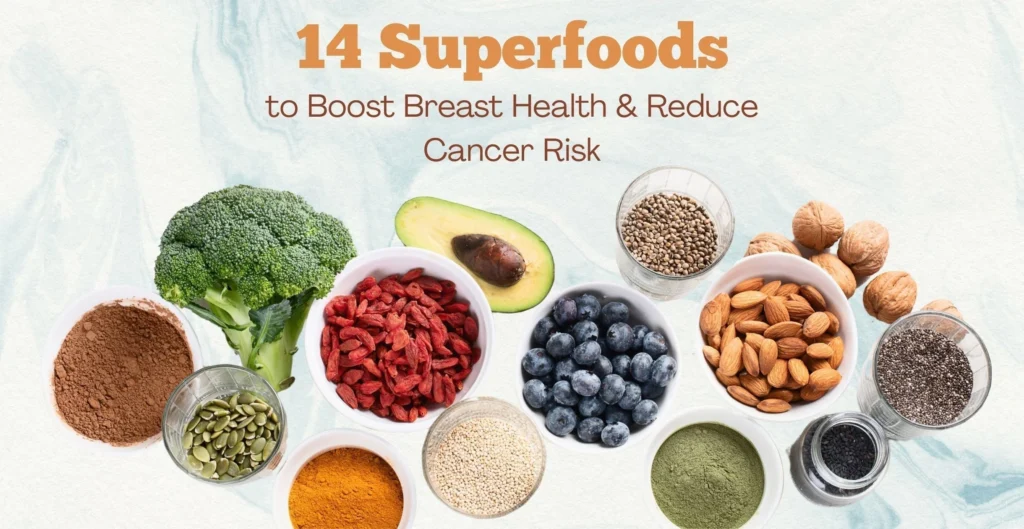
Myth 3: A Single “Superfood” or Special Diet Can Cure Cancer
From turmeric and alkaline diets to juice cleanses and fasting regimens, the idea that a single food or special diet can cure cancer is persistent—but misleading.
“There is no one food or diet that can treat or cure cancer,” says Dr Kommineni. Cancer treatment typically requires a comprehensive medical approach, which may include surgery, chemotherapy, radiation therapy, targeted therapy, or immunotherapy.
Extreme dietary practices, such as prolonged juice fasts or highly restrictive diets, can deprive the body of essential nutrients. This may weaken patients, interfere with treatment tolerance, and negatively affect outcomes rather than improve them.
Myth 4: Loss of Appetite Means Eating Less Is Fine
Loss of appetite is a common side effect of cancer and its treatment. However, consistently eating less can lead to malnutrition, weakness, and muscle loss, making it harder for the body to cope with treatment.
Instead of forcing three large meals, patients are often advised to:
- Eat small, frequent meals throughout the day
- Choose energy-dense and protein-rich foods
- Use smoothies, fortified foods, or medical nutrition supplements when solid food is difficult to tolerate
This flexible approach helps ensure adequate calorie and protein intake even when appetite is poor.
Why Restrictive Diets Can Do More Harm Than Good
Cancer treatment places significant stress on the body. Adding unproven or highly restrictive diets can further increase this burden, especially when patients are already dealing with fatigue, weight loss, nausea, and muscle wasting.
Calories and protein are not optional during treatment—they are essential. Poor nutrition can lead to treatment delays, increased side effects, longer recovery times, and reduced quality of life.
Read about: Rheumatoid Arthritis Awareness Day 2026
There Is No Single “Cancer Diet”
Experts agree that there is no universal cancer diet that works for everyone. The most effective approach is one that is balanced, flexible, and personalised, guided by oncologists and trained oncology dietitians.
“Good nutrition during cancer is about supporting the body, not fighting the disease through food alone,” Dr Kommineni emphasises. Being cautious of miracle claims and relying on evidence-based advice can make a meaningful difference to treatment tolerance, recovery, and overall well-being.
In the end, the goal of cancer nutrition is simple: to help patients stay strong, maintain their health, and give their bodies the best possible support while medical treatment does its work.


One thought on “Sugar, Protein and “Superfoods”: What Really Matters in Nutrition During Cancer Treatment”