






The Medical Minute: Tom Murphy, a 54-year-old from East Petersburg, Pennsylvania, was driving home from Myrtle Beach, South Carolina, last summer when a persistent cough led his friend to urge him to see a doctor. What started as a routine medical visit turned into a life-changing diagnosis. During the checkup, Murphy’s physician noticed a subtle lump on the left side of his neck—a finding that would soon be confirmed as thyroid cancer.
Many individuals like Murphy often overlook early symptoms of thyroid cancer, mistaking them for minor health issues or attributing them to aging. Dr. Emily Funk, head and neck surgical oncologist at Penn State Health Otolaryngology – Head and Neck Surgery, emphasizes, “It’s always worth getting evaluated because the earlier you identify thyroid cancer, the easier it is to treat.”
Thyroid cancer cases are expected to rise, with the American Cancer Society estimating that by the end of 2025, approximately 44,020 Americans will have been or will be diagnosed, and around 2,290 deaths will be attributed to this disease. September marks Thyroid Cancer Awareness Month, an opportune time to learn about symptoms, diagnosis, treatment, and prevention strategies.
What Is Thyroid Cancer?
The thyroid is a butterfly-shaped gland located in the front of your neck, just below the Adam’s apple. It plays a crucial role in regulating body temperature and metabolism by secreting essential hormones. Thyroid cancer occurs when thyroid cells mutate and multiply uncontrollably, forming tumors.
Types of Thyroid Cancer:
- Papillary Thyroid Cancer – The most common type, accounting for 80% of cases, and generally highly treatable. This was Murphy’s diagnosis.
- Follicular Thyroid Cancer – Accounts for about 10% of cases. It tends to spread, making treatment more complicated.
- Medullary Thyroid Cancer – Less than 5% of cases, affecting the thyroid’s C cells, which regulate calcium levels.
- Anaplastic Thyroid Cancer – Represents 2% of thyroid cancers and is particularly aggressive, growing and spreading rapidly.
Who Is at Risk?
Though relatively uncommon, thyroid cancer is one of the most frequently diagnosed cancers among young adults. The average age at diagnosis is 51 years old, but cases in teenagers, people in their 30s, 40s, and 50s are not unusual.
- Gender: Thyroid cancer is three times more common in women than in men.
- Race: It’s 40%-50% less common in Black individuals compared to other racial and ethnic groups.
- Risk Factors: High radiation exposure, inherited genetic mutations, and family history of thyroid disease are significant risk factors.
Recognizing the Symptoms of Thyroid Cancer
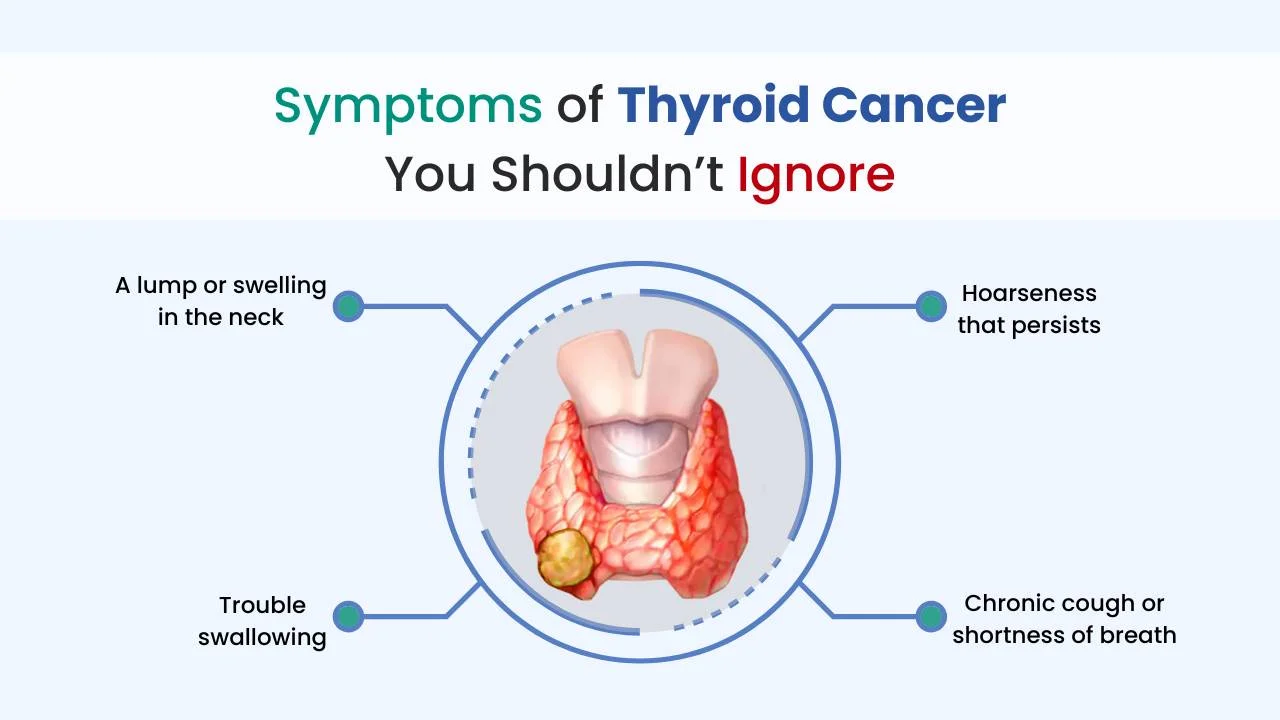
The most common and recognizable symptom is a painless lump or swelling in the neck. Other symptoms may include:
- Hoarseness or voice changes
- Difficulty swallowing
- Persistent cough not explained by other conditions
- Unexplained fatigue or discomfort in the neck area
Murphy’s case exemplifies how subtle symptoms are often overlooked until a routine checkup brings them to light. Many thyroid tumors are incidentally detected during X-rays or CT scans for unrelated medical issues.
How Is Thyroid Cancer Diagnosed?
Once a suspicious nodule is identified, the diagnostic process involves:
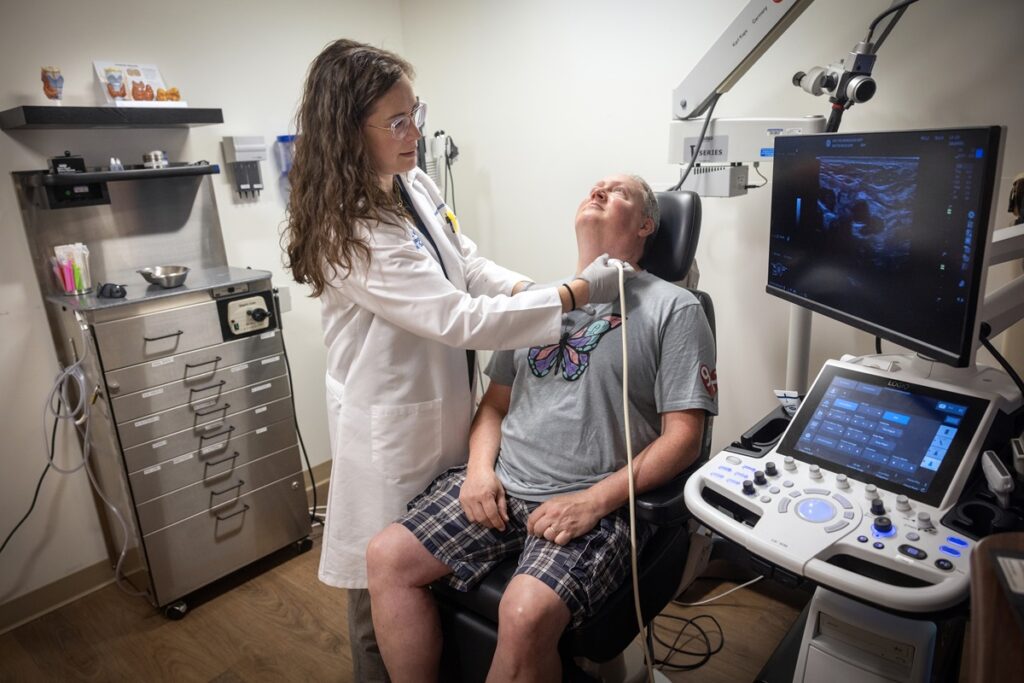
- Ultrasound Imaging: To visualize the nodule more clearly.
- Fine Needle Aspiration Biopsy: A small sample of cells is collected and analyzed to determine whether the growth is benign or malignant.
Early diagnosis improves treatment outcomes significantly.
Read about: The Largely Unregulated Space of Home Health Care in India: Challenges and the Way Forward
Treatment Options for Thyroid Cancer
Surgery
Thyroid cancer treatment typically begins with surgery:
- Lobectomy: Removal of one side of the thyroid for small cancers.
- Total Thyroidectomy: Removal of the entire thyroid gland, especially when the cancer is larger or aggressive.
Murphy underwent total thyroid removal along with the removal of 44 lymph nodes due to the cancer’s spread.
Post-surgery, patients receive thyroid hormone replacement therapy to regulate metabolism and, in some cases, calcium supplements if the parathyroid glands are affected.
Radioactive Iodine Treatment
For cases where the cancer has spread, radioactive iodine is used to destroy remaining cancer cells. This ensures tiny malignant cells left behind don’t grow further.
Targeted Chemotherapy and Immunotherapy
Aggressive forms of thyroid cancer, such as anaplastic types, may require advanced treatments including chemotherapy or immunotherapy to target cancer cells more effectively.
Preventive Measures and Awareness
Early detection remains key. Routine checkups, especially if there’s a family history or other risk factors, can aid in timely diagnosis. Dr. Funk urges patients to report any persistent symptoms and not dismiss lumps or unexplained discomfort in the neck.
Ongoing research, including studies from Penn State College of Medicine, continues to improve patient safety and outcomes by investigating factors contributing to post-surgery complications, such as low calcium levels linked to certain medications and prior bariatric surgeries.
Conclusion
Thyroid cancer, while often treatable when detected early, remains a serious health concern due to its subtle symptoms and potential for progression. The story of Tom Murphy emphasizes that ignoring minor neck abnormalities or dismissing persistent coughs could delay diagnosis and complicate treatment.
Awareness during Thyroid Cancer Awareness Month is vital. Patients must understand their risk factors, symptoms, and the importance of routine medical evaluations. Early intervention through surgery, radioactive iodine therapy, and medication can save lives and significantly improve quality of life.
As research continues to advance treatment protocols and prevention strategies, empowering patients with knowledge remains one of the most effective defenses against thyroid cancer.
Also read: Actuaries Warn Rising Medicare Costs Threaten Long-Term Sustainability
FAQs The Medical Minute
1. What are the common symptoms of thyroid cancer?
The most common symptom is a painless lump in the neck. Other signs include persistent hoarseness, difficulty swallowing, and unexplained fatigue or neck discomfort. Often, tumors are detected during unrelated imaging tests.
2. Who is at higher risk for thyroid cancer?
Women are three times more likely to develop thyroid cancer than men. It’s also less common in Black individuals. Risk factors include high radiation exposure, family history of thyroid issues, and certain genetic mutations.
3. How is thyroid cancer diagnosed?
Diagnosis typically involves an ultrasound to visualize the nodule, followed by a fine needle aspiration biopsy to analyze whether the growth is benign or malignant. Early detection is key to effective treatment.
4. What are the treatment options for thyroid cancer?
Primary treatment involves surgery (lobectomy or total thyroidectomy). Additional treatments may include radioactive iodine therapy, thyroid hormone replacement, calcium supplements, targeted chemotherapy, or immunotherapy depending on cancer severity.
5. Can thyroid cancer be prevented?
There is no sure way to prevent thyroid cancer, but regular medical checkups and early evaluation of neck lumps or voice changes can lead to early detection. Avoiding excessive radiation exposure and understanding family history can also help.