
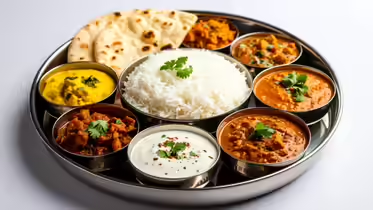
Many people believe their daily Indian diet is healthy, especially when it includes home-cooked meals and traditional recipes. However, certain common desi foods that we consume regularly may quietly contribute to high cholesterol levels, increasing the risk of heart disease. Even foods that seem harmless or nutritious can have hidden fats, oils, or cooking methods that impact your health.
Cholesterol issues are becoming increasingly common in India, largely due to dietary habits and lifestyle changes. Understanding how everyday foods affect your body is crucial for maintaining heart health. In this article, we explore some popular desi foods that may raise cholesterol and what you can do to make healthier choices.
Highlights Think Your Diet Is Healthy
| Aspect | Details |
|---|---|
| Topic | Desi foods and cholesterol |
| Main Concern | Hidden fats and unhealthy cooking methods |
| Common Foods | Fried snacks, ghee-rich dishes, sweets |
| Risk | High LDL (bad cholesterol) |
| Solution | Balanced diet and healthier cooking methods |
| Target Audience | Adults and families |
| Health Focus | Heart health and cholesterol control |
How Cholesterol Is Affected by Diet
Cholesterol is a fatty substance in the blood. While your body needs it in small amounts, too much LDL (bad cholesterol) can lead to blocked arteries and heart problems.
Certain foods, especially those high in saturated fats and trans fats, can increase cholesterol levels. Many traditional Indian dishes fall into this category due to the use of oil, butter, and ghee.
Everyday Desi Foods That May Raise Cholesterol
Fried Snacks
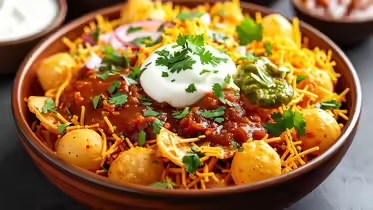
Popular snacks like samosas, pakoras, and puris are deep-fried in oil.
- High in trans fats
- Increase bad cholesterol
- Low in nutritional value
Frequent consumption can significantly impact heart health.
Ghee and Butter-Rich Dishes
Foods cooked with excessive ghee or butter are common in Indian households.
- High in saturated fats
- Can raise LDL cholesterol levels
- Often used in dals, parathas, and curries
While small amounts are fine, overuse can be harmful.
Sweets and Desserts
Indian sweets like laddoos, barfi, and halwa are loaded with sugar and fats.
- High calorie content
- Increase triglycerides and cholesterol
- Contribute to weight gain
Regular consumption can worsen cholesterol levels over time.
Refined Carbohydrates
Foods made with maida (refined flour) such as white bread, biscuits, and bakery items can also affect cholesterol.
- Lower good cholesterol (HDL)
- Increase bad cholesterol (LDL)
- Cause blood sugar spikes
Also read: Navratri Fasting Foods
Processed and Packaged Foods
Even traditional snacks now come in packaged forms. These often contain:
- Preservatives
- Hidden fats
- Excess sodium
They can negatively impact both cholesterol and overall health.
What You Can Do to Control Cholesterol
Making small changes in your diet can have a big impact on your cholesterol levels.
Choose Healthy Cooking Methods
- Switch to grilling, steaming, or baking
- Reduce deep frying
- Use healthier oils in limited amounts
Increase Fiber Intake
Foods rich in fiber help lower cholesterol:
- Whole grains
- Fruits and vegetables
- Oats and legumes
Limit Ghee and Sugar
- Use ghee in moderation
- Reduce intake of sweets and desserts
Stay Physically Active
Regular exercise helps increase good cholesterol (HDL) and improve heart health.
Important Links
| Description | Link |
|---|---|
| Heart Health Guidelines | https://www.who.int |
| Cholesterol Information | https://www.nhs.uk |
| Nutrition Tips India | https://www.fssai.gov.in |
| Healthy Diet Advice | https://www.healthline.com |
FAQs About Think Your Diet Is Healthy
1. Can traditional Indian food increase cholesterol?
Yes, especially foods high in oil, ghee, and sugar can raise cholesterol levels if consumed frequently.
2. Is ghee bad for cholesterol?
Ghee is not harmful in small amounts, but excess consumption can increase LDL cholesterol.
3. What is the best way to control cholesterol naturally?
A balanced diet, regular exercise, and reducing fried and processed foods can help manage cholesterol.